Blog

  • Peptide Expiry and Storage: How Long Do Reconstituted Peptides Really Last?

    Peptide Expiry and Storage: How Long Do Reconstituted Peptides Really Last?

    You have invested in high-quality research tools to unlock your biological potential. You have the vials, you have the goal, and you have the plan. But there is a silent ticking clock that begins the moment you pierce that rubber stopper.

    Managing peptides is a lot like running a high-end construction site. The lyophilized powder is your raw material: like dry cement bags stacked in a warehouse. As long as they stay dry and cool, they can sit there for months, even years. But once you add water, the "cement" begins to set. You have a finite window of time to use that material before it loses its structural integrity and becomes useless: or worse, a safety hazard.

    In this guide, you will learn the exact science of peptide shelf life, the critical difference between mixing mediums, and how to ensure your BPC-157 or MOTS-c remains potent from the first draw to the last.

    The Two States: Lyophilized vs. Reconstituted

    Before we discuss expiration, we must define the state of your peptide.

    1. Lyophilized (Freeze-Dried) Powder: This is how your peptides arrive from wlaustralia. Through a process called lyophilization, water is removed under a vacuum, leaving behind a stable "puck" of protein. In this state, the peptide is like a hibernating bear: its metabolic activity is near zero.
    2. Reconstituted (Liquid) Solution: Once you introduce a diluent, the peptide "wakes up." It is now vulnerable to heat, light, and bacterial contamination. This is where the clock starts.

    Pro Tip: Always store your unmixed, lyophilized vials in the freezer (around -20°C) for long-term storage of 12–24 months. If you plan to use them within a few weeks, the refrigerator (2–8°C) is sufficient.

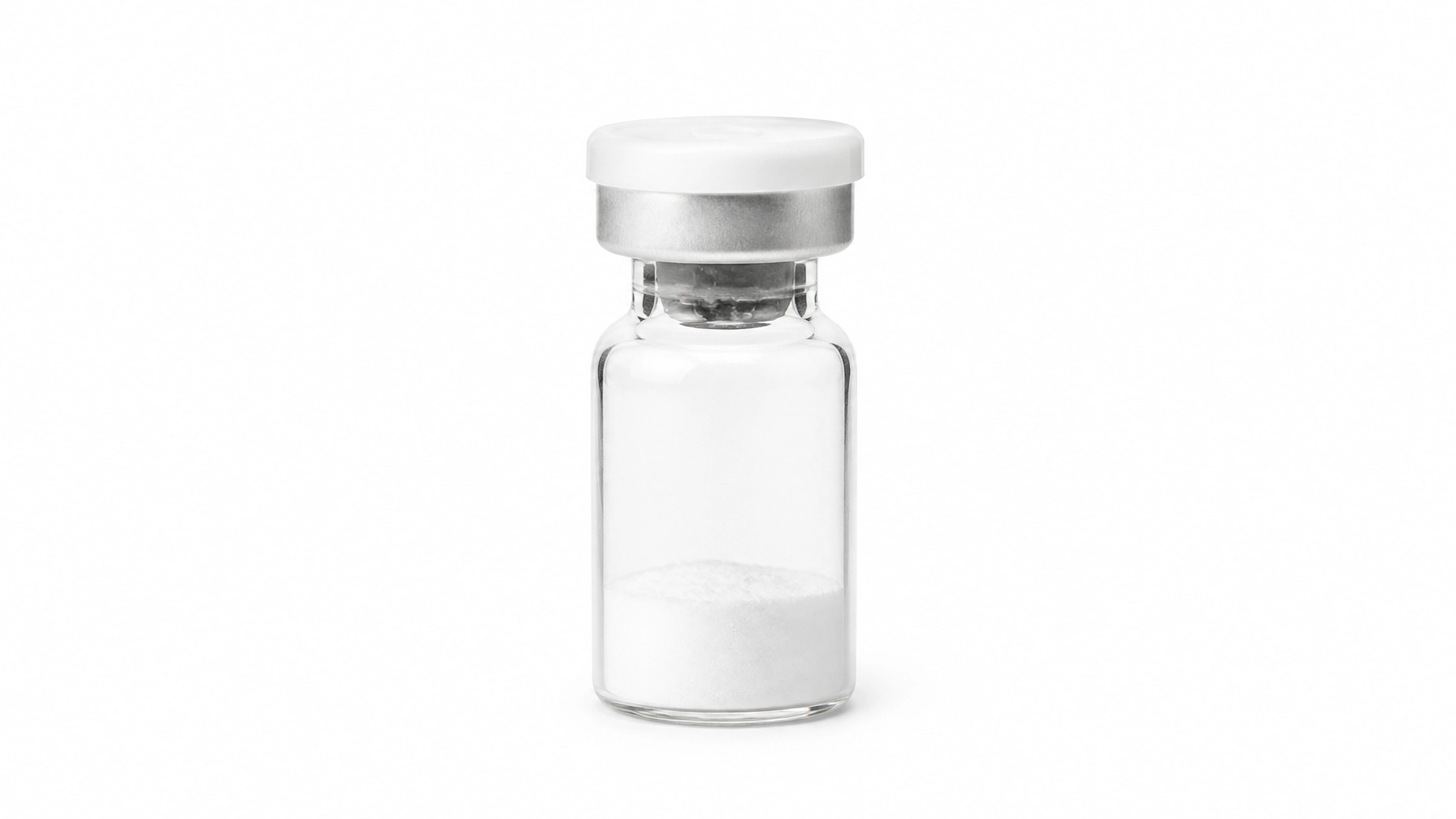
    A side-by-side comparison of a sealed vial containing a white lyophilized peptide puck and a vial containing a clear reconstituted liquid solution. Both sit on a sterile white surface with sharp, clinical lighting.

    The Mixing Medium: BAC Water vs. Sterile Water

    The most common frustration for researchers is a solution that "goes bad" before the vial is empty. The culprit is often the choice of water.

    Bacteriostatic (BAC) Water: The Security Guard

    Consider BAC water the "security guard" of your vial. It contains 0.9% benzyl alcohol, which acts as a preservative to inhibit the growth of bacteria.

    • Shelf Life: Approximately 28–30 days when refrigerated.
    • Usage: Ideal for multi-dose vials where you will be drawing solution over several weeks.

    Sterile Water: The One-Hit Wonder

    Sterile water is exactly what it says: pure and sterile, but with no preservative.

    • Shelf Life: 24–48 hours (maximum 72 hours) when refrigerated.
    • Usage: Only for single-use applications. Once the seal is broken, any microscopic bacteria introduced by the needle will multiply rapidly because there is no benzyl alcohol to stop them.

    The Strategy: Always use BAC water for peptides like Vilon or Epitalon if your research protocol spans more than two days.

    Temperature Control: The "Goldilocks Zone"

    Peptides are delicate chains of amino acids held together by fragile bonds: think of them like a complex "zipper." If the environment gets too hot, the zipper teeth warp and the "jacket" (the peptide's function) can no longer close.

    • The Refrigerator (2–8°C): This is the mandatory home for all reconstituted peptides. This temperature slows down the natural chemical degradation and keeps the benzyl alcohol effective.
    • The "Never Freeze" Rule: While you can freeze the dry powder, never freeze a reconstituted peptide. Expanding ice crystals act like microscopic jagged knives, shredding the delicate peptide chains and rendering the solution useless.

    Video: How to Properly Store and Handle Peptides

    (Note: For visual learners, watch a demonstration on how to safely store vials in a domestic refrigerator to avoid "hot spots" near the door.)

    [Placeholder for Video 1: Peptide Storage Best Practices]

    Peptide Personalities: BPC-157 vs. MOTS-c

    Not all peptides are created equal. Some are "tanks" that can handle a bit of stress, while others are "glass figurines."

    • BPC-157 (The Sturdy Survivor): BPC-157 is remarkably stable. Research suggests it can maintain significant potency for up to 4–6 weeks in BAC water if kept refrigerated and away from light. It is the "workhorse" of the peptide world.
    • MOTS-c (The Fragile Specialist): MOTS-c is a mitochondrial-derived peptide and is significantly more sensitive. It is best used within 14–21 days of reconstitution. If you notice its effectiveness tapering off toward the end of a month, it is likely due to degradation.
    Peptide Preferred Storage Max Life (Reconstituted) Stability Rating
    BPC-157 Fridge (2–8°C) 28–35 Days High
    Epitalon Fridge (2–8°C) 28 Days Moderate
    MOTS-c Fridge (2–8°C) 14–21 Days Low
    Semag/Ret Fridge (2–8°C) 30 Days Moderate

    An organized shelf inside a clean medical-grade refrigerator showing labeled peptide vials stored in an opaque container to protect them from light. Professional photography style with clear details.

    Light Sensitivity: The Invisible Enemy

    UV light is a high-energy intruder that can break peptide bonds through photo-oxidation. Even the light from your kitchen or a fridge bulb can take a toll over 30 days.

    The Solution:

    1. Store vials in the original box they came in.
    2. If the box is gone, wrap the vial in aluminum foil or place it in an opaque "shaker cup" or container in the back of the fridge.
    3. Avoid the fridge door! The constant light exposure and temperature fluctuations every time you grab the milk will degrade your peptides faster.

    Troubleshooting: When to Toss It

    Safety is your primary responsibility as a researcher. If your solution shows any of the following signs, it has "spoiled," and the "construction project" must be halted immediately.

    • Cloudiness (Turbidity): If a once-clear solution looks like watered-down milk, bacteria have likely moved in. Toss it.
    • Discoloration: Peptides should be clear. Any yellowing or tinting indicates heavy oxidation.
    • Particulates: If you see tiny "snowflakes" or floaties, the peptide has "crashed" out of the solution or is contaminated.
    • The 30-Day Rule: Even if it looks clear, if it’s been 35 days since you added the BAC water, the potency is likely compromised. In Australia’s warmer climate, being conservative with these timelines is a mark of a professional.

    A close-up shot of two vials side-by-side; one contains a perfectly clear solution and the other contains a cloudy, degraded solution. White background, high-contrast realistic photography.

    The Maintenance Action Plan

    To "unlock" the full potential of your biology, you must be meticulous with your maintenance. Follow this three-step protocol for every new vial:

    1. Label Immediately: Use a fine-point permanent marker. Write the Date of Reconstitution and the Concentration (mg/mL) on the vial or a small piece of tape. Do not rely on your memory.
    2. The Aliquot Strategy: If you have a massive 50mg vial of Epitalon but only need a tiny amount daily, consider reconstituting and then drawing the doses into individual syringes. These "pre-filled" syringes can be kept in the fridge (with the needle capped!). This minimizes the number of times you pierce the main vial, reducing contamination risk.
    3. Gentle Reconstitution: When adding water, let it dribble down the side of the glass. Never spray it directly onto the powder (it’s like hitting a sandcastle with a pressure washer). Swirl gently; never shake.

    Video: The Correct Way to Reconstitute Peptides

    (Note: Watch this to see the "drip-feed" method of adding BAC water to ensure the peptide structure remains intact.)

    [Placeholder for Video 2: Reconstitution Technique and Labeling]

    Conclusion: Take Control of Your Biology

    Understanding peptide expiry isn't just about saving money; it’s about ensuring the synergy and recovery you are working toward are actually supported by active, potent compounds. By treating your fridge as a high-tech vault and your BAC water as a essential security measure, you ground your research in safety and professional-grade maintenance.

    Ready to start your next cycle with fresh, high-stability research tools? Explore our full range of muscle growth and nootropic peptides today.
  • GLP-1 Side Effects Survival Guide: BPC-157, KPV, and Organ Guard for Nausea and Liver Support

    GLP-1 Side Effects Survival Guide: BPC-157, KPV, and Organ Guard for Nausea and Liver Support

    You have likely heard the success stories: the "weight loss magic" of GLP-1 receptor agonists like Semaglutide or Tirzepatide. But for many, the journey isn't just about watching the numbers on the scale drop; it’s about surviving the "engine smoke" that comes with a revved-up metabolic system.

    When you start a GLP-1 protocol, you are essentially upgrading your body's metabolic engine. However, like any high-performance upgrade, there can be exhaust issues: nausea, gastrointestinal (GI) distress, and a heavy load on your internal filtration systems.

    In this guide, you will learn how to troubleshoot these biological bottlenecks. We will explore how to use BPC-157, KPV, and Organ Guard to stabilize your "internal construction site," extinguish gut inflammation, and keep your liver running smoothly while you achieve your transformation goals.


    Problem 1: The Gastric "Traffic Jam" (Nausea & GI Distress)

    The most common frustration with GLP-1 medications is nausea. To understand why this happens, consider your digestive system as a zipper.

    GLP-1s work by slowing down "gastric emptying." In simple terms, they pull the zipper shut, keeping food in your stomach longer so you feel full. However, if the food stays too long or the "zipper" gets stuck, you experience a traffic jam. This backlog leads to that familiar, persistent nausea and bloating.

    The Solution: BPC-157 (The Maintenance Crew)

    Think of BPC-157 as a specialized construction crew sent in to repair the road while the traffic is heavy. BPC-157 (Body Protection Compound) is a peptide derived from human gastric juice. Its primary role is "cytoprotection": it protects and heals the lining of the stomach and intestines.

    How it works for you:

    • Angiogenesis: It promotes the formation of new blood vessels, bringing fresh "supplies" (nutrients and oxygen) to damaged gut tissue.
    • Nitric Oxide Regulation: It helps balance the blood flow in the GI tract, which can soothe the irritation caused by slowed digestion.
    • Tight Junction Support: It reinforces the "seals" in your gut wall, preventing unwanted particles from leaking into your bloodstream (leaky gut).

    The Strategy:
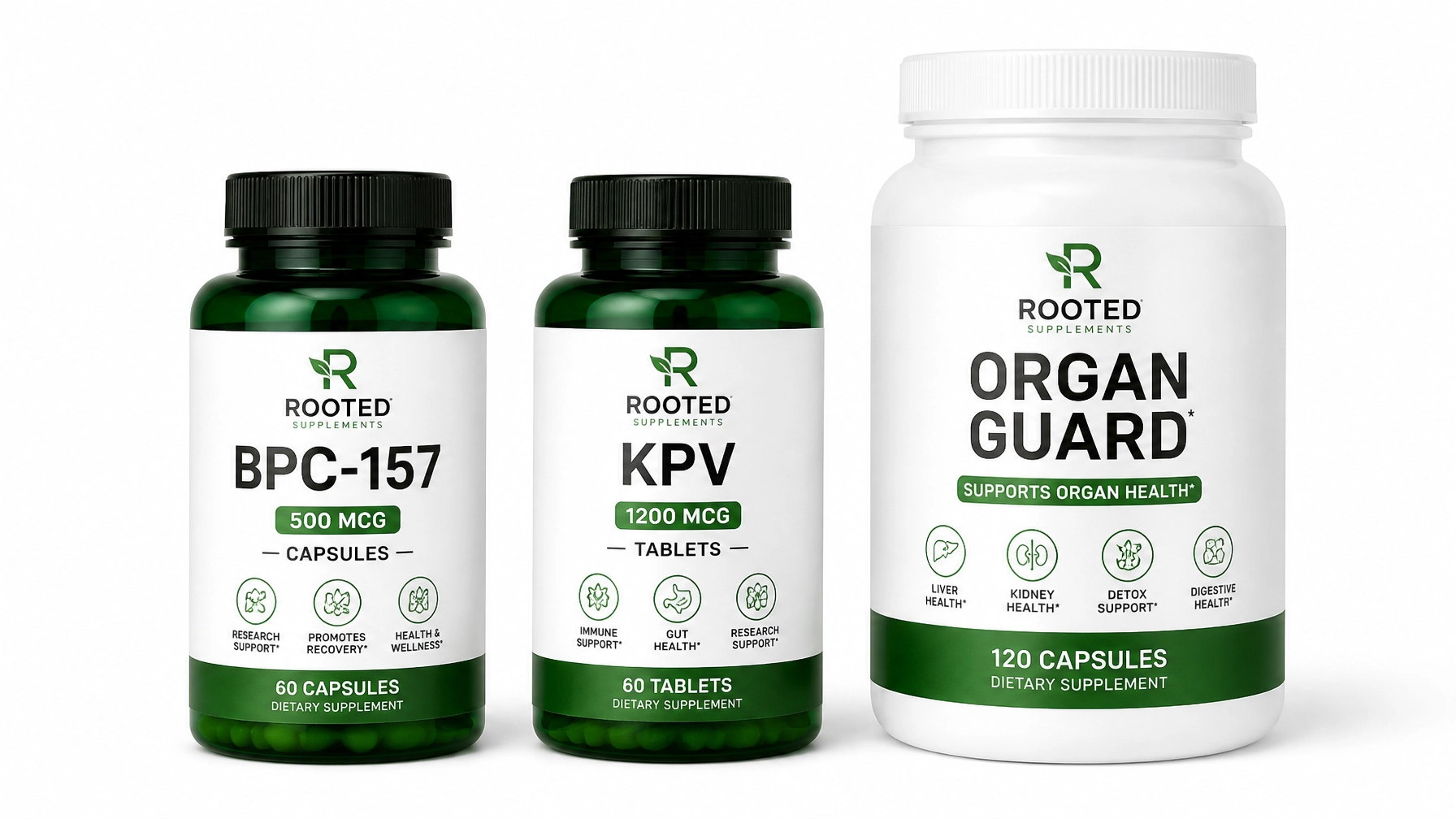
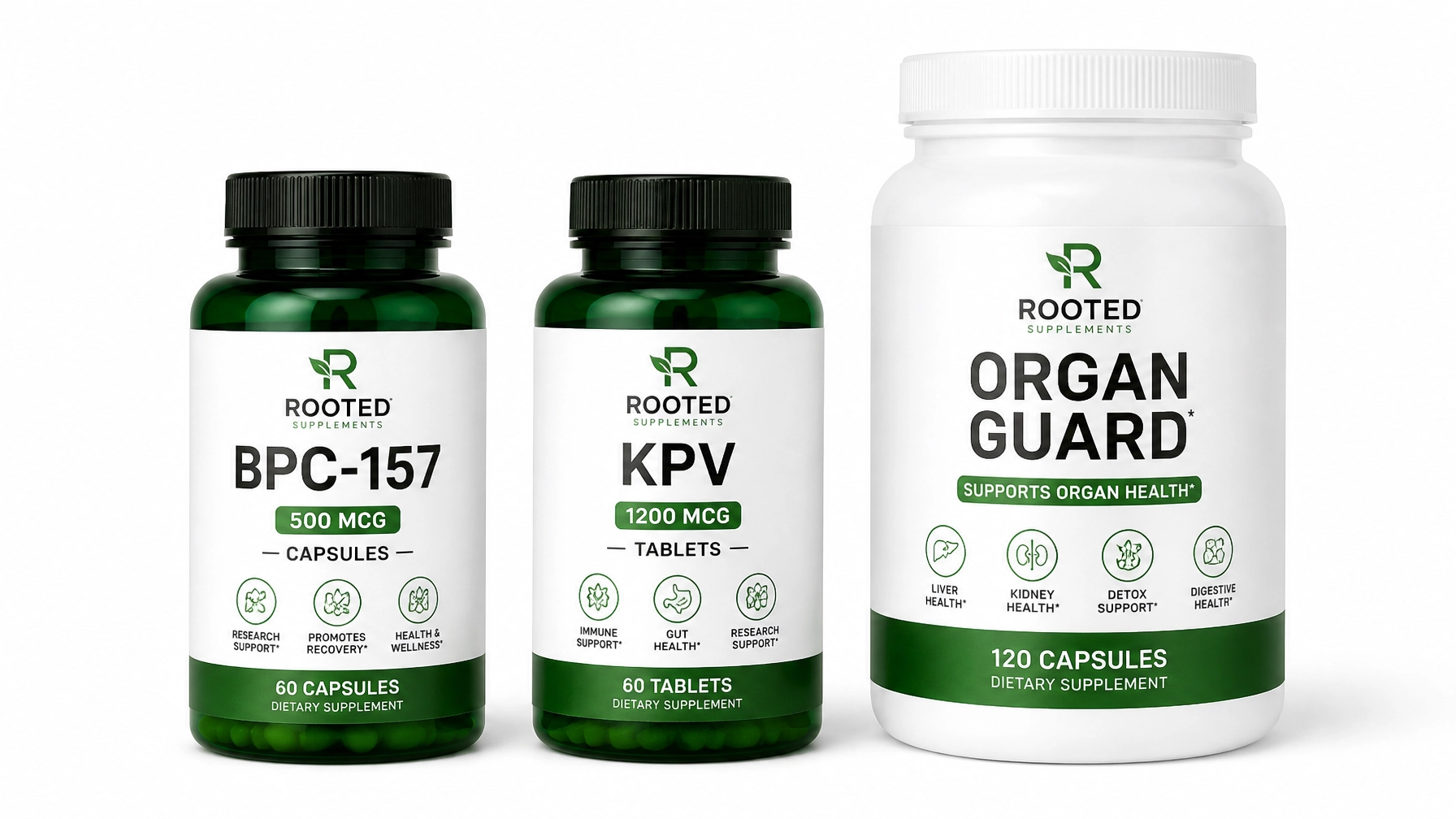
    Consider adding BPC-157 500mcg Capsules to your daily regimen. At $135 for a 100-count bottle, it is a foundational investment in your comfort. By healing the gut lining, you reduce the systemic "alarm bells" that cause nausea.

    A single BPC-157 capsule on a pristine white surface, representing purity and clinical precision.


    Problem 2: The "Fire" in the Gut (Chronic Inflammation)

    Sometimes, the slow-down caused by GLP-1s doesn't just cause nausea; it triggers an inflammatory response. Your body senses the change in pace and reacts as if there is a problem, leading to "fire" in the form of IBS-like symptoms, cramping, or general GI discomfort.

    The Solution: KPV (The Fire Extinguisher)

    If BPC-157 is the repair crew, KPV (Lys-Pro-Val) is the fire extinguisher. KPV is a potent anti-inflammatory peptide that works directly on the immune cells in your gut.

    Focus on these benefits:

    • Inhibiting NF-κB: This is a fancy way of saying KPV turns off the master switch for inflammation in your cells.
    • Antimicrobial Properties: It helps maintain a healthy balance of gut bacteria, which can be disrupted when food sits in the stomach longer.
    • Rapid Relief: Because it targets inflammation at the source, many users find it reduces that "heavy" or "inflamed" feeling within days.

    The Strategy:
    For targeted GI support, KPV Tablets (500mcg x 60) are available for $130. This peptide is particularly effective when you feel your digestion has become "angry" or over-reactive to your GLP-1 dosage.

    Small, clinical KPV tablets in a glass cup, highlighting the simple and direct approach to anti-inflammatory support.


    Problem 3: The Filter Overload (Liver & Organ Stress)

    Your liver is your body’s oil filter. When you lose weight rapidly: which is often the goal with GLP-1s: your body is breaking down fat cells at an accelerated rate. These fat cells store toxins and metabolic waste. As the fat melts away, all that "sludge" is dumped into your bloodstream and sent straight to the liver for processing.

    Rapid weight loss can also change the dynamics of your gallbladder, increasing the risk of "sludge" or stones. If your filter (liver) gets clogged, you feel fatigued, sluggish, and your weight loss might even plateau.

    The Solution: Organ Guard (The Maintenance Kit)

    To keep your filter clean, you need more than just peptides; you need a comprehensive "maintenance kit." Organ Guard is designed to provide the raw materials your liver and kidneys need to process the increased metabolic load.

    Key Components for GLP-1 Users:

    • Liver Support (TUDCA/Milk Thistle/NAC): These ingredients act as "solvents," helping to thin the bile and flush out toxins, preventing the "clogged filter" syndrome.
    • Kidney Protection: Increased protein breakdown and rapid fat loss can stress the kidneys. Organ Guard includes botanicals that support healthy filtration.
    • Cardiovascular Integrity: Fast weight loss can sometimes impact heart rate or blood pressure; supporting the whole "organ system" ensures your transformation is safe.

    The Strategy:
    Use Organ Guard (210 Caps) as your daily insurance policy. It grounds your advanced peptide use in a sense of responsibility, ensuring that as you lose the weight, you aren't leaving your internal organs behind in the dust.

    Organ Guard bottle with capsules spilled out, showcasing the comprehensive support for liver and organ health.


    The "Synergy" Protocol: Stacking for Success

    In the world of biology, synergy is when 1+1 equals 3. While each of these products works well on its own, combining them creates a comprehensive shield against side effects.

    Product Role Primary Benefit
    BPC-157 Repair Crew Heals gut lining; stops nausea.
    KPV Fire Extinguisher Quenches GI inflammation; stops cramping.
    Organ Guard Filter Maintenance Supports liver/kidney during rapid fat loss.

    How to Implement:

    1. Morning: Take 1 capsule of Organ Guard and 1 tablet of KPV to set your "anti-inflammatory" baseline for the day.
    2. Evening: Take 1-2 capsules of BPC-157 (500mcg) to support tissue repair while you sleep.
    3. Throughout: If you are in a dose-escalation phase of your GLP-1, pay extra attention to hydration.

    Video Resource: Managing the Metabolic Shift

    To further demystify these processes, consider these deep-dives into how peptides interact with your weight loss journey.

    Video 1: The Science of BPC-157 and Gut Healing
    This video explains the molecular mechanism of how BPC-157 repairs the gastric mucosa.

    Video 2: Liver Health During Rapid Weight Loss
    Understand why your liver enzymes might spike during a diet and how to mitigate it.


    Safety and Regional Context

    At wlaustralia, we prioritize your safety. It is essential to remember that while these tools are powerful for "unlocking" your biological potential, they should be used under professional oversight.

    In the Australian climate, dehydration is a significant risk when dealing with GI side effects. If your nausea leads to an inability to keep fluids down, pause your protocol and consult a medical professional immediately. Always ensure your peptides are sourced from reputable providers to guarantee purity: especially in a market as specialized as ours in Sydney and beyond.

    Take Control of Your Biology

    Don't let side effects derail your progress. By framing your weight loss not just as "eating less," but as a biological optimization project, you position yourself for long-term success.

    Ready to build your survival kit?

    Your body is a high-performance machine. Give it the maintenance it deserves.


  • Weight Loss Plateaus: How to Break Through with BAM-15, SLU-PP-332, and AOD 9604

    Weight Loss Plateaus: How to Break Through with BAM-15, SLU-PP-332, and AOD 9604

    You have hit the "Wall."

    You’ve been disciplined with your GLP-1 protocol (whether it’s Semaglutide or Tirzepatide), the scales were moving every week, and then: silence. For three weeks, the numbers haven't budged. This is the weight loss plateau, a biological stalemate where your body’s metabolic defense mechanisms have finally caught up to your caloric deficit.

    Consider your metabolism like a modern car engine. GLP-1 agonists are incredible fuel injectors; they regulate how much fuel (food) enters the system and manage the exhaust (insulin). But sometimes, the engine reaches a thermal limit or a mechanical cap. To go faster, you don't just need better fuel management; you need to upgrade the engine's cooling system, increase its displacement, and trim the excess weight from the chassis.

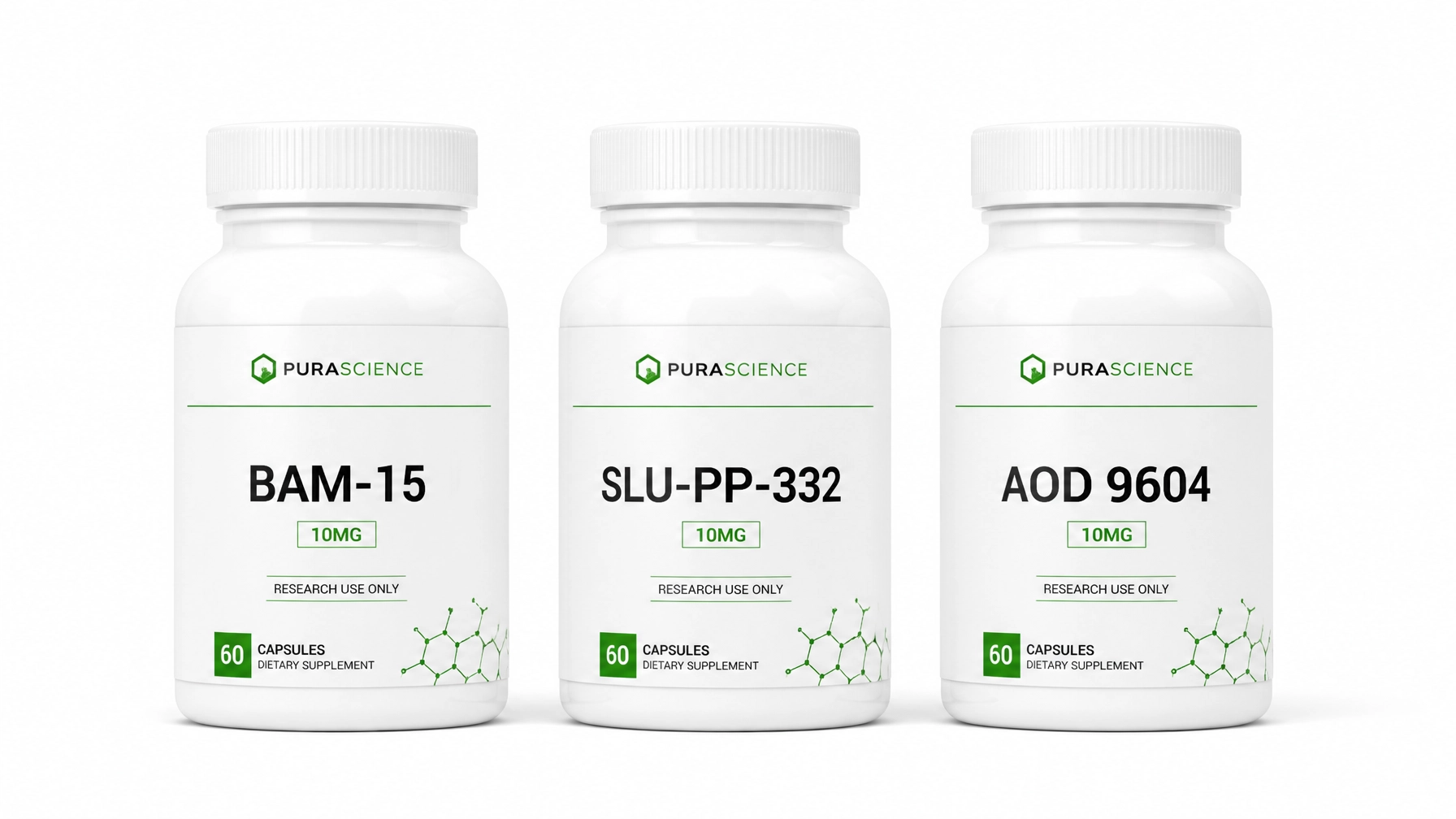
    In this guide, you will learn how to deploy a precision "Triple Threat" stack: BAM-15, SLU-PP-332, and AOD 9604: to bypass the limitations of GLP-1 therapy and shatter your weight loss plateau.

    The Problem: Why GLP-1s Stop Working

    When you use a GLP-1 agonist, you are primarily targeting appetite and insulin sensitivity. However, the human body is a master of adaptation. As you lose weight, your Basal Metabolic Rate (BMR) often drops. Your body becomes "too efficient," burning fewer calories to perform the same tasks. It’s like a construction site where the workers have decided to move slower because there’s less raw material arriving.

    To break the plateau, we must shift the focus from input regulation (eating less) to output optimization (burning more).

    1. BAM-15: The Mitochondrial Engine Cooler

    BAM-15 (20mg x 60) is what we call a mitochondrial uncoupler. To understand this, imagine your mitochondria as a hydroelectric dam. Normally, water (protons) flows through a turbine (ATP synthase) to create electricity (ATP/energy). This is a highly efficient "coupled" process.

    BAM-15 essentially pokes tiny, controlled holes in that dam. The water still flows, but it bypasses the turbine. Because the "electricity" isn't being generated efficiently, the cell panics and opens the floodgates, burning significantly more fuel (fat and glucose) just to keep the lights on.

    Why it works for plateaus:

    • Non-Stimulant Energy Expenditure: Unlike caffeine or ephedrine, BAM-15 doesn't crank up your heart rate or make you jittery. It works at the cellular level.
    • Mitochondrial Efficiency: It forces your body to be "wasteful" with energy, which is exactly what you want when your metabolism has slowed down.
    • Liver Support: Research suggests BAM-15 may help reduce liver fat, a common hurdle in metabolic stalls.

    Price: BAM-15 20mg x 60 – $180


    2. SLU-PP-332: The Virtual Treadmill

    If BAM-15 is the hardware hack, SLU-PP-332 is the software update. Known as an ERR (Estrogen-Related Receptor) agonist, it acts as an exercise mimetic.

    Think of SLU-PP-332 as a "Virtual Treadmill" for your cells. It sends a signal to your muscles and metabolic tissues that you are performing high-intensity aerobic exercise, even when you are at rest. It flips the switch on gene programs that increase mitochondrial biogenesis: essentially building more "engines" in your cells.

    Why it works for plateaus:

    • Fatty Acid Oxidation: It instructs the body to prefer fat as its primary fuel source.
    • Endurance Enhancement: It increases the oxidative capacity of your muscles, making your actual workouts even more effective.
    • Synergy with GLP-1s: While GLP-1s handle the hunger, SLU-PP-332 handles the "burning" infrastructure.

    Explore the range: Metabolic Modulators at WL Australia

    3. AOD 9604: The Fat Scissor

    While the first two compounds focus on the "engine," AOD 9604 (5mg) focuses on the "cargo." AOD 9604 is a peptide fragment of the Human Growth Hormone (HGH) molecule (specifically residues 176-191).

    In the world of biochemistry, AOD 9604 acts like a pair of Fat Scissors. It stimulates lipolysis (the breakdown of fat) and inhibits lipogenesis (the transformation of non-fatty foods into body fat). Unlike full-spectrum HGH, AOD 9604 does not affect blood sugar or cause growth in non-target tissues, making it a surgical tool for fat loss.

    Why it works for plateaus:

    • Targeted Action: It specifically targets stubborn adipose tissue (the fat that won't leave).
    • Safety Profile: It has an excellent safety record in clinical trials, showing no adverse effect on insulin sensitivity: a major plus for those already on GLP-1 protocols.
    • The Final Polish: It helps lean out the physique once the "heavy lifting" of weight loss has been done by other agents.

    Price: AOD 9604 5mg – $85


    The "Triple Threat" Stack Strategy

    When your weight loss stalls, you don't necessarily need more GLP-1. You might just need a different angle of attack. Here is how these three work in synergy:

    Compound Role Analogy
    BAM-15 Mitochondrial Uncoupler The Engine Cooler (Wastes heat, burns fuel)
    SLU-PP-332 ERR Agonist The Virtual Treadmill (Tells cells to "run")
    AOD 9604 HGH Fragment The Fat Scissor (Cuts fat for fuel)

    Implementation Guide:

    1. Foundational Phase: Continue your current GLP-1 dosage as prescribed. Read our GLP-1 Powerhouse Showdown to ensure you are using the right primary agent (Tirzepatide vs Retatrutide).
    2. The Metabolic Spark: Introduce BAM-15 in the morning to elevate your BMR throughout the day.
    3. The Fat Flux: Use AOD 9604 in a fasted state (ideally before morning cardio) to maximize the "scissors" effect.
    4. The Structural Shift: Incorporate SLU-PP-332 to ensure your muscle tissue is primed for fat oxidation.

    Safety and Regional Responsibility

    In Australia, the landscape for advanced metabolic supplements is strictly regulated. While these compounds offer exciting potential for "unlocking" your biology, they must be approached with a sense of responsibility.

    Focus on oversight. Always consult with a healthcare professional before combining experimental compounds, especially if you have underlying cardiovascular or metabolic conditions. Our products at WL Australia are sourced with the highest purity standards to ensure that your journey toward optimization is as safe as it is effective.

    Weight loss is not a straight line; it is a series of peaks and valleys. When you find yourself stuck in a valley, don't just wait for the weather to change. Use the right tools to climb out.

    Ready to break the plateau?
    Shop the Weight Loss Collection at WL Australia

  • Super GLP Blend: Why Retatrutide + Tirzepatide Combine for Triple-Agonist Power

    Super GLP Blend: Why Retatrutide + Tirzepatide Combine for Triple-Agonist Power

    If you have been navigating the world of metabolic optimization for any length of time, you likely know the name Tirzepatide. It has been the gold standard for weight management, acting as a dual-agonist that mimics two of the body's primary "fullness" hormones. But for many, even the strongest dual-agonist can eventually hit a plateau: a biological ceiling where the body's natural defenses against weight loss kick in.

    Enter the Super GLP Blend.

    By combining Tirzepatide with the next-generation triple-agonist Retatrutide, this formulation moves beyond simple appetite suppression. It targets three distinct metabolic pathways simultaneously. Consider this your master key to biological optimization, designed to unlock progress when your metabolism feels like it’s stuck in low gear.

    The Problem: The "Dual Agonist" Ceiling

    Most weight loss journeys encounter a "frustration phase." You focus on your macros, you maintain your movement, and you utilize a high-quality GLP-1 or dual GIP/GLP-1 agonist, yet the scale stops moving.

    The reason? Your body is a survival machine. When you reduce calories, your metabolism often slows down to compensate: a process known as adaptive thermogenesis. A dual agonist like Tirzepatide 40mg is fantastic at turning down the "hunger signal" in your brain, but it doesn't always address the "burning efficiency" of your internal furnace.

    The Solution: Triple-Agonist Synergy

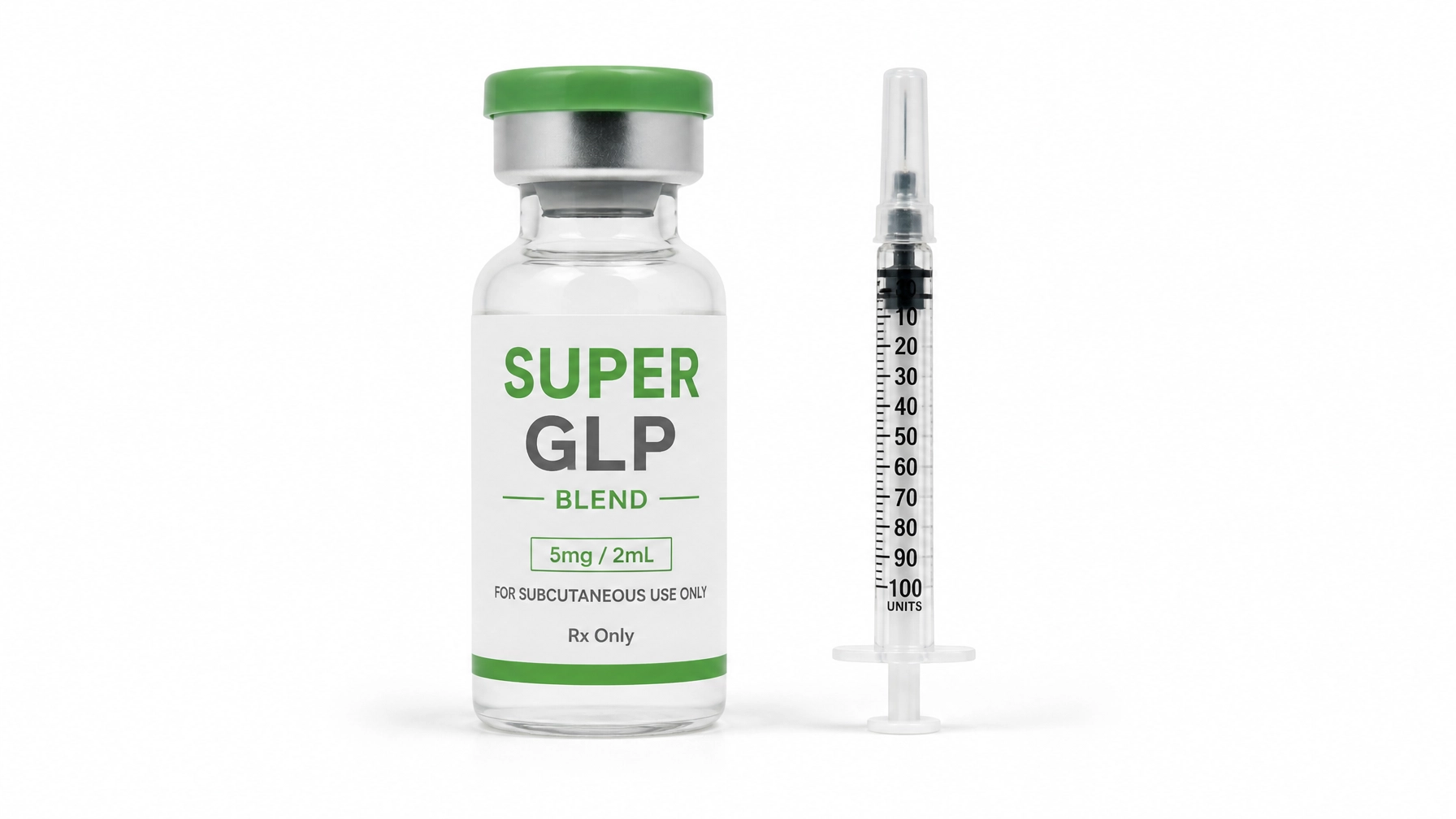
    The Super GLP Blend ($350) is engineered to bypass this plateau. It combines 20mg of Retatrutide with 40mg of Tirzepatide to create a "Triple Threat" profile.

    To understand why this is so effective, we need to look at the three levers of metabolism:

    1. GLP-1 (Glucagon-Like Peptide-1): Think of this as your brain's volume knob for hunger. It tells your stomach to empty slower and your brain that you are satisfied.
    2. GIP (Glucose-Dependent Insulinotropic Polypeptide): This is the fuel efficiency expert. It improves how your body handles sugar and helps your fat cells behave more predictably.
    3. Glucagon: This is the turbocharger. While the first two focus on intake, Glucagon focuses on output. It signals the liver to burn stored fat and increases your resting energy expenditure.

    How They Work Together: The Car Engine Analogy

    Imagine your metabolism is a car engine.

    • GLP-1 acts as the cruise control, keeping your fuel usage steady and preventing you from over-accelerating (overeating).
    • GIP is the high-performance transmission, ensuring that every drop of fuel is used with maximum efficiency.
    • Glucagon (the unique element in Retatrutide) is the turbocharger. It forces the engine to burn more fuel even when the car is idling.

    While Retatrutide 20mg provides that necessary "burn," the inclusion of Tirzepatide ensures the appetite suppression remains rock-solid and the transition is smooth.

    The Science of the Stack: Dual vs. Triple Agonists

    Feature Tirzepatide (Dual) Retatrutide (Triple) Super GLP Blend (Synergy)
    Receptor Targets GLP-1, GIP GLP-1, GIP, Glucagon Triple-Agonist Saturation
    Main Mechanism Appetite & Insulin Appetite & Energy Burn Max Suppression + Max Burn
    Weight Loss Potential High (~20-22%) Very High (~28%+) Optimized for Plateaus
    Primary Benefit Glycemic Control Fat Oxidation/Thermogenesis Comprehensive Metabolic Reset

    Video Breakdown: The Triple Agonist Mechanism

    To get a deeper look at the clinical data comparing these two powerhouses, watch the scientific explanation below:

    https://www.youtube.com/watch?v=R2_V_fGk0uY

    Why the Super GLP Blend?

    You might wonder why you wouldn't just use Retatrutide on its own. While Retatrutide is exceptionally powerful, many researchers find that the "synergy" of combining it with Tirzepatide allows for a more balanced side-effect profile.

    The glucagon component of Retatrutide can sometimes increase heart rate or metabolic heat. By blending it with Tirzepatide, you are leveraging the established safety and potent satiety of the dual-agonist while "sprinkling in" the aggressive fat-burning power of the triple-agonist.

    Focus on this: This isn't just about losing more weight; it's about losing it smarter. You are attacking the problem from both the "Intake" side (appetite) and the "Expenditure" side (metabolism).

    Visualizing the Metabolic "Burn"

    Abstract clinical diagram showing three glowing metabolic pathways converging on a human cell, realistic style, white background

    Implementation: Safety and Maintenance

    When you step up to a triple-agonist power level, you must act as an authoritative steward of your own biology. High-performance tools require high-performance maintenance.

    • Titrate Slowly: Never jump into the deep end. Start with a foundational dose to let your body’s "sensors" adjust to the new glucagon signaling.
    • Liver Support: Because Retatrutide is highly effective at mobilizing liver fat, ensure you are utilizing an Organ Guard or similar protective protocol to assist in processing these released lipids.
    • Hydration is Non-Negotiable: Increased thermogenesis means your body will use more water. Think of it as the coolant for your high-performance engine.

    Learning the Technique: Proper Administration

    If you are new to research peptides, understanding the correct administration is vital for safety and efficacy.

    https://www.youtube.com/watch?v=0_u_mC_l00k

    Practical Safety: Grounding the Speculation

    While the data on triple-agonists is incredibly optimistic, we must maintain a professional sense of responsibility. Retatrutide and Tirzepatide are potent research chemicals. In the Australian context, these should be approached with clinical oversight and a clear understanding of local regulations.

    Always monitor your "vital signs": specifically heart rate and gastrointestinal comfort. If you experience persistent nausea, it is a signal from your biology to slow down and recalibrate.

    Conclusion: Take Control of Your Biology

    The era of "one-size-fits-all" weight loss is over. You now have the ability to move from basic appetite suppression to a full-scale metabolic optimization. By utilizing the Super GLP Blend, you are no longer just pushing against a plateau: you are dismantling it.

    Consider this blend the "Triple Threat" in your arsenal. It is time to unlock your potential and take charge of your metabolic future.

    Are you ready to break through?


  • GLP-1 Side Effects Survival Guide: BPC-157, KPV, and Organ Guard for Nausea and Liver Support

    GLP-1 Side Effects Survival Guide: BPC-157, KPV, and Organ Guard for Nausea and Liver Support

    You have likely heard the success stories: the "weight loss magic" of GLP-1 receptor agonists like Semaglutide or Tirzepatide. But for many, the journey isn't just about watching the numbers on the scale drop; it’s about surviving the "engine smoke" that comes with a revved-up metabolic system.

    When you start a GLP-1 protocol, you are essentially upgrading your body's metabolic engine. However, like any high-performance upgrade, there can be exhaust issues: nausea, gastrointestinal (GI) distress, and a heavy load on your internal filtration systems.

    In this guide, you will learn how to troubleshoot these biological bottlenecks. We will explore how to use BPC-157, KPV, and Organ Guard to stabilize your "internal construction site," extinguish gut inflammation, and keep your liver running smoothly while you achieve your transformation goals.


    Problem 1: The Gastric "Traffic Jam" (Nausea & GI Distress)

    The most common frustration with GLP-1 medications is nausea. To understand why this happens, consider your digestive system as a zipper.

    GLP-1s work by slowing down "gastric emptying." In simple terms, they pull the zipper shut, keeping food in your stomach longer so you feel full. However, if the food stays too long or the "zipper" gets stuck, you experience a traffic jam. This backlog leads to that familiar, persistent nausea and bloating.

    The Solution: BPC-157 (The Maintenance Crew)

    Think of BPC-157 as a specialized construction crew sent in to repair the road while the traffic is heavy. BPC-157 (Body Protection Compound) is a peptide derived from human gastric juice. Its primary role is "cytoprotection": it protects and heals the lining of the stomach and intestines.

    How it works for you:

    • Angiogenesis: It promotes the formation of new blood vessels, bringing fresh "supplies" (nutrients and oxygen) to damaged gut tissue.
    • Nitric Oxide Regulation: It helps balance the blood flow in the GI tract, which can soothe the irritation caused by slowed digestion.
    • Tight Junction Support: It reinforces the "seals" in your gut wall, preventing unwanted particles from leaking into your bloodstream (leaky gut).

    The Strategy:
    Consider adding BPC-157 500mcg Capsules to your daily regimen. At $135 for a 100-count bottle, it is a foundational investment in your comfort. By healing the gut lining, you reduce the systemic "alarm bells" that cause nausea.

    A single BPC-157 capsule on a pristine white surface, representing purity and clinical precision.


    Problem 2: The "Fire" in the Gut (Chronic Inflammation)

    Sometimes, the slow-down caused by GLP-1s doesn't just cause nausea; it triggers an inflammatory response. Your body senses the change in pace and reacts as if there is a problem, leading to "fire" in the form of IBS-like symptoms, cramping, or general GI discomfort.

    The Solution: KPV (The Fire Extinguisher)

    If BPC-157 is the repair crew, KPV (Lys-Pro-Val) is the fire extinguisher. KPV is a potent anti-inflammatory peptide that works directly on the immune cells in your gut.

    Focus on these benefits:

    • Inhibiting NF-κB: This is a fancy way of saying KPV turns off the master switch for inflammation in your cells.
    • Antimicrobial Properties: It helps maintain a healthy balance of gut bacteria, which can be disrupted when food sits in the stomach longer.
    • Rapid Relief: Because it targets inflammation at the source, many users find it reduces that "heavy" or "inflamed" feeling within days.

    The Strategy:
    For targeted GI support, KPV Tablets (500mcg x 60) are available for $130. This peptide is particularly effective when you feel your digestion has become "angry" or over-reactive to your GLP-1 dosage.

    Small, clinical KPV tablets in a glass cup, highlighting the simple and direct approach to anti-inflammatory support.


    Problem 3: The Filter Overload (Liver & Organ Stress)

    Your liver is your body’s oil filter. When you lose weight rapidly: which is often the goal with GLP-1s: your body is breaking down fat cells at an accelerated rate. These fat cells store toxins and metabolic waste. As the fat melts away, all that "sludge" is dumped into your bloodstream and sent straight to the liver for processing.

    Rapid weight loss can also change the dynamics of your gallbladder, increasing the risk of "sludge" or stones. If your filter (liver) gets clogged, you feel fatigued, sluggish, and your weight loss might even plateau.

    The Solution: Organ Guard (The Maintenance Kit)

    To keep your filter clean, you need more than just peptides; you need a comprehensive "maintenance kit." Organ Guard is designed to provide the raw materials your liver and kidneys need to process the increased metabolic load.

    Key Components for GLP-1 Users:

    • Liver Support (TUDCA/Milk Thistle/NAC): These ingredients act as "solvents," helping to thin the bile and flush out toxins, preventing the "clogged filter" syndrome.
    • Kidney Protection: Increased protein breakdown and rapid fat loss can stress the kidneys. Organ Guard includes botanicals that support healthy filtration.
    • Cardiovascular Integrity: Fast weight loss can sometimes impact heart rate or blood pressure; supporting the whole "organ system" ensures your transformation is safe.

    The Strategy:
    Use Organ Guard (210 Caps) as your daily insurance policy. It grounds your advanced peptide use in a sense of responsibility, ensuring that as you lose the weight, you aren't leaving your internal organs behind in the dust.

    Organ Guard bottle with capsules spilled out, showcasing the comprehensive support for liver and organ health.


    The "Synergy" Protocol: Stacking for Success

    In the world of biology, synergy is when 1+1 equals 3. While each of these products works well on its own, combining them creates a comprehensive shield against side effects.

    Product Role Primary Benefit
    BPC-157 Repair Crew Heals gut lining; stops nausea.
    KPV Fire Extinguisher Quenches GI inflammation; stops cramping.
    Organ Guard Filter Maintenance Supports liver/kidney during rapid fat loss.

    How to Implement:

    1. Morning: Take 1 capsule of Organ Guard and 1 tablet of KPV to set your "anti-inflammatory" baseline for the day.
    2. Evening: Take 1-2 capsules of BPC-157 (500mcg) to support tissue repair while you sleep.
    3. Throughout: If you are in a dose-escalation phase of your GLP-1, pay extra attention to hydration.

    Video Resource: Managing the Metabolic Shift

    To further demystify these processes, consider these deep-dives into how peptides interact with your weight loss journey.

    Video 1: The Science of BPC-157 and Gut Healing
    This video explains the molecular mechanism of how BPC-157 repairs the gastric mucosa.

    Video 2: Liver Health During Rapid Weight Loss
    Understand why your liver enzymes might spike during a diet and how to mitigate it.


    Safety and Regional Context

    At wlaustralia, we prioritize your safety. It is essential to remember that while these tools are powerful for "unlocking" your biological potential, they should be used under professional oversight.

    In the Australian climate, dehydration is a significant risk when dealing with GI side effects. If your nausea leads to an inability to keep fluids down, pause your protocol and consult a medical professional immediately. Always ensure your peptides are sourced from reputable providers to guarantee purity: especially in a market as specialized as ours in Sydney and beyond.

    Take Control of Your Biology

    Don't let side effects derail your progress. By framing your weight loss not just as "eating less," but as a biological optimization project, you position yourself for long-term success.

    Ready to build your survival kit?

    Your body is a high-performance machine. Give it the maintenance it deserves.


  • The Metabolic Mitochondrial Stack: SS-31, MOTS-C, Humanin, and Methylene Blue

    Note: The hero image above represents the professional, clinical-grade standards of the wlaustralia product range.

    Why Appetite Suppression is Only Half the Battle

    You have probably heard of GLP-1 agonists like Tirzepatide or Semaglutide. They are incredible at silencing "food noise" and reducing the amount of fuel you put into your body. But consider this analogy: if your body is a high-performance vehicle, appetite suppressants are simply the mechanism that controls how much petrol you put in the tank.

    The real question is: How well is your engine burning that fuel?

    If your "engine": the mitochondria inside your cells: is sluggish, outdated, or damaged, it doesn't matter how little fuel you provide. You will still experience weight loss plateaus, brain fog, and chronic fatigue. To truly unlock your biological potential, you must move beyond simple calorie restriction and focus on Mitochondrial Optimization.

    In this guide, you will learn about the Metabolic Mitochondrial Stack: a tiered strategy using SS-31, MOTS-c, Humanin, and Methylene Blue to repair, protect, and "turbocharge" your cellular energy production.


    The Problem: Mitochondrial Decay (The "Dirty Engine")

    As we age or experience metabolic stress, our mitochondria: the microscopic power plants responsible for creating ATP (Adenosine Triphosphate), our primary energy currency: begin to fail.

    Think of it like an old car engine. Over time, the spark plugs get fouled, the gaskets leak, and the exhaust becomes toxic. In biological terms, this manifests as:

    • Reduced ATP production: You feel constantly "drained."
    • Increased ROS (Reactive Oxygen Species): These are biological "exhaust fumes" that damage your DNA.
    • Mitochondrial "Leakage": Your cells become inefficient, burning fuel poorly and storing more as fat.

    The Solution: We implement a four-pillar "Metabolic Stack" to overhaul the system from the inside out.


    1. SS-31 (Elamipretide): The Structural Engineer

    The Goal: Repairing the engine's physical structure.

    SS-31 (Elamipretide) is a unique peptide that targets the inner mitochondrial membrane. It specifically binds to Cardiolipin, a phospholipid that acts like the "gasket" or structural glue of your cellular power plant. When cardiolipin is damaged, the engine leaks power.

    Focus on this: SS-31 doesn't just stimulate energy; it restores the infrastructure of the mitochondria.

    • Stabilizes the cristae: These are the internal folds where energy is made.
    • Optimizes the Electron Transport Chain (ETC): Ensuring electrons flow smoothly without "sparking" and creating damage.
    • Reduces Oxidative Stress: It helps the engine run cooler and cleaner.

    By using SS-31, you are essentially performing a high-level rebuild on your cellular machinery, making every other metabolic effort more effective.


    2. MOTS-c: The "Exercise Mimetic" (Internal Gym)

    The Goal: Activating metabolic pathways without the sweat.

    MOTS-c (Mitochondrial Open Reading Frame of the 12S rRNA Type-c) is a mitochondrial-derived peptide that acts as a systemic hormone. It is often called an "exercise mimetic" because it tricks your body into thinking it is performing high-intensity training.

    Consider MOTS-c the Internal Gym. It activates AMPK (Adenosine Monophosphate-activated Protein Kinase), which is the body's "Master Metabolic Switch."

    • Increases Glucose Uptake: Helps your muscles pull sugar out of the blood.
    • Enhances Fatty Acid Oxidation: Tells your body to burn stored fat for fuel.
    • Improves Insulin Sensitivity: Crucial for breaking through weight loss plateaus.

    You can find MOTS-c 10mg on our store to help jumpstart a stalled metabolism.


    3. Humanin: The Cytoprotective Security Guard

    The Goal: Protecting cells from "burnout" and improving insulin response.

    Humanin is another mitochondrial-derived peptide, but its role is primarily Cytoprotection (protecting cells from death or damage). If SS-31 is the engineer and MOTS-c is the trainer, Humanin is the Security Guard.

    It is particularly effective at protecting the brain, heart, and metabolic organs from the stresses of dieting and aging.

    • Protects against Apoptosis: Prevents healthy cells from dying prematurely under stress.
    • Enhances Insulin Sensitivity: Works synergistically with MOTS-c to ensure your metabolism remains "flexible."
    • Neuroprotection: Helps clear the "brain fog" often associated with calorie restriction.

    We offer Humanin 10mg for $150, positioned as a premium tool for those looking to protect their longevity while optimizing their weight.


    4. Methylene Blue: The Redox Turbocharger

    The Goal: Short-circuiting the path to energy.

    Methylene Blue is a "Redox" agent. In low doses (10mg), it acts as an alternative electron carrier. If your mitochondrial "spark plugs" are struggling to pass energy along, Methylene Blue acts as a Turbocharger, jumping the gap and allowing ATP production to continue even under stress.

    • Boosts ATP: Increases the efficiency of the oxygen you breathe.
    • Cognitive Enhancement: It is one of the few substances that can significantly increase "cellular respiration" in the brain.
    • Antioxidant Properties: At low doses, it mops up the biological "exhaust" before it can cause damage.

    Our Methylene Blue 10mg (60 capsules) is designed for precision dosing to ensure safety and maximum cellular "uptime."


    Comparison: The Mitochondrial Stack at a Glance

    Tool Role Primary Analogy Key Benefit
    SS-31 Structural Repair The Engineer Repairs the physical engine structure.
    MOTS-c Metabolic Regulator The Trainer Burns fat and improves sugar uptake.
    Humanin Cytoprotection The Security Guard Protects cells and improves insulin.
    Methylene Blue Energy Carrier The Turbocharger Instant boost to cellular energy/ATP.

    Synergy: How to "Stack" for Results

    When you combine these elements, you create a Synergy: where the total effect is greater than the sum of its parts.

    1. Phase 1: Repair (SS-31). Fix the engine first.
    2. Phase 2: Stimulate (MOTS-c). Turn on the fat-burning signals.
    3. Phase 3: Protect (Humanin). Ensure the body handles the metabolic shift safely.
    4. Phase 4: Fuel (Methylene Blue). Ensure the energy is flowing to your brain and muscles.

    Visual Guide: Understanding Mitochondrial Health

    To help you visualize these complex processes, watch these two expert breakdowns:

    Video 1: The Difference Between MOTS-c and SS-31
    @youtube

    Video 2: How to Reset Your Mitochondria Fast
    @youtube


    Safety and Maintenance in Australia

    At wlaustralia, we emphasize that while these tools are powerful, they must be used with a "maintenance-first" mindset.

    • Medical Oversight: In Australia, many of these compounds are for research purposes or require specific clinical guidance. Always consult with a healthcare professional before starting an advanced peptide or redox protocol.
    • The Methylene Blue Note: If you are on SSRIs (antidepressants), Methylene Blue is generally contraindicated due to risks of serotonin syndrome. Safety is your "braking system": don't ignore it.
    • Quality Matters: Ensure your source provides high-purity, laboratory-tested products. You wouldn't put low-grade oil in a Ferrari; don't put low-grade peptides in your body.

    Take Control of Your Biology

    Stop viewing weight loss as a simple "eat less" equation. It is an energy equation. By optimizing your mitochondria with the SS-31, MOTS-c, Humanin, and Methylene Blue stack, you are not just losing weight: you are upgrading your entire biological operating system.

    Explore our Immune and Life Extension and Nootropics categories today to start your journey beyond basic weight loss.

  • Tesofensine + AOD 9604 + Caffeine: The Appetite-Suppressing Triple Threat

    Tesofensine + AOD 9604 + Caffeine: The Appetite-Suppressing Triple Threat

    You have likely heard the roar of the GLP-1 revolution. Medications like semaglutide and tirzepatide have dominated the conversation by slowing down your stomach and telling your brain you are full. But what if you want a different approach? What if you want to tackle weight loss from the perspective of neuro-optimization and direct fat mobilization without the specific "gut-slowing" mechanism of the blockbuster injectables?

    Consider this: weight loss is rarely a single-front war. It is a complex negotiation between your brain’s hunger signals and your body’s ability to "unlock" its fuel reserves. If your brain is screaming for snacks and your fat cells are locked tight like a high-security vault, no amount of willpower will save you.

    In this guide, you will learn about the Triple Threat Stack: a combination of Tesofensine, AOD 9604, and Caffeine. This trio represents a potent, non-GLP alternative designed to silence "food chatter," accelerate fat breakdown, and keep your metabolic engine running hot.


    The Problem: The Broken Hunger Thermostat

    Think of your appetite as a thermostat in an old house. In a perfectly tuned system, when your body has enough energy, the thermostat clicks off, and you stop thinking about food. However, for many of us, that thermostat is stuck in the "ON" position. You feel a constant hum of hunger, even after a meal. This is often referred to as food chatter.

    When you try to diet, your body views the calorie deficit as an emergency. It dials up the hunger signals and slows down your metabolic rate to protect its "survival stores" (fat). To break through this plateau, you need a strategy that addresses both the input (how much you eat) and the output (how much fat you burn).


    Component 1: Tesofensine – The Neuro-Air Traffic Controller

    The Mechanism: Tesofensine is a triple monoamine reuptake inhibitor (SNDRI). Focus on those three letters: Serotonin, Norepinephrine, and Dopamine.

    Imagine your brain’s neurotransmitters are like planes at a busy airport. In a normal brain, these "planes" (feel-good chemicals) land and are immediately towed into a hangar (reuptake). Tesofensine acts like a clever air traffic controller that keeps those planes circling in the air for longer.

    • Dopamine: Keeps you motivated and reduces the "reward-seeking" behavior that leads to binge eating.
    • Serotonin: Enhances your sense of satiety and well-being.
    • Norepinephrine: Signals the body to stay alert and increases resting energy expenditure.

    The Solution: By keeping these chemicals active, Tesofensine 500mcg ($160) effectively resets your hunger thermostat. You aren't just "fighting" hunger; the hunger simply isn't there to begin with. It is one of the most potent appetite suppressants ever studied, often producing weight loss that rivals or exceeds traditional stimulants.

    Tesofensine 500mcg Capsules

    Watch: How Tesofensine Works

    Understanding Tesofensine and Appetite Suppression


    Component 2: AOD 9604 – The Fat-Cell Locksmith

    While Tesofensine handles the "input" side of the equation, you still have the problem of stubborn fat stores. Many people find that even when they eat less, their body refuses to burn fat from certain areas, like the abdomen or hips.

    The Mechanism: Enter AOD 9604 (Anti-Obesity Drug 9604). This is a small fragment of the Human Growth Hormone (HGH) molecule: specifically the part that handles fat metabolism.

    Think of full HGH as a giant, heavy-duty multi-tool. It burns fat, but it also makes things grow (muscle, organs, etc.) and can mess with your blood sugar. AOD 9604 is like snapping off just the locksmith’s pick from that multi-tool. It retains the fat-burning (lipolytic) power of HGH but lacks the growth-promoting (IGF-1) side effects.

    The Solution: AOD 9604 5mg ($85) works by stimulating the beta-3 adrenergic receptors on your fat cells. It tells the cell to "unlock" the stored triglycerides and release them into the bloodstream as free fatty acids. Once they are in the blood, your body can finally use them for fuel.

    AOD 9604 Peptide Vial

    Watch: The Science of AOD 9604

    How AOD 9604 Mobilizes Fat


    Component 3: Caffeine – The Metabolic Spark Plug

    No stack is complete without a catalyst. If Tesofensine is the air traffic controller and AOD 9604 is the locksmith, Caffeine is the spark plug that ignites the engine.

    The Mechanism: Caffeine is a well-known thermogenic. It blocks adenosine receptors (which make you feel tired) and increases the release of adrenaline. This does two vital things in this stack:

    1. Thermogenesis: It slightly raises your core temperature, causing you to burn more calories at rest.
    2. Synergy: It complements the norepinephrine boost from the Tesofensine, ensuring you don't feel the "lethargy" that sometimes accompanies a low-calorie diet.

    The Solution: Using caffeine alongside these peptides ensures that once AOD 9604 "unlocks" the fat, your body actually has the metabolic "fire" to burn it off rather than just letting it circulate and settle back into storage.

    Clinical Caffeine Capsules


    Why Choose the Triple Threat Over GLP-1s?

    You might be wondering, "Why not just take a GLP-1?" While GLP-1 agonists are incredible tools, they aren't for everyone. Some users find the "delayed gastric emptying" (slow stomach) causes too much nausea or bloating. Others simply prefer a neuro-metabolic approach rather than a hormonal one.

    Think of it like choosing between a manual and an automatic car.

    • GLP-1s (Automatic): They take over the system, slowing down digestion and automating the weight loss process.
    • The Triple Threat (Manual): This stack gives you the tools to drive the car yourself. You get the appetite suppression (Tesofensine), the targeted fat release (AOD 9604), and the energy boost (Caffeine). It is a "cleaner" feeling for many, allowing for high-intensity training and a more active lifestyle without the "heavy" stomach feeling.

    For a deeper dive into how these mechanisms compare, read our existing guide on Appetite & Metabolism.


    Synergy: How to Use the Stack

    To get the most out of this combination, structure is everything. You cannot simply throw these ingredients together and hope for the best; you must treat your biology like a finely tuned construction site.

    The Protocol Logic

    1. Morning Momentum: Take your Tesofensine and Caffeine in the morning. This sets the "neuro-tone" for the day, silencing cravings before they start and providing the energy needed for your morning tasks or fasted cardio.
    2. The Fasted Window: AOD 9604 is most effective when insulin is low. Injecting AOD 9604 in a fasted state: either first thing in the morning or before bed (if you haven't eaten for 3+ hours): allows the "locksmith" to work without being blocked by the "insulin guard."
    3. The Activity Bridge: Once AOD 9604 has mobilized the fat, perform some light activity (a 20-minute walk or a gym session). This ensures the "unlocked" fatty acids are actually oxidized (burned) for energy.

    Safety and Maintenance

    • Hydration: Tesofensine can cause dry mouth. Increase your water intake significantly.
    • Blood Pressure: Both Tesofensine and Caffeine can raise heart rate. Monitor your levels, especially in the first week.
    • Regional Compliance: In Australia, these compounds are often used under specific medical oversight. Always ensure you are sourcing high-quality, third-party tested products and consulting with a health professional.

    Summary Table: The Triple Threat Breakdown

    Component Role Analogy Target
    Tesofensine Reuptake Inhibitor Air Traffic Controller Brain (Hunger/Mood)
    AOD 9604 HGH Fragment Locksmith Fat Cells (Lipolysis)
    Caffeine Thermogenic Spark Plug Metabolism (Energy)

    Conclusion: Take Control of Your Biology

    The journey to your ideal physique isn't about suffering; it’s about optimization. By combining the central appetite control of Tesofensine, the peripheral fat-burning power of AOD 9604, and the metabolic spark of Caffeine, you are attacking fat from every possible angle.

    You are silencing the "food chatter," unlocking the "vault" of stored fat, and providing the "fire" to burn it off. This isn't just a diet; it’s a tiered strategy to reclaim your metabolic health.

    Ready to break through your plateau? Explore the range at wlaustralia.com.au and start your transformation today.

  • FGL Peptide: The NCAM Activator for Synaptic Plasticity and Neurogenesis

    FGL Peptide: The NCAM Activator for Synaptic Plasticity and Neurogenesis

    Consider your brain as the ultimate supercomputer. Over time, the "hardware": the physical connections between your neurons: can become rigid, cluttered, or damaged by age and environmental stressors. To maintain peak performance, you don't just need a software update; you need a way to physically rewire the circuitry. This is where FGL Peptide enters the frame.

    FGL (Fibroblast Growth Factor Loop) is a synthetic peptide derived from the Neural Cell Adhesion Molecule (NCAM). It represents a frontier in cognitive enhancement by targeting the very mechanisms that allow your brain to adapt, learn, and grow. At wlaustralia.com.au, we provide FGL 10mg for researchers looking to unlock these biological pathways.

    In this guide, you will learn how FGL acts as a master key for the brain’s growth receptors, the difference between "static" and "plastic" neural networks, and how this peptide stacks up against other heavy hitters like Semax and Dihexa.

    The Problem: Biological Stagnation

    As we age, our brain’s ability to form new connections: a process called synaptic plasticity: naturally declines. Think of your neural pathways like a busy highway system. When the roads (synapses) are well-maintained and new exits (neurogenesis) are regularly built, traffic (information) flows perfectly. When the construction stops, the system becomes sluggish. You experience this as "brain fog," slow learning, or poor memory retention.

    The Solution: NCAM and the "Zipper" Metaphor

    To understand how FGL works, you must first understand NCAM (Neural Cell Adhesion Molecule). NCAM is a protein on the surface of your neurons that acts like a biological zipper.

    Imagine two neurons trying to communicate. For them to stay close enough to pass signals effectively, they need to "zip" together. NCAM facilitates this bond. However, simply being zipped isn't enough for growth; the zipper needs to send a signal to the cell's interior to start building more infrastructure.

    FGL Peptide is a synthetic fragment of this zipper. When introduced, it doesn't just hold neurons together; it triggers a specialized growth engine called FGFR1.

    NCAM Zipper Metaphor

    Activating the FGFR1 Signaling Engine

    The Fibroblast Growth Factor Receptor 1 (FGFR1) is like the ignition switch for neuronal growth. When FGL binds to FGFR1, it initiates a "cascade" of internal events.

    1. The MAPK/ERK Pathway (The Construction Crew)

    This pathway is responsible for neurite outgrowth. It tells the neuron to start growing "arms" (dendrites) to reach out and touch other neurons. More arms mean more potential connections.

    2. The PI3K/Akt Pathway (The Maintenance Team)

    This pathway focuses on neuronal survival. It protects your existing "hardware" from oxidative stress and programmed cell death, ensuring that the progress you make is permanent.

    Unlike standard growth factors that might cause a receptor to burn out or be destroyed after use (a process called degradation), research suggests that FGL allows the FGFR1 receptor to recycle back to the surface. This creates a sustained, "pulsed" growth signal rather than a short-lived spike.

    Synaptic Plasticity: Upgrading Your Highway

    Synaptic plasticity is the brain's ability to strengthen or weaken connections based on activity. The most studied form of this is Long-Term Potentiation (LTP).

    Focus on this: LTP is essentially the physical manifestation of a memory. When you learn a new skill, a specific set of synapses "fires" together. FGL facilitates this process in the hippocampus: the brain's memory hub: making it easier for these connections to lock in. It’s like paving a dirt road into a high-speed asphalt highway.

    https://www.youtube.com/watch?v=-mHgPfXHzJE

    Neurogenesis: Building the Factory

    While plasticity improves existing connections, neurogenesis is the birth of entirely new neurons. For a long time, science believed adults couldn't grow new brain cells. We now know this is false, particularly in the dentate gyrus of the hippocampus.

    By activating the NCAM-FGFR1 axis, FGL provides the trophic (growth-promoting) support necessary for neural progenitor cells to differentiate into fully functional neurons. It doesn't just fix the old roads; it builds new factories to produce more "drivers."

    Synaptic Connection Visualization

    FGL vs. The Nootropic Heavyweights

    When choosing a research protocol, it is vital to understand where FGL sits in the hierarchy of Nootropic Products.

    Feature FGL Peptide Semax Dihexa
    Primary Target NCAM / FGFR1 BDNF / ACTH HGF / c-Met
    Main Benefit Structural Plasticity Focus & Neuroprotection Extreme Synaptogenesis
    Ideal For Long-term Cognitive Repair Acute Focus & Stress Repairing Damage
    Mechanism Receptor Recycling Neuropeptide Modulation Small Molecule Agonist

    Consider this strategy:

    • For Acute Mental Clarity: Many researchers look toward Semax 10mg for its immediate impact on focus and BDNF.
    • For Deep Structural Overhaul: Dihexa 10mg is often considered the "nuclear option" for creating new synapses.
    • For Balanced Plasticity & Growth: FGL offers a refined, "physiological" approach by mimicking the body's natural NCAM signals.

    For those looking to manage the stress that often comes with high-performance cognitive states, the Super Relaxation blend can be a useful adjunct to maintain equilibrium.

    Peptide Stack Vials

    Practical Safety and Research Context

    It is imperative to note that FGL is a research peptide. This means its primary use is for laboratory evaluation to understand the mechanisms of neuroplasticity.

    Storage and Maintenance

    To preserve the integrity of the peptide "zipper," you must follow strict storage protocols:

    • Temperature: Store lyophilized (powder) vials in a refrigerator (2-8°C) for short-term or a freezer (-20°C) for long-term storage.
    • Reconstitution: Use bacteriostatic water and avoid vigorous shaking, which can denature the delicate peptide bonds.
    • Light: Keep the vials away from direct UV light.

    Legal and Medical Oversight

    In Australia, the landscape for alternative medicines and research peptides is strictly regulated. Always ensure you are compliant with local laws and performing research under appropriate medical or institutional oversight. Optimization is a marathon, not a sprint; safety is the ground you run on.

    https://www.youtube.com/watch?v=6Y9K0uK_NMo

    Final Thoughts: Taking Control of Your Biology

    The discovery of FGL and its interaction with the NCAM-FGFR1 pathway has unlocked a new level of understanding in neuroscience. We are no longer limited by the "hardware" we were born with. By leveraging these molecular signals, we can promote a state of constant adaptation and growth.

    Whether you are investigating FGL for its neuroprotective qualities or its ability to facilitate long-term memory via synaptic plasticity, the data points to a powerful tool for cognitive optimization.

    Explore the FGL 10mg ($160) and our full range of nootropics today to begin your research journey into the future of brain health.


  • The Complete Nootropic Capsules Guide: When to Choose Capsules Over Injectables

    The Complete Nootropic Capsules Guide: When to Choose Capsules Over Injectables

    In the high-stakes world of cognitive optimization, your delivery method is as important as your compound. Think of your biology as a high-performance race car: you can have the most expensive fuel in the world, but if your fuel lines are clogged or inefficient, you aren’t winning the race.

    You will learn how to navigate the choice between nootropic capsules and injectables. This decision is not just about needles versus pills; it is a strategic choice between bioavailability (how much actually reaches your blood) and convenience (how easily you can maintain a protocol).

    Whether you are looking to clear brain fog with Semax or unlock long-term neurogenesis with Dihexa, understanding the "bioavailability bridge" is your first step to total biological control.

    The Bioavailability Bridge: Understanding the Digestive Checkpoint

    Consider the human digestive system as a series of rigorous border crossings or "checkpoints." When you swallow a capsule, the compound must survive the acidic "no-man's land" of the stomach, pass through the intestinal wall, and then undergo the "First Pass Effect" in the liver.

    For many compounds, this process is like a team of 100 marathon runners trying to finish a race through a gauntlet of obstacles. By the time they reach the finish line (your bloodstream), only 5 or 10 runners might be left. This is low bioavailability.

    Injectables, on the other hand, are the VIP helicopter transport. They bypass the gauntlet entirely, delivering the compound directly into systemic circulation. This results in 80% to 100% bioavailability, leading to faster onset and higher intensity.

    The Capsule Counter-Argument

    However, do not dismiss the capsule. While injectables offer intensity, capsules offer consistency and stability. Like a slow-release fertilizer in a garden, oral nootropics can provide a steady, lower-level presence in your system that is often more sustainable for long-term "maintenance" protocols.


    When to Choose Capsules: The "Daily Driver" Protocol

    Focus on your daily workflow. For 90% of cognitive maintenance, capsules are the superior choice due to discretion and ease of use. You don't need a sterile environment or a sharps container at your office desk.

    1. Small Molecule Efficiency

    Many of the most powerful nootropics on the market today: like Noopept, Nooglutyl, and PRL-8-53: were designed from the ground up to be orally active.

    • Nooglutyl (10mg/cap): A potent glutamate modulator that survives the gut quite well. At $115 for 50 capsules, it is a cost-effective way to support neurotransmission without the complexity of needles.
    • PRL-8-53 (10mg/cap): Known for its dramatic effects on short-term memory retrieval. This synthetic molecule is highly lipophilic (fat-soluble), meaning it zips through biological membranes with ease, making oral dosing highly effective.

    2. Convenience & Maintenance

    If your goal is systemic health, like our Gut Health Blend ($95), a capsule is mandatory. Peptides like BPC-157 and KPV in oral form can act locally on the gut lining before they even hit the bloodstream: a "problem-solution" benefit you simply can't get from a systemic injection.

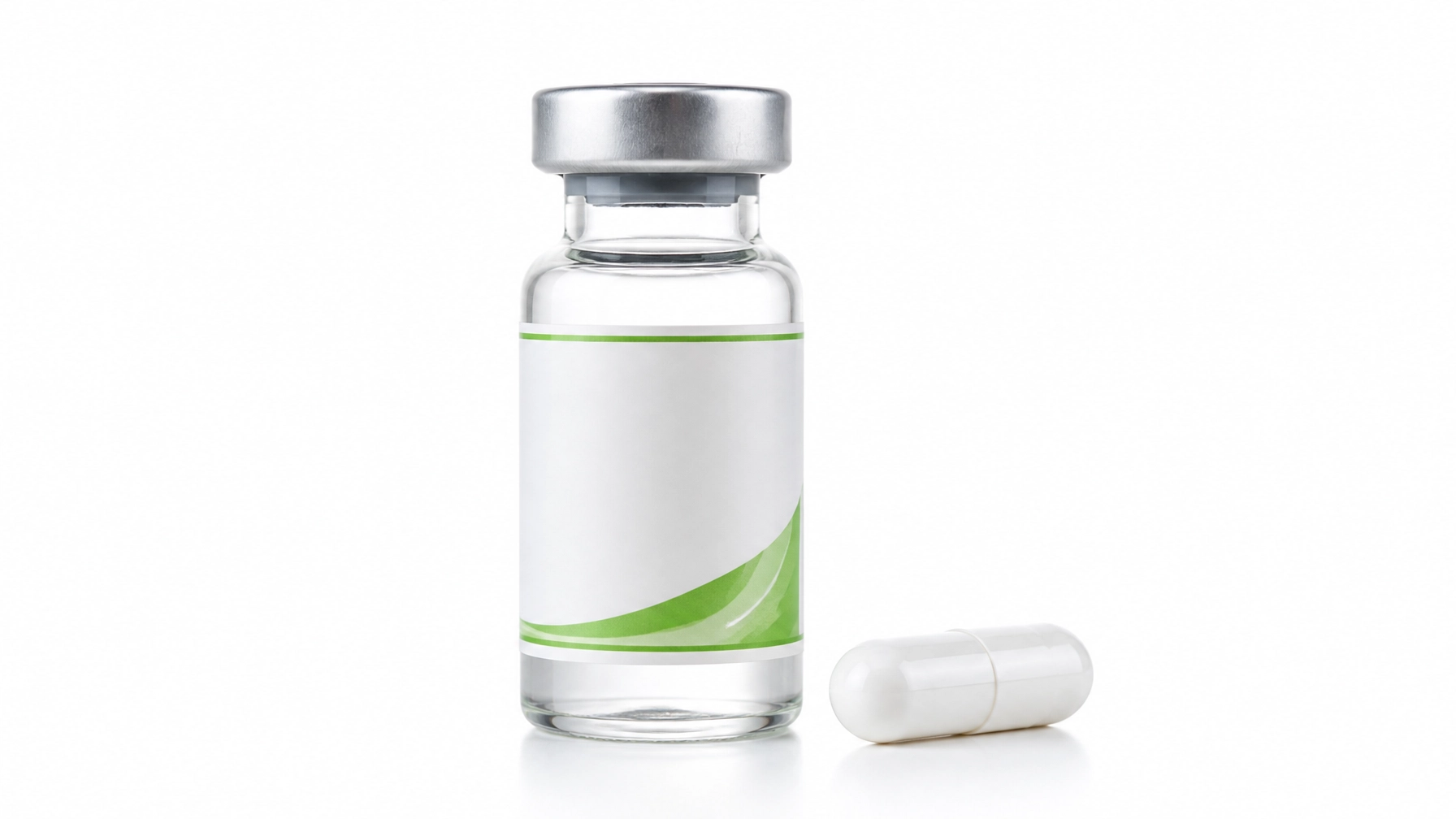
    Logical progression of pharmaceutical bottles and vials on a white background


    When to Choose Injectables: The "High-Octane" Performance

    You should consider injectables when the molecular structure of the compound is too fragile or large to survive the digestive tract, or when you need immediate, peak-level performance.

    1. The Peptide Problem

    Peptides like GHK-Cu are essentially chains of amino acids. Your stomach sees a peptide and treats it like a piece of steak, attempting to break it down into its individual components. To get the full anti-aging and tissue-repair benefits of GHK-Cu, injectable versions are vastly more potent than tablets.

    2. The Dihexa Comparison: Capsules vs. Injectables

    This is the ultimate case study in nootropic strategy.

    • Dihexa 10mg x 50 Capsules ($195): This is for the person building a long-term foundation for neurogenesis. It is designed to be orally active, but you take it daily to keep levels consistent.
    • Dihexa Injectable: Used by those who want to "shock" the system into a higher state of plasticity. It hits the HGF (Hepatocyte Growth Factor) receptors with maximum force immediately.

    Comparison Table: Choosing Your Strategy

    Feature Nootropic Capsules Injectables
    Bioavailability 5% – 40% (Compound dependent) 80% – 100%
    Onset of Action 30 – 60 minutes 5 – 15 minutes
    Ease of Use High (Portable, discreet) Moderate (Requires sterile technique)
    Best For Daily maintenance, small molecules Fragile peptides, peak events
    Example Product Phenibut HCL 500mg Semax 10mg

    Strategy: The Tiered Approach to Brain Fog

    If you are suffering from acute brain fog, consider this tiered strategy:

    1. Foundation: Start with Pinealon 200mcg Capsules ($125). This is a bioregulator that works like a "reset button" for your circadian rhythms and brain tissue over a 30-day period.
    2. Immediate Focus: Stack with Noopept or Nooglutyl for a direct increase in acetylcholine sensitivity.
    3. The "Nuclear" Option: If the fog persists despite maintenance, move to an injectable cycle of Cerebrolysin to force a total neural reboot.

    Visualizing the Science: Video Guides

    To better understand the mechanics of how these substances interact with your biology, watch these expert breakdowns:

    Understanding Nootropics & The Brain

    @youtube

    Bioavailability: Why Delivery Methods Matter

    @youtube


    Optimization: The Golden Hour Protocol

    Consider your "Golden Hour": that first hour of the morning when your brain is most plastic.

    • Morning Stack: 5 Amino-1mq ($160) for metabolic health and fat loss, combined with Methylene Blue 10mg ($65) to supercharge mitochondrial ATP production. This is a capsule-only stack that provides all-day energy without the "crash-and-burn" of traditional stimulants.

    A clear glass of water next to a bottle of capsules in a bright office environment

    Safety, Maintenance, and the Australian Context

    In Australia, the regulatory landscape for research chemicals and peptides is specific. While we provide high-purity compounds for research and personal optimization, we always advocate for medical oversight.

    Safety is non-negotiable. If you choose the injectable route, ensure you are using pharmaceutical-grade bacteriostatic water and following strict aseptic techniques. If you choose capsules, pay close attention to your body's response. The "synergy" of these compounds is powerful; you are essentially re-writing the software of your own biology.

    Summary Checklist:

    • Choose Capsules if you are new to nootropics, travel frequently, or are using "small molecule" compounds like Phenibut or Nooglutyl.
    • Choose Injectables if you are using fragile peptides like GHK-Cu, or if you need the highest possible potency for neuro-regeneration.
    • Always maintain a consistent schedule. Biological optimization is a marathon, not a sprint.

    Take control of your biology today. Explore the full range of Capsules and Nootropics at wlaustralia.com.au and unlock your true potential.

  • Brain Fog Solutions: Semax, Noopept, Dihexa, and FGL for Mental Clarity

    Brain Fog Solutions: Semax, Noopept, Dihexa, and FGL for Mental Clarity

    You have likely experienced that frustrating sensation where your mind feels like a radio stuck between stations: lots of static, but no clear signal. This is Brain Fog. It isn't a medical diagnosis in itself, but rather a symptom of an underlying "clogged filter" or an "engine misfire" within your biological hardware. Whether it is caused by stress, lack of sleep, or post-viral recovery, brain fog prevents you from accessing the high-performance versions of yourself.

    In this guide, you will learn how to approach this problem with a tiered strategy. We will move from foundational "sparks" to deep "structural renovations" using four primary tools: Semax, Noopept, Dihexa, and FGL.

    Consider this your manual for biological maintenance. We are moving beyond caffeine and sugar; we are moving into the realm of neurotrophic support and synaptic plasticity.


    1. Semax: The Spark for Immediate Clarity

    Think of your brain like a car engine on a freezing morning. Sometimes, the battery is fine, but the engine just won't turn over. You need a jump-start. In the world of nootropics, Semax 10mg ($60) acts as that high-voltage spark.

    Semax is a synthetic peptide derived from the adrenocorticotropic hormone (ACTH). However, unlike the hormones that trigger stress, Semax is "neuro-specific." Its primary job is to rapidly upregulate Brain-Derived Neurotrophic Factor (BDNF).

    The Problem: Mental Fatigue and Slow Processing

    When you are "fogged in," your neurons aren't communicating efficiently. It’s like a construction site where the workers have stopped receiving instructions.

    The Solution: Immediate Signal Boosting

    Semax increases the "instruction flow." Within minutes of administration (typically via nasal spray for the fastest route to the brain), it enhances:

    • Selective Attention: Helping you tune out the "static" and focus on the task at hand.
    • Mental Stamina: Allowing you to work through complex problems without hitting a mental wall at 2 PM.
    • Neuroprotection: Shielding your neurons from the oxidative stress that often causes the fog in the first place.

    Focus on this: If you need to clear the clouds today to finish a project, Semax is your primary tool. It provides a "clean" energy: not the jittery buzz of a stimulant, but the quiet confidence of an engine running smoothly.

    Professional Semax 10mg Peptide Vial

    Watch: Why Semax is a Game Changer for Focus


    2. Noopept: The Steady Workhorse for Sustained Focus

    While Semax is the spark, Noopept is the steady workhorse that keeps the assembly line moving throughout the shift. Available conveniently in Noopept Capsules, this compound is a favorite for those who prefer a reliable, daily cognitive "maintenance" routine.

    The Problem: "Glitchy" Memory and Verbal Slips

    Do you ever find yourself walking into a room and forgetting why? Or having a word on the "tip of your tongue" that just won't come out? This is a breakdown in short-term memory and verbal fluency.

    The Solution: Optimizing the Flow

    Noopept works by sensitizing your acetylcholine receptors. Acetylcholine is the primary neurotransmitter involved in learning and memory: think of it as the "ink" your brain uses to write down new information.

    By using Noopept, you are:

    • Increasing BDNF and NGF: Nerve Growth Factor (NGF) acts like "fertilizer" for your brain cells.
    • Improving Consolidation: Helping your brain move information from "temporary storage" into long-term memory.
    • Enhancing Clarity: Users often describe a "HD-like" sharpening of their visual and auditory processing.

    For consistent mental clarity, Noopept serves as the foundational layer of a Nootropic Stack.


    3. Dihexa: The Master Rebuilder for Long-Term Repair

    Sometimes, the issue isn't just a lack of "spark" or "ink." Sometimes, the actual infrastructure: the "wiring": has been damaged. This is where we move from temporary fixes to structural renovation. Dihexa 10mg ($100 injectable / $195 caps) is arguably the most potent synaptogenic compound currently known to science.

    The Problem: Cognitive Decline and Chronic Fog

    If your brain fog has persisted for months or years, or if you are recovering from a significant cognitive setback (like a concussion or chronic neuroinflammation), you need deep repair.

    The Solution: Rebuilding the Network

    Dihexa acts on the Hepatocyte Growth Factor (HGF) pathway. In simpler terms, it tells your brain to grow new synapses (the connections between neurons). If your brain were a city, Dihexa isn't just fixing a few potholes; it is building entirely new highways to bypass the traffic.

    • Potency: Research suggests Dihexa is exponentially more potent than BDNF at promoting synapse formation.
    • Synaptogenesis: It builds new "dendritic spines," which are the docking ports for neural communication.
    • Long-Term Benefit: Unlike stimulants that wear off, the structural changes promoted by Dihexa are designed to be lasting.

    Take control of your biology: Because of its extreme potency, Dihexa should be treated with the highest level of respect. It is the "heavy machinery" of cognitive repair.

    High-Resolution Nootropic Capsule Bottle


    4. FGL: The Communication Specialist for Synaptic Plasticity

    If Dihexa builds the highways, FGL 10mg ($160) upgrades the fiber-optic cables. FGL is a peptide derived from the Neural Cell Adhesion Molecule (NCAM). It is a specialist in synaptic plasticity.

    The Problem: Inflexible Thinking and Slow Learning

    When your brain feels "stiff," you struggle to learn new skills or adapt to new information. This is a lack of plasticity: your "zipper" is stuck.

    The Solution: Upgrading the NCAM Pathway

    FGL mimics the action of NCAM by activating the FGFR1 receptor. This triggers a cascade of signals that make your neurons more "flexible" and communicative.

    • Enhanced Neurogenesis: It promotes the birth of new neurons in the hippocampus, the brain's memory center.
    • Anti-Inflammatory Action: FGL helps "quiet" overactive microglial cells (the brain's immune system), which are often the primary culprits behind chronic brain fog.
    • Improved Signaling: It ensures that the messages sent between neurons are loud, clear, and delivered on time.

    FGL is for the individual who wants to "optimize" their hardware for peak performance and faster learning.

    Watch: Targeted Strategies for Clearing Brain Fog


    The Strategic Comparison: Choosing Your Tool

    To help you decide which protocol fits your current needs, consider this comparison table of our elite cognitive tools available at wlaustralia.com.au.

    Product Primary Role Best For… Price (AUD)
    Semax 10mg The Spark Immediate focus & mental stamina $60
    Noopept Caps The Workhorse Daily memory & verbal fluency Varies
    Dihexa 10mg The Rebuilder Structural repair & new connections $100 – $195
    FGL 10mg The Specialist Synaptic plasticity & anti-inflammation $160

    Dual Peptide Vials for Structural and Communication Support


    Safety, Maintenance, and Local Context

    When you begin "unlocking" your biology with these advanced tools, you must act with the responsibility of a lead engineer. In Australia, the regulatory environment for peptides and nootropics requires that these compounds be used for research purposes and under the guidance of a qualified health professional.

    The Golden Rules of Cognitive Optimization:

    1. Start with the Foundation: Do not try to "overclock" your brain if you are only sleeping 4 hours a night. Ensure your "cooling system" (sleep and hydration) is functional first.
    2. Tiered Implementation: Start with a "spark" like Semax or a "workhorse" like Noopept before moving into the "heavy renovation" of Dihexa.
    3. Monitor Your Output: Keep a journal. Note changes in your focus, mood, and sleep. If you feel "wired" or irritable, your dosage may be too high for your current biological state.
    4. Synergy: These tools often work best in a "pulse" style: using them for a set cycle (e.g., 4-8 weeks) and then allowing the brain to stabilize and integrate the new connections.

    Why Quality Matters in Australia

    The Australian climate and distance mean that sourcing peptides requires a supplier who understands stability and purity. At wlaustralia, we prioritize the integrity of our compounds so that when you invest in your mental clarity, you are receiving a tool that is sharp and ready for work.

    Final Thoughts: Taking Control

    Brain fog is not a life sentence; it is a technical challenge. By logically applying the right tools: whether it’s the immediate signal-boosting of Semax, the daily support of Noopept, the structural rebuilding of Dihexa, or the plasticity enhancement of FGL: you can clear the static and reclaim your cognitive edge.

    Unlock your potential. Take control of your biology. The fog is temporary, but your potential is permanent.