Blog

  • Summer Ready: Melanotan 1 + GHK-Cu + GLOW Caps for Skin, Tan, and Confidence

    As the Australian sun begins to sharpen and the days stretch longer, the annual "summer panic" often sets in. You look in the mirror and see the remnants of a long winter: pale, perhaps slightly dull skin that feels unprepared for the intensity of the coastal UV. Traditionally, the solution was to bake under the sun for hours, risking DNA damage and premature aging just to achieve a bronze glow.

    Consider this: What if you could upgrade your biology to be "summer-ready" before you even step onto the sand?

    By utilizing a targeted protocol of Melanotan 1, GHK-Cu, and GLOW Caps, you are not just chasing an aesthetic; you are optimizing your skin’s internal machinery. This triple-threat approach addresses pigmentation, structural integrity, and internal nourishment. Think of it as a comprehensive "building renovation" for your largest organ.


    The Foundation: Melanotan 1 for Photoprotective Pigmentation

    The primary frustration of early summer is the "burn-then-peel" cycle. Your skin is like a solar panel that hasn't been calibrated; when the high-intensity light hits, it overloads the system.

    Melanotan 1 (MT-1), also known as Afamelanotide, acts as the software update for your melanocytes. It is a synthetic analogue of the alpha-melanocyte-stimulating hormone (α-MSH). Its job is simple: it tells your skin to produce eumelanin: the dark pigment that provides a natural tan: without requiring massive amounts of skin-damaging UV exposure.

    Why MT-1 Over MT-2?

    You will often hear about Melanotan 2 (MT-2), but for those focused on a sophisticated, clinical approach, MT-1 is the gold standard.

    • Selectivity: MT-1 is highly selective for the MC1R receptor (the "tanning" receptor).
    • Side Effect Profile: Unlike MT-2, which can cross the blood-brain barrier and cause appetite suppression or unwanted systemic effects, MT-1 stays focused on the skin.
    • Photoprotection: MT-1 doesn't just make you dark; it increases "melanin density," which acts as a biological shield against UV-induced DNA damage.

    The Strategy: Start your MT-1 protocol 4 to 6 weeks before your peak summer holiday. This allows the pigment to build gradually and evenly, creating a base that makes you significantly more resilient to the sun.

    A hyper-realistic, close-up photograph of human skin texture under bright, direct light. One side of the frame shows a pale, unprotected skin tone, while the other side transitions into a smooth, natural golden tan. The image is crisp, detailed, and highlights the healthy glow of the skin without any redness or irritation, emphasizing the results of a controlled tanning protocol.


    The Structural Support: GHK-Cu (The Copper Peptide)

    A tan looks best on skin that is firm, hydrated, and smooth. If Melanotan 1 is the "paint job" for your house, GHK-Cu is the structural engineer ensuring the walls don't crack.

    GHK-Cu (Glycyl-L-Histidyl-L-Lysine copper) is a naturally occurring copper complex that declines as we age. In the context of summer prep, it serves as the ultimate "recovery agent."

    The Construction Site Analogy

    Imagine your skin cells are a busy construction site. Collagen and elastin are the steel beams and rubber gaskets that keep everything flexible yet strong. As we age or face environmental stress, the workers get tired and the "zippers" of our DNA repair sequences start to jam.

    • Collagen Synthesis: GHK-Cu signals the fibroblasts to start "manufacturing" new Type I collagen.
    • Elastin Production: It increases elastin, giving your skin that "snap-back" quality.
    • Remodeling: It helps clean up "extra-cellular debris" (old, damaged proteins), making room for fresh, healthy tissue.

    By integrating GHK-Cu: either via targeted topicals or systemic applications: you are ensuring that your summer glow is backed by thick, resilient skin that can bounce back from the drying effects of salt water and wind.


    The Internal Fuel: GLOW Caps

    You cannot build a high-performance engine with low-grade fuel. While peptides handle the signaling, your body still needs the "raw materials" to execute the repairs. This is where GLOW Caps come into play.

    GLOW Caps are formulated as a "beauty from within" supplement. They provide a specific SKHN Complex: a blend of marine proteins, vitamins, and botanical antioxidants.

    The Problem-Solution Framing

    • The Problem: Environmental oxidative stress from UV rays creates "free radicals" that eat away at your skin's glow.
    • The Solution: The antioxidants in GLOW Caps (like Tomato extract/Lycopene and Green Tea extract) act as internal "scavengers," neutralizing these threats before they cause visible damage.

    Key Ingredients for Summer:

    • Hydrolyzed Collagen: Provides the amino acid building blocks for the GHK-Cu to work with.
    • Horsetail Extract: Rich in silica, which strengthens the "connective tissue" of the skin.
    • Beta-Carotene: Further supports the warm, golden hue of your tan from the inside out.

    The Summer Prep Protocol: A Tiered Strategy

    To "unlock" your best summer skin, you must follow a logical, incremental timeline. Do not wait until December 1st to start.

    Phase 1: Preparation (Weeks 1-4)

    Focus on internal saturation.

    • GLOW Caps: Take daily to build up antioxidant reserves in your tissues.
    • Exfoliation: Begin a gentle weekly exfoliation routine to remove "dead weight" (old skin cells), ensuring your tan develops on a fresh surface.

    Phase 2: Activation (Weeks 4-8)

    Initiate the signaling.

    • Melanotan 1: Begin your loading phase. You will notice a subtle deepening of your natural skin tone.
    • GHK-Cu: Integrate this into your routine to ensure the new skin being produced is of the highest structural quality.

    Phase 3: Maintenance (Summer Season)

    • Sun Safety: Continue to use SPF. Remember, MT-1 provides photoprotection, not invincibility. Think of it as a backup generator, not the primary power source.
    • Hydration: Both internal (water) and external (moisturizers) are non-negotiable to prevent the "leathering" effect of the sun.
    Product Primary Function When to Start
    Melanotan 1 Tanning & UV Defense 6-8 Weeks Before Summer
    GHK-Cu Collagen & Skin Repair Ongoing / 4 Weeks Before
    GLOW Caps Internal Nourishment 8 Weeks Before Summer

    Safety, Compliance, and Responsibility

    At wlaustralia, we emphasize that while these tools are powerful, they must be used with respect for your biology.

    1. Medical Oversight: Always consult with a healthcare professional before starting any peptide or intensive supplement protocol, especially if you have a history of skin cancer or atypical moles.
    2. Gradual Progress: Optimization is a marathon, not a sprint. Avoid high "loading doses" that might cause nausea. Slow and steady wins the race to a perfect tan.
    3. Regional Context: In Australia, the UV index is among the highest in the world. Our "Summer Ready" stack is designed to complement, not replace, traditional sun safety measures like hats, sunglasses, and high-quality sunscreen.

    A clean, professional studio photograph of a white bottle labeled 'GLOW' alongside a small vial of clear liquid. The products are centered on a white background with soft, natural lighting. The composition is minimalist and clinical, reinforcing a sense of transparency and reliability. No extra props or artistic filters are used.


    Conclusion: Take Control of Your Biology

    Confidence in summer comes from knowing you’ve done the work to protect and enhance your body. By stacking the tanning power of Melanotan 1, the regenerative signals of GHK-Cu, and the nutritional foundation of GLOW Caps, you aren't just reacting to the heat: you are mastering it.

    Ready to start your transformation? Explore our range of capsules and skincare support to build your custom stack today.

    Video Resources for Further Learning

    Video 1: The Science of Melanogenesis and MT-1
    (Imagine a detailed breakdown of how MSH analogues interact with skin receptors to produce melanin)

    Video 2: GHK-Cu : The "Reset Button" for Aging Skin
    (A visual guide to collagen synthesis and the role of copper peptides in tissue repair)
  • Biohacker’s Budget Guide: The Best Peptide Stacks Under $200

    Biohacker’s Budget Guide: The Best Peptide Stacks Under $200

    You will learn how to optimize your biology without draining your bank account. Many newcomers to the world of alternative medicine assume that "biohacking" is a playground reserved for the ultra-wealthy, filled with $50,000 hyperbaric chambers and $200-a-day supplement regimens. Consider this: your body is like a high-performance car engine. You don't always need to replace the entire transmission to get it running smoothly again; sometimes, all you need is the right lubricant and a few precision-tuned spark plugs.

    In this guide, we will strip away the mystery surrounding the cost of peptides. We are moving from the foundational concept of "vial math" to four specific, tiered strategies designed to fit a monthly budget of under $200. Focus on the strategy, not the sticker price, and you will see that taking control of your health is more accessible than you think.

    The Math of Biohacking: Solving the "Price Tag Frustration"

    The most common frustration for new biohackers is looking at a vial price and feeling overwhelmed. You see a price and think, "Is that for one day or one month?" To fix this, you must master Vial Math.

    Think of a peptide vial like a pantry staple. You don't buy a bag of flour and use it all in one loaf of bread. You look at the total "grams" (milligrams in our case) and divide it by your "serving size."

    The Formula:

    1. Total mg in vial / Daily Dose (mg) = Total Days of Use.
    2. Vial Price / Total Days of Use = Daily Cost.

    By using this logic, you shift your mindset from "This vial costs $60" to "This treatment costs $2 per day." Suddenly, your "expensive" habit is cheaper than your morning latte.


    1. The Wolverine Stack (Healing & Recovery)

    Estimated Cost: ~$55 – $70 / Month

    If you are struggling with a lingering gym injury, joint pain, or slow recovery, consider this the "Construction Site" protocol. When a building is damaged, you need two things: a project manager to direct traffic and the raw materials to fix the bricks.

    • BPC-157: The project manager. It signals the body to initiate the healing process in tendons, ligaments, and the gut.
    • TB-500: The heavy machinery. It promotes cell migration and reduces inflammation across the entire system.

    The Strategy: By stacking these, you create synergy. BPC-157 works locally and systemically to "knit" tissue back together, while TB-500 clears the path of inflammation. This stack is remarkably affordable because low-to-moderate doses are often all that is required for maintenance and minor repair.

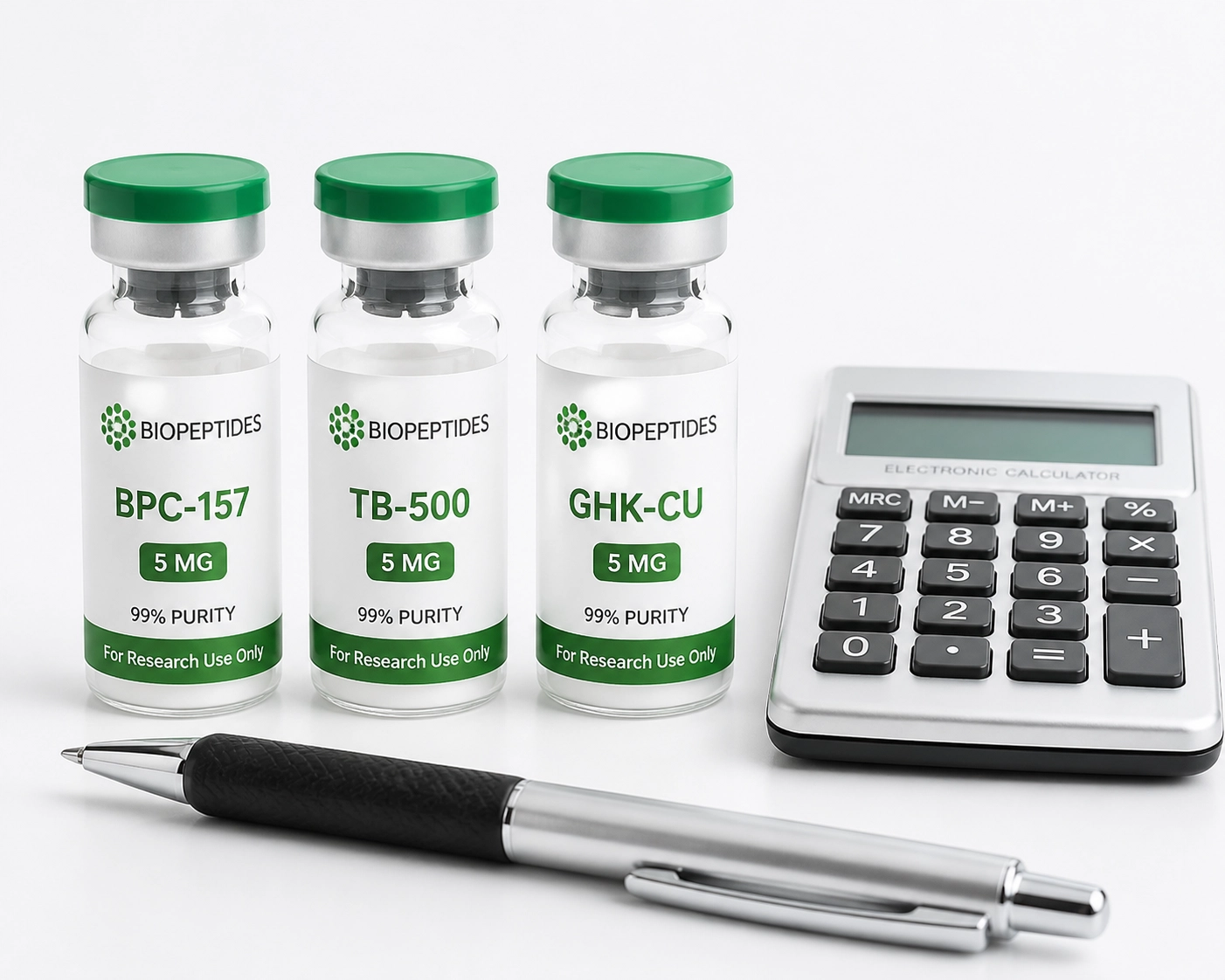
    Realistic vials of BPC-157 and TB-500 on a clean white background


    2. The Inside-Out Stack (Skin & Gut Support)

    Estimated Cost: ~$45 – $60 / Month

    This stack addresses the frustration of looking "tired" or dealing with nagging digestive issues. Think of your gut and your skin as the "Exterior Paint" and "Internal Plumbing" of your house. If the plumbing is leaky, the paint eventually peels.

    • GHK-Cu (Copper Peptide): Known for its incredible ability to promote collagen synthesis and skin elasticity. It’s like a fresh coat of high-quality paint.
    • KPV: A potent anti-inflammatory peptide that specifically targets the gut lining and skin inflammation. It’s the technician fixing the internal leaks.

    The Solution: Using these together ensures that you aren't just masking surface-level issues. You are healing the gut-skin axis. At this price point, you are spending less than the cost of a single high-end designer face cream, but you are treating the root cause.


    3. The Deep Tissue Stack (GH & Sleep Optimization)

    Estimated Cost: ~$55 – $75 / Month

    Are you waking up feeling like a phone that only charged to 40%? This is the "Battery Recharge" protocol. To optimize your biology, you must master the Growth Hormone (GH) pulse and the quality of your restorative sleep.

    • CJC-1295 + Ipamorelin: This duo acts as a "gentle nudge" to your pituitary gland. It’s like a sports team coach calling for a play; it encourages your body to release its own natural GH in a healthy, pulsatile manner.
    • DSIP (Delta Sleep-Inducing Peptide): DSIP doesn't force you to sleep; it helps regulate the "sleep-wake" architecture so your deep sleep cycles are more efficient.

    The Protocol: Focus on taking the GH secretagogues (CJC/Ipa) five nights a week with two days off. This "cycling" stretches your budget and prevents your body from becoming desensitized.

    CJC-1295, Ipamorelin, and DSIP vials on a white surface


    4. The Heavy Hitter (Targeted Fat Loss)

    Estimated Cost: ~$140 – $200 / Month

    If your primary goal is metabolic health and weight management, you may choose to put your entire budget into a single, high-impact tool. This is the "Total Renovation" approach.

    Problem-Solution Framing: While the monthly cost is higher than the other stacks, consider the "Food Savings Offset." Most users on these protocols find they naturally eat 30-40% less. If you save $10 a day on takeaway and snacks, you save $300 a month. In reality, these peptides often pay for themselves.

    High-quality Retatrutide or Semaglutide vial


    Instructional Guide: Mixing & Bioavailability

    To get the most out of your $200, you cannot afford to waste product. Precision is your best friend.

    Video 1: How to Reconstitute and Mix

    Learn how to safely add bacteriostatic water to your vials without damaging the delicate peptide chains. Treat these like fragile glass ornaments, not a bottle of soda.

    Watch: How to Mix Peptides and Reconstitute Safely

    Video 2: Stacking 101

    If you are wondering how to combine multiple peptides into one routine, this video breaks down the timing and "synergy" required for success.

    Watch: Peptide Stacking 101 for Beginners


    How to Stretch Your Budget: The Local Expert's Tips

    As a local expert in the Australian landscape, I know that shipping and accessibility can impact your bottom line. Use these three rules to maximize your investment:

    1. The 5/2 Cycle: Most peptides (like CJC-1295) do not need to be used every single day. Taking two days off per week (e.g., weekends) makes a single vial last nearly 30% longer.
    2. Bulk Procurement: Buying a Retatrutide Starter Pack or larger mg vials often drops the "cost per mg" significantly.
    3. Correct Storage: Keep your reconstituted vials in the back of the fridge, not the door. Temperature fluctuations are the enemy of stability. A spoiled vial is money down the drain.

    Vials on a calendar representing cycling and planning

    Comparison Table: Monthly Cost vs. Primary Goal

    Stack Name Primary Goal Est. Monthly Cost (AUD) Main Peptides
    The Wolverine Injury & Recovery $55 – $70 BPC-157, TB-500
    Inside-Out Skin & Gut $45 – $60 GHK-Cu, KPV
    Deep Tissue Sleep & GH $55 – $75 CJC, Ipa, DSIP
    Heavy Hitter Fat Loss $140 – $200 Retatrutide / Semaglutide

    Safety and Maintenance

    Always prioritize medical oversight. While these stacks are designed for efficiency and budget, they are potent biological tools. Ensure you are sourcing from reputable providers that offer high-purity products. In Australia, regional regulations are strict for a reason: to protect the consumer.

    Unlock your potential. You now have the blueprint to take control of your biology. Whether you are fixing the "plumbing" of your gut or the "paint" of your skin, a limited budget is no longer an excuse. Start with one stack, master the vial math, and watch your recovery transform.

  • Nasal Spray vs Injection vs Oral: Bioavailability Showdown Across Popular Peptides

    You are standing at a crossroads. You’ve done the research, you’ve identified the peptides that could unlock your next level of recovery or cognitive performance, and now you face the ultimate question: How do I actually get them into my system?

    Choosing a delivery method is not just about convenience; it is about "Bioavailability": the actual percentage of the substance that reaches your bloodstream to do its job. Imagine ordering a 1,000-brick delivery for a construction site. If the truck breaks down and only 50 bricks arrive, your project stalls. In the world of biohacking, your body is the construction site, and the delivery method is the truck.

    In this guide, you will learn the scientific "showdown" between injections, nasal sprays, and oral capsules. We will demystify the numbers and help you determine which "shipping route" is right for your biology.

    1. The Gold Standard: Subcutaneous & Intramuscular Injections

    The Analogy: A Direct Flight.

    When you inject a peptide like Retatrutide or Epitalon into the fatty tissue (Subcutaneous) or muscle (Intramuscular), you are effectively putting it on a direct flight to your destination. There are no layovers and no customs inspections.

    The Science

    Injections provide near 100% bioavailability. Because the peptide bypasses your digestive system entirely, it avoids the "Gauntlet" of stomach acid and the "Filter" of the liver (known as first-pass metabolism).

    • Pros: Most consistent dosing, fastest systemic onset, and most cost-effective per milligram.
    • Cons: Requires needles, which can be a barrier for those with a phobia or a busy lifestyle.

    Focus on this: If your goal is systemic repair: such as healing a torn tendon with BPC-157 or metabolic regulation with Semag: the injection remains the undisputed king. It ensures that every microgram you pay for actually goes to work.

    Macro photography of a sterile glass vial with a precision syringe on a bright, minimalist white background.

    2. The Brain Shortcut: Intranasal Sprays

    The Analogy: The VIP Backstage Entrance.

    Consider the Blood-Brain Barrier (BBB) as a high-security fence surrounding your brain. Most substances are denied entry. However, the nasal cavity offers a "secret door" via the olfactory and trigeminal nerves.

    The Science

    Nasal bioavailability varies wildly, typically ranging from 3% to 10% for larger peptides, but reaching as high as 90%+ for specific nootropics like Selank.

    • The Olfactory Pathway: This allows peptides to travel directly from the nasal mucosa to the brain, bypassing the BBB. This makes nasal sprays the preferred choice for nootropics like Semax or Selank.
    • Systemic Absorption: While some of the peptide enters the lungs or is swallowed, a significant portion is absorbed through the thin, vascularized lining of the nose.

    The Problem: Low absorption for large molecules.
    The Solution: Use nasal sprays specifically for brain-targeted goals (focus, anxiety, neuroprotection) rather than systemic muscle growth.

    3. The Scenic Route: Oral Capsules

    The Analogy: The Gauntlet.

    Taking a peptide orally is like sending a delicate glass ornament through a standard postal service without bubble wrap. Most peptides are "unzipped" (broken down) by stomach enzymes before they can ever reach your bloodstream.

    The Science

    For most peptides, oral bioavailability is less than 5%. Your stomach is designed to digest proteins: and since peptides are just short chains of amino acids, your body sees them as food.

    • Exceptions to the Rule: Some peptides, like BPC-157 Arginate, are engineered to be stable in gastric acid.
    • The "Gut-First" Strategy: If you are using BPC-157 to treat gut inflammation or IBS, the oral route is actually superior because it delivers the "repair crew" directly to the site of the damage.

    High-resolution photography of white capsules next to a professional clinical bottle on a neutral white surface.

    The Bioavailability Showdown Table

    Peptide Goal Injection (SubQ) Nasal Spray Oral
    BPC-157 Systemic Healing 100% (Gold) ~10-15% ~10-30% (Arg salt)
    Semax / Selank Brain / Focus High Best (Direct to Brain) Very Low
    Epitalon Longevity High Moderate Low
    Semaglutide Weight Loss High N/A ~1% (Requires high dose)

    Comparison: Specific Use-Cases

    BPC-157: Oral vs. Injectable

    If you have a "Golfers Elbow" or a knee injury, inject. You need systemic circulation to reach the tendons. However, if you are struggling with "Leaky Gut," oral capsules are your best friend. They coat the intestinal lining, solving the problem at the source.

    Nootropics: Nasal vs. Injectable

    Injecting a nootropic will get it into your blood, but it still has to fight to get past the Blood-Brain Barrier. A nasal spray bypasses this gatekeeper, offering a "head rush" of clarity that injections often lack.

    @youtube

    Practical Safety and Maintenance

    Regardless of the delivery method, you must prioritize purity. At wlaustralia, we provide research-grade products that adhere to strict quality standards.

    1. Dose Correction: If a study says 250mcg is the effective dose for injection, you cannot simply take 250mcg orally and expect the same result. You must account for the bioavailability "tax."
    2. Rotation: If injecting, rotate your sites to prevent lipohypertrophy (small fat lumps). If using nasal sprays, alternate nostrils to prevent irritation.
    3. Storage: Peptides are delicate "zippers." Keep them away from direct sunlight and extreme heat. Most reconstituted peptides belong in the fridge.

    @youtube

    Taking Control of Your Biology

    The "best" delivery method is the one you will actually use consistently. A 100% bioavailable injection is useless if you are too afraid of needles to use it. Conversely, an oral capsule is a waste of money if the peptide is destroyed before it hits your blood.

    Consider this strategy:

    • For physical repair and fat loss: Commit to the SubQ injection. It is the most efficient use of your investment.
    • For mental performance: Opt for the intranasal route. It targets the "control center" directly.
    • For digestive health: Use oral capsules like Pinealon or stable BPC-157.

    Unlock your potential by choosing the right vehicle for your journey. Explore the full range of delivery options at wlaustralia.com.au and take the guesswork out of your optimization protocol.

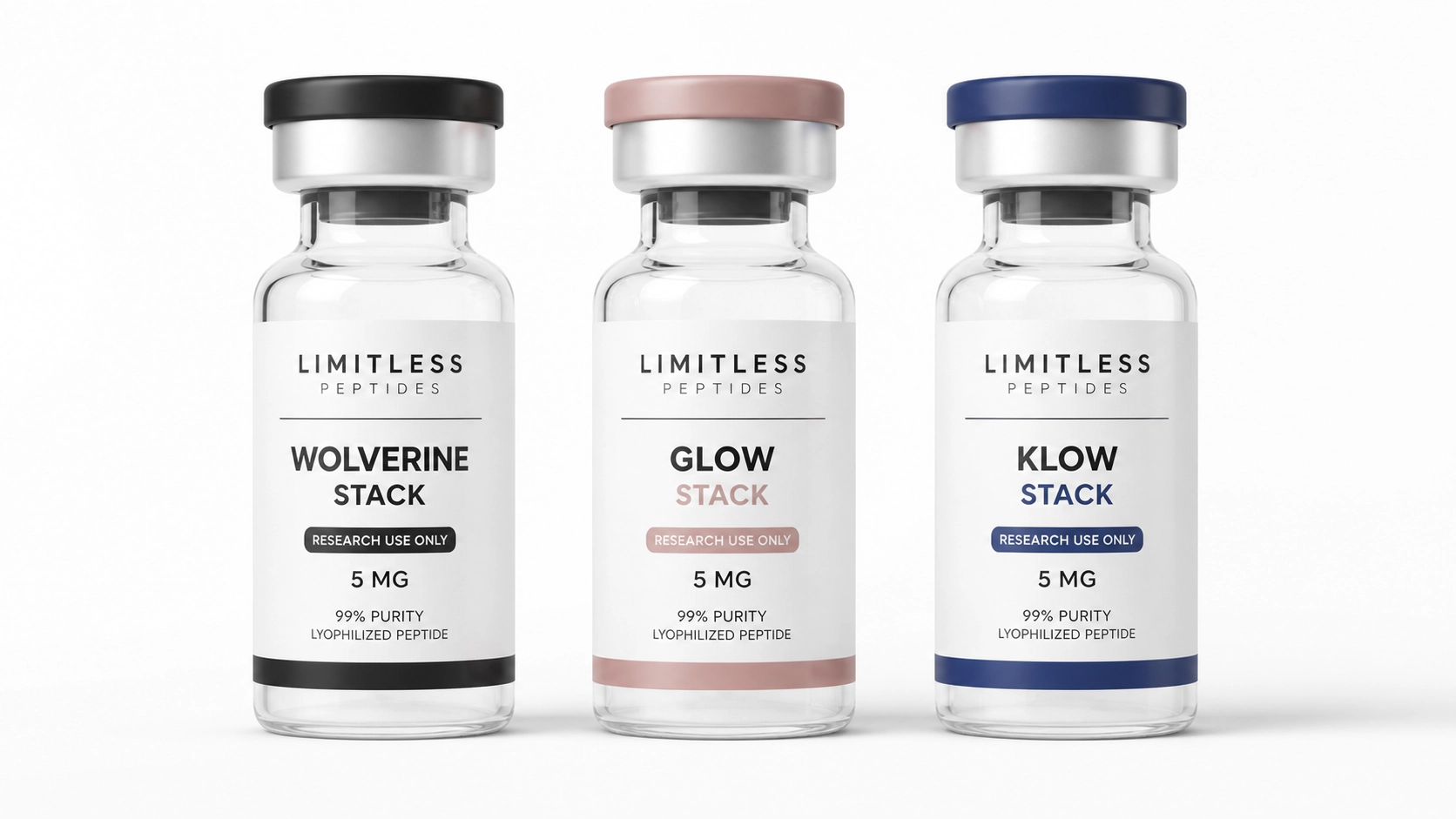
  • The Wolverine Stack vs The Glow Stack vs The Klow Stack : Which Healing Stack is for You?

    The Wolverine Stack vs The Glow Stack vs The Klow Stack : Which Healing Stack is for You?

    If you have ever watched a superhero movie and wondered why we can’t all just "snap" our tissues back together after an injury, you aren't alone. In the world of high-performance biology, the dream of rapid recovery is no longer just for the silver screen. We are entering an era where targeted peptide protocols: like the Wolverine Stack, the Glow Stack, and the Klow Stack: are helping individuals optimize their internal "construction crews."

    But with so many options, how do you know which "repair kit" is right for your specific goals? Think of your body like a heritage-listed building. Are you looking to fix a cracked foundation (Wolverine), polish the exterior facade (Glow), or completely overhaul the internal plumbing and security systems (Klow)?

    In this guide, you will learn the fundamental differences between these three powerhouse stacks, the science behind their synergy, and how to choose the one that fits your biological needs.


    The Foundation: Why We Stack BPC-157 and TB-500

    Before we compare the stacks, we must understand the "Construction Crew" that forms the baseline for all of them: BPC-157 and TB-500.

    BPC-157: The Site Foreman

    Consider BPC-157 (Body Protection Compound) as the experienced site foreman. Its job is to oversee angiogenesis: the creation of new blood vessels. Just as a construction site needs roads to deliver materials, your injured tissues need blood flow to deliver nutrients. BPC-157 "recruits" repair cells and protects the local environment from further damage.

    TB-500: The Skilled Labourer

    If BPC-157 is the foreman, TB-500 (a fragment of Thymosin Beta-4) is the skilled labourer that can move rapidly across the site. TB-500 excels at cell migration. It allows repair cells to "zip" through the body to reach the injury site quickly, promoting flexibility and reducing the build-up of restrictive scar tissue.

    Together, these two form the "Wolverine" foundation. Every stack we discuss today starts here.


    1. The Wolverine Stack: The Pure Recovery Powerhouse

    The Components: BPC-157 + TB-500

    The Wolverine Stack is the original, no-nonsense protocol for musculoskeletal repair. If you are an athlete, a dedicated gym-goer, or someone recovering from a recent surgery, this is your primary tool.

    • Primary Focus: Tendons, ligaments, muscles, and bone.
    • The Problem: You’ve sustained a soft-tissue injury (like a tear or strain) and the standard "rest and ice" approach is moving too slowly.
    • The Solution: By combining the vascular-boosting power of BPC-157 with the migratory speed of TB-500, the Wolverine Stack creates a synergistic environment for rapid structural repair.

    Who is it for?
    The "Pure Recovery Athlete." You don't care about skin texture or gut health right now; you just want to get back on the field or back under the squat rack.


    2. The Glow Stack: Recovery Meets Aesthetics

    The Components: BPC-157 + TB-500 + GHK-Cu

    The Glow Stack takes the foundational Wolverine protocol and adds a master architect: GHK-Cu (Copper Peptide).

    GHK-Cu: The Master Architect

    GHK-Cu is legendary for its ability to remodel the Extracellular Matrix (ECM). Imagine the ECM as the scaffolding of your skin and connective tissues. As we age, this scaffolding becomes brittle. GHK-Cu "resets" the genes involved in collagen synthesis, making the scaffolding strong and elastic again.

    • Primary Focus: Broader tissue healing + Skin health + Collagen production.
    • The Problem: You want to recover from your workouts, but you also notice that your skin is losing its "snap," and your joints feel "creaky" rather than just "injured."
    • The Solution: The Glow Stack provides the structural repair of the Wolverine Stack while simultaneously "renovating" your skin and connective tissues.

    Who is it for?
    Individuals who want recovery + aesthetics. It’s popular among those in their 30s to 50s who want to maintain a youthful appearance while supporting a high-activity lifestyle.


    3. The Klow Stack: The Comprehensive Restoration

    The Components: BPC-157 + TB-500 + GHK-Cu + KPV

    The Klow Stack is the "Platinum Level" of peptide protocols. It adds KPV, a potent anti-inflammatory peptide that acts as the "Fire Extinguisher" for the body.

    KPV: The Fire Extinguisher

    KPV is a tripeptide that targets the immune system's inflammatory response. While some inflammation is necessary for healing, chronic inflammation is like a fire that never goes out, eventually damaging the "building" it was supposed to fix. KPV is particularly effective at calming inflammation in the gut and on the skin.

    • Primary Focus: Systemic recovery + Gut health + Immune modulation + Aesthetics.
    • The Problem: You have lingering injuries, but you also struggle with systemic issues like bloating, gut sensitivity, or skin redness (like rosacea or eczema).
    • The Solution: The Klow Stack covers every base. It repairs the tissue (BPC/TB), rebuilds the collagen (GHK-Cu), and puts out the inflammatory fires (KPV).

    Who is it for?
    The "Biohacker" looking for the most comprehensive recovery and optimization protocol available.


    Comparison Table: Choosing Your Stack

    Feature Wolverine Stack Glow Stack Klow Stack
    Primary Goal Joint/Muscle Repair Skin & Structural Support Full Body Restoration
    Key Peptides BPC-157, TB-500 + GHK-Cu + GHK-Cu, KPV
    Healing Depth Deep Tissue Tissue + Dermal Tissue + Dermal + Gut
    Anti-Aging Moderate High Maximum
    Cost Budget-Friendly Mid-Range Premium

    Dosing Guidance: The Technical Blueprint

    When using these stacks, consistency is the "mortar" that holds your "bricks" together. Most protocols follow a "Cycle" approach to ensure the body remains sensitive to the peptides.

    Typical Protocol:

    • BPC-157: Often dosed at 250mcg – 500mcg daily. You can find capsule options for gut-specific issues, though subcutaneous is preferred for systemic injuries.
    • TB-500: Typically 2mg – 5mg per week, often split into two doses.
    • GHK-Cu: Usually 1mg – 2mg daily when injected, or used topically for skin-specific goals.
    • KPV: Dosed similarly to BPC-157, often around 200mcg – 500mcg daily.

    Cycle Length: A standard cycle is 4 to 8 weeks, followed by a 2 to 4-week break. This "pulse" style of delivery prevents the body from becoming desensitized.


    Safety and Legal Oversight in Australia

    At wlaustralia, we emphasize that while the potential of these peptides is immense, they must be handled with the respect they deserve. In Australia, the Therapeutic Goods Administration (TGA) maintains strict regulations on these substances.

    Focus on Safety:

    1. Medical Oversight: Always consult a healthcare professional before starting a peptide protocol.
    2. Quality Sourcing: Ensure your peptides are high-purity. Research-grade compounds should be handled according to strict safety protocols.
    3. Bloodwork: Consider regular blood panels to monitor your systemic response to these advanced biological tools.

    Visualizing the Science

    To better understand how these peptides interact within your biology, consider these resources:

    1. Understanding BPC-157 and TB-500 Synergy

    This video explains how the "Foreman" and the "Labourer" work together to rebuild damaged tissue.
    Watch: TB-500 and BPC-157: The Healing Duo

    2. The Power of GHK-Cu for Skin and Repair

    Learn how adding copper peptides can transform your recovery from a purely functional one to an aesthetic one.
    Watch: GHK-Cu Explained


    Conclusion: Take Control of Your Biology

    Choosing between the Wolverine, Glow, and Klow stacks isn't about finding the "best" one; it's about finding the one that matches your current biological "project."

    • If you are broken, choose Wolverine.
    • If you are ageing, choose Glow.
    • If you are inflamed, choose Klow.

    By understanding these mechanisms, you move from being a passive observer of your health to an active manager. Unlock your potential, support your recovery, and take control of your biology today. Explore our range of high-performance supplements and peptides to start your journey.


    FAQ

    Q: Can I take these peptides orally?
    A: BPC-157 and KPV have high stability in the gastric environment and can be effective in capsule form, especially for gut issues. However, TB-500 and GHK-Cu are generally more effective via subcutaneous injection for systemic repair.

    Q: How soon will I see results?
    A: Most users report changes in inflammation and pain levels within the first 7-14 days. Structural repair (tendons/ligaments) and skin changes (GHK-Cu) typically require a full 4-8 week cycle to become apparent.

    Q: Are there side effects?
    A: While generally well-tolerated, some users may experience redness at the injection site or mild fatigue. High doses of GHK-Cu can sometimes cause a "metallic" taste or temporary lethargy if copper levels aren't monitored.

  • Men Over 40: The Complete Hormone Reboot with Testagen, Prostamax, and Kisspeptin

    Hitting 40 often feels like someone swapped your high-performance engine for a lawnmower's. You might notice your energy flagging, your recovery slowing down, and perhaps a nagging discomfort in the prostate area that wasn't there in your 20s.

    In the traditional medical world, the answer is usually one-dimensional: Testosterone Replacement Therapy (TRT). While TRT can be a lifesaver, it’s like replacing a car’s entire engine when all you needed was a tune-up and some fresh spark plugs. For many men, the goal isn't just to "add more fuel" (exogenous hormones) but to reboot the factory itself.

    At wlaustralia, we focus on bioregulation: the art of teaching your body to do its job again. Today, we’re looking at a powerhouse trio designed specifically for the man over 40: Testagen, Prostamax, and Kisspeptin.


    The "Construction Site" Analogy: How Your Hormones Work

    To understand why this stack is different, imagine your endocrine system as a busy construction site:

    1. The Foreman (Kisspeptin): He stands at the top of the chain, shouting orders to the crew to start building.
    2. The Laborers (Testagen): These are the guys on the ground in the "Testicular Factory" who actually manufacture the testosterone.
    3. The Maintenance Crew (Prostamax): They ensure the site (the prostate) stays clean, reducing inflammation and keeping the plumbing working smoothly.

    Traditional TRT is like hiring a third-party contractor to do all the work while your original crew goes home and takes a permanent nap. Our "Reboot Stack" focuses on waking up the Foreman, training the Laborers, and supporting the Maintenance Crew.


    Step 1: The Upstream Spark – Kisspeptin

    The Problem: As we age, the signal from our brain to our testes often gets "fuzzy." Your body might have the capacity to make testosterone, but the Foreman has stopped giving orders.

    The Solution: Kisspeptin is a neuropeptide that acts as the "master regulator" of the reproductive axis. It stimulates the release of Gonadotropin-Releasing Hormone (GnRH), which then drives the production of Luteinizing Hormone (LH) and Follicle-Stimulating Hormone (FSH).

    Why it matters for you:

    • Preserves Fertility: Unlike TRT, which shuts down your natural production, Kisspeptin encourages it.
    • The "Natural" Feel: By driving your own LH production, you maintain your natural hormonal rhythm rather than having a flat, static level of synthetic testosterone.

    Step 2: Rebuilding the Factory – Testagen (KEDG)

    The Problem: Even if the Foreman is shouting orders, the Laborers might be tired. In men over 40, the cells in the testes (Leydig cells) often become less responsive to signals.

    The Solution: Testagen is a Khavinson Bioregulator (specifically a tetrapeptide with the sequence Lys-Glu-Asp-Gly). Think of this as a manual for the laborers. It doesn't force them to work; it provides the genetic "blueprints" they need to repair themselves at a cellular level.

    How it works:
    Testagen interacts directly with your DNA to modulate gene expression. It helps "turn back the clock" on testicular tissue, making it more sensitive to the signals from Kisspeptin. It also provides support for the pituitary-thyroid axis, ensuring your metabolism doesn't get left behind.

    A high-definition close-up of a peptide vial labeled


    Step 3: Protecting the Infrastructure – Prostamax

    The Problem: For many men over 40, the prostate begins to act like a clogged drain. Inflammation (Prostatitis) or enlargement (BPH) can lead to frequent bathroom trips and discomfort.

    The Solution: Prostamax (Lys-Glu-Asp-Pro) is another tissue-specific bioregulator. While Testagen focuses on the "factory output," Prostamax focuses on the "factory structure."

    The Benefits:

    • Reduces Inflammation: It helps lower local swelling and vascular congestion in the prostate.
    • Tissue Repair: It supports the regeneration of prostate cells, helping to maintain a healthy size and function.
    • Synergy: Healthy prostate function is crucial for overall sexual health and urinary comfort: the "quality of life" metrics that testosterone alone can't always fix.

    The Three-Pronged Strategy vs. Traditional TRT

    Feature Traditional TRT The Reboot Stack (Kisspeptin + Bioregulators)
    Mechanism Exogenous (External) Hormone Endogenous (Internal) Optimization
    Fertility Often Suppressed Generally Preserved/Enhanced
    HPTA Axis Shuts down feedback loops Works with and restores feedback loops
    Prostate May require careful monitoring of growth Directly supports prostate health/anti-inflammation
    Dosing Lifelong commitment usually required Often used in "cycles" to reset the system

    The Strategy: You will use Kisspeptin to provide the initial "spark," Testagen to optimize the testicular response, and Prostamax to ensure your prostate stays healthy while your hormonal activity increases. This is a tiered approach: you aren't just fixing a number on a lab report; you are optimizing an entire system.


    Integrating Into Your Routine: The Australian Context

    When considering a hormone reboot, it’s vital to ground your strategy in safety. In Australia, we operate under strict TGA (Therapeutic Goods Administration) and AHPRA guidelines. You should always consult with a healthcare professional before starting any peptide protocol, especially if you have a history of prostate issues or hormone-sensitive conditions.

    The "Pulse" Protocol

    For men over 40, we often recommend a "pulse" style of delivery:

    1. Optimization Phase (4-6 weeks): Using the stack to "wake up" the system.
    2. Maintenance Phase: Stepping back to let the bioregulators' long-term epigenetic effects take hold.
    3. Assessment: Checking your bio-markers (Total/Free Testosterone, PSA, LH, FSH) to see how your body has responded.

    A professional medical-style comparison chart shown on a clean tablet screen, illustrating the difference between hormone suppression and hormone bioregulation with simple graphs.


    Common Questions (FAQs)

    Q: Will this stack make me feel like I’m 21 again?
    A: Consider this: your body is a high-performance machine. You can’t make a 2010 model brand new, but you can certainly make it run better than a 2024 model that hasn't been serviced. You can expect improved energy, better mood stability, and enhanced recovery.

    Q: Is this legal in Australia?
    A: These compounds are generally classified for research purposes. It is your responsibility to ensure you are compliant with local laws and using these under the guidance of a qualified practitioner.

    Q: Do I need to inject these?
    A: Kisspeptin is typically administered via a small subcutaneous (sub-Q) injection. Bioregulators like Testagen and Prostamax are often available in capsule form, making them easy to integrate into a daily supplement routine. Check our Capsules Category for more bioregulator options.


    Taking Control of Your Biology

    The goal of the Testagen, Prostamax, and Kisspeptin stack is Optimization, not just Replacement. By addressing the brain-to-body signal, the testicular tissue quality, and the prostate environment simultaneously, you are creating a synergy that TRT alone cannot match.

    If you’re ready to stop just "getting by" and start "thriving," it’s time to look at the blueprints of your own biology.

    Watch: How to Reconstitute Your Peptides Properly
    [Insert Video Suggestion: A clear, step-by-step guide on mixing bacteriostatic water with peptide powder, emphasizing sterility and gentle swirling over shaking.]

    Watch: Understanding the HPG Axis in Aging Men
    [Insert Video Suggestion: An educational animation showing the relationship between the hypothalamus, pituitary, and testes, and how aging affects these pathways.]

    Ready to explore more? Browse our full range of Muscle Growth and Nootropics to complete your wellness stack.


  • The TRT Alternative: Using Kisspeptin, Gonadorelin, and HCG to Preserve Fertility

    The TRT Alternative: Using Kisspeptin, Gonadorelin, and HCG to Preserve Fertility

    For many men, Testosterone Replacement Therapy (TRT) is a life-changing intervention. It can restore energy, sharpen mental focus, and rebuild physical strength. However, standard TRT carries a hidden cost that often goes undiscussed until it becomes a crisis: the total shutdown of the Hypothalamic-Pituitary-Gonadal (HPG) axis.

    When you introduce external testosterone into your system, your body’s internal feedback loop senses the surplus. In response, it "fires the staff" at your internal hormone factory. The brain stops sending signals, the pituitary stops releasing hormones, and the testes eventually atrophy: leading to a drastic drop in sperm production and fertility.

    But you don't have to choose between hormone optimization and fatherhood. By utilizing a trio of targeted peptides: Kisspeptin, Gonadorelin, and HCG: you can create a "Fertility Shield" that keeps your internal factory running while you enjoy the benefits of optimized testosterone.


    The Problem: Why Standard TRT Shuts You Down

    To understand the solution, you must first understand the mechanics of the "Space Heater Analogy."

    Imagine your body is a room and your brain is a thermostat (the HPG axis). When the room gets cold (low testosterone), the thermostat sends an electrical pulse (GnRH) to a furnace (the pituitary) which then blows hot air (LH and FSH) to the vent (the testes).

    When you start TRT, you are essentially plugging in a powerful space heater. The room gets warm very quickly. The thermostat senses this heat and thinks, "Mission accomplished." It cuts the power. No more electrical pulses, no more furnace activity, and the vents eventually gather dust and shrink.

    The result?

    • LH (Luteinizing Hormone) Drops: The signal to produce testosterone inside the testes disappears.
    • FSH (Follicle-Stimulating Hormone) Drops: The signal to create sperm vanishes.
    • Intratesticular Testosterone (ITT) Plummets: Without ITT, sperm production is nearly impossible.
    • Testicular Atrophy: Like an unused muscle, the testes begin to shrink.

    Level 1: The CEO’s Strategy : Kisspeptin

    If the HPG axis is a corporate hierarchy, Kisspeptin is the CEO. It sits at the very top of the chain in the hypothalamus. Its primary job is to issue the "Master Work Order" by triggering the release of Gonadotropin-Releasing Hormone (GnRH).

    The Solution:
    When you use Kisspeptin, you are essentially forcing the CEO to keep sending orders despite the "space heater" being on. By stimulating the hypothalamus, Kisspeptin preserves the most natural, upstream pulse of the entire system.

    Why it matters:

    • Physiologic Pulse: It encourages the body to maintain its own natural rhythms.
    • Upstream Activation: It keeps the brain "engaged" with the testes, preventing the deep neurological shutdown often seen with long-term TRT.

    Level 2: The Middle Manager : Gonadorelin

    One step down from the CEO is the Middle Manager: the Pituitary Gland. This is where Gonadorelin comes into play. Gonadorelin is a synthetic version of GnRH: the exact signal the hypothalamus uses to talk to the pituitary.

    The Solution:
    If the CEO (hypothalamus) is quiet due to TRT suppression, Gonadorelin acts as a direct command to the Pituitary. It tells the pituitary to release LH and FSH immediately.

    Why it matters:

    • Dual Stimulation: Unlike other options, Gonadorelin can trigger both LH (for testosterone) and FSH (for sperm).
    • Pituitary Maintenance: It prevents the pituitary gland from becoming desensitized and "lazy" during your cycle.

    Level 3: The Local Generator : HCG

    The most famous tool in the fertility toolkit is HCG (Human Chorionic Gonadotropin). While Kisspeptin and Gonadorelin work in the brain, HCG works directly at the "Factory Floor": the testes.

    The Solution:
    HCG is an LH Mimetic. Your testes cannot tell the difference between the LH your brain makes and the HCG you inject. When HCG arrives at the Leydig cells in the testes, it acts as a "Backup Generator," forcing them to produce Intratesticular Testosterone (ITT).

    Why it matters:

    • Prevents Atrophy: By keeping the Leydig cells active, HCG maintains testicular volume.
    • Spermatogenesis Support: High levels of ITT are a prerequisite for sperm production.
    • Proven Track Record: HCG is the clinical gold standard for maintaining fertility while remaining on TRT.

    Comparing the Three Tools

    Feature Kisspeptin Gonadorelin HCG
    Level of Action Hypothalamus (Top) Pituitary (Middle) Testes (Bottom)
    Primary Goal Restart the HPG "Master Switch" Trigger LH/FSH Release Maintain ITT and Size
    Mechanism Stimulates GnRH Mimics GnRH Mimics LH
    Fertility Focus Upstream / Physiologic Pituitary Response Testicular Activity

    The "Fertility Shield" Protocol: How to Stack

    For men who are serious about preserving their reproductive potential while optimizing their hormones, a "tiered" approach is often the most effective. Consider this structure as a way to take control of your biology:

    1. The Foundation (HCG): Most protocols use low-dose HCG (e.g., 250iu to 500iu two to three times per week) alongside TRT. This ensures the "factory" never truly closes.
    2. The Upstream Boost (Kisspeptin/Gonadorelin): Adding Gonadorelin or Kisspeptin can help keep the brain and pituitary responsive. This is especially useful for men who find that HCG alone isn't enough to prevent a "cloudy" or suppressed feeling.
    3. The PCT Transition: If you decide to come off TRT to conceive, these three peptides form the ultimate Post-Cycle Therapy (PCT) stack. They work in synergy to "jumpstart" the axis from the top down (Kisspeptin) and the bottom up (HCG).

    Video Resource: Understanding TRT and Fertility

    Below is a detailed breakdown of how HCG and other adjuncts help maintain sperm count.

    [VIDEO: How to Stay Fertile on TRT – Medical Explanation]


    Practical Safety and Maintenance

    Before you begin any "fertility-preserving" protocol, you must acknowledge the responsibility of hormone management. In the Australian context, these substances are often classified as Schedule 4 (Prescription Only) or are intended for research purposes.

    Focus on these safety steps:

    • Baseline Testing: Get a semen analysis before starting TRT and another 3 months into your protocol.
    • Bloodwork Monitoring: Watch your LH and FSH levels. While they will likely be low on TRT, the goal of these peptides is to keep the machinery responsive.
    • Medical Oversight: Always work with a healthcare professional who understands the nuance of the HPG axis. Optimization is a marathon, not a sprint.

    Why Choose the Alternative Path?

    Standard TRT is often a "scorched earth" approach to hormones. It fixes the symptom (low T) but destroys the system (the HPG axis). By choosing to incorporate Kisspeptin, Gonadorelin, or HCG, you are opting for a sophisticated management strategy.

    You are essentially telling your body: "I want the performance of the external heater, but I refuse to let my internal furnace rust."

    Whether you are a 25-year-old athlete looking to stay fertile for the future or a 45-year-old man wanting to avoid testicular atrophy, these tools allow you to unlock your potential without sacrificing your legacy.

    Video Resource: The Science of Kisspeptin

    Watch this to learn why Kisspeptin is being hailed as the "Master Switch" of human reproduction.

    [VIDEO: Kisspeptin – The Future of Hormone Restoration]


    Conclusion: Taking Control of Your Biology

    The days of choosing between "The Gains" and "The Kids" are over. By understanding the hierarchy of the HPG axis and utilizing targeted peptides from wlaustralia, you can maintain a high-performance lifestyle while keeping your reproductive health intact.

    Ready to optimize? Focus on the upstream signals. Protect the factory. Maintain the pulse.

  • Testicular Atrophy Prevention: Gonadorelin + Kisspeptin + HCG on TRT

    If you are currently on Testosterone Replacement Therapy (TRT) or considering making the leap, you have likely heard the whispers about "the shrinkage." It is the most common physical side effect men face when optimizing their hormones: testicular atrophy.

    Think of your body’s natural hormone production like a power grid. When you introduce external testosterone (TRT), it is like flipping a main circuit breaker. Your brain senses that there is plenty of power in the lines, so it shuts down the local power plant: your testes: to prevent an overload. While this keeps your testosterone levels high and stable, the "factory" itself begins to shut down, leading to a loss of volume, reduced scrotal fullness, and a significant drop in fertility.

    But you do not have to accept this as an inevitable trade-off. By using a strategic "Triple Defense" approach with Gonadorelin, Kisspeptin, and HCG, you can keep the factory running even when the main breaker is off.

    In this guide, you will learn how these three powerful agents work together to preserve your biology, maintain your size, and protect your long-term reproductive health.


    The Problem: Understanding the HPG Axis Shutdown

    To fix the issue, you must first understand the mechanics of the "shutdown." Your hormone production relies on the Hypothalamic-Pituitary-Gonadal (HPG) Axis.

    1. The Hypothalamus (The Manager) sends out a signal called GnRH.
    2. The Pituitary (The Supervisor) receives GnRH and releases LH and FSH.
    3. The Testes (The Factory) receive LH and FSH to produce testosterone and sperm.

    When you start TRT, the Manager (Hypothalamus) sees the high testosterone in the blood and stops sending orders. The Supervisor (Pituitary) stops working, and the Factory (Testes) goes dormant. This dormancy causes the physical tissue to contract: the atrophy you want to avoid.

    The Problem-Solution Matrix

    Frustration Biological Cause Targeted Solution
    Shrinkage Lack of LH signal to Leydig cells HCG (Mimics the LH signal)
    Pituitary Stalling No upstream GnRH signal Gonadorelin (Stimulates the Pituitary)
    Total Axis Shutdown Hypothalamus is "blind" to the need for GnRH Kisspeptin (Drives the Hypothalamus)

    The Direct Stimulator: HCG (Human Chorionic Gonadotropin)

    A close-up of a medical vial representing HCG on a clean white background

    HCG is the most established tool for preventing atrophy. It acts as a backup generator. Even if the main power line is cut, the backup generator keeps the lights on.

    Biologically, HCG is an LH (Luteinizing Hormone) analog. This means it looks and acts exactly like the signal your pituitary normally sends to your testes. When you inject HCG, your testes "think" the brain is still calling for production. They continue to produce intratesticular testosterone, which maintains their size and supports sperm production.

    Focus on this: HCG is excellent for cosmetic volume and basic function, but it only works at the "bottom" of the chain. It does not wake up your brain; it only wakes up the factory.


    The Pituitary Signal: Gonadorelin

    High-resolution photo of a peptide vial labeled Gonadorelin in a clinical setting

    While HCG bypasses the brain, Gonadorelin attempts to keep the middle management: the Pituitary: engaged. Gonadorelin is a synthetic version of GnRH (Gonadotropin-Releasing Hormone).

    Consider this: If HCG is the backup generator, Gonadorelin is the switchboard operator. It sends a signal directly to the Pituitary gland, telling it to release its own LH and FSH.

    Why this matters: By stimulating the pituitary, you are preventing "Pituitary Desensitization." Keeping this gland active makes it much easier to eventually transition off TRT if you ever choose to do so. It maintains a more "natural" hormonal rhythm than HCG alone.

    You can explore our range of Muscle Growth Support Peptides to see how these fit into a comprehensive optimization protocol.


    The Master Key: Kisspeptin-10

    Scientific illustration of the HPG axis with glowing hormonal pathways

    Kisspeptin is the most "upstream" solution available. In the hierarchy of your biology, Kisspeptin is the Chief Executive Officer. It sits at the very top of the HPG axis in the hypothalamus.

    Kisspeptin's job is to trigger the release of GnRH. When you use Kisspeptin-10 on TRT, you are essentially "knocking on the door" of the CEO and telling them to get back to work. It has been shown in research to increase the pulse frequency of LH and FSH, providing a more holistic "reboot" of the entire system.

    The Synergy: Using Kisspeptin alongside TRT helps maintain the integrity of the entire axis, ensuring that the brain-to-testes connection remains "wired" and ready.


    Comparing Strategies: Monotherapy vs. The Triple Stack

    Many men start with just HCG, but the results often fall short of a "total reboot." Let’s compare the tiered strategies.

    Tier 1: HCG Monotherapy

    • Target: Testicular Volume.
    • Result: Good for size, but the brain remains "asleep." Often leads to higher estrogen spikes because HCG is very potent at stimulating the aromatase enzyme in the testes.
    • Best for: Men who only care about the cosmetic "hang" of the scrotum.

    Tier 2: HCG + Gonadorelin

    • Target: Testicular Volume + Pituitary Health.
    • Result: Better "axis integrity." You get the direct stimulation of HCG with the added benefit of keeping the pituitary gland "awake."
    • Best for: Men concerned about long-term dependency on TRT.

    Tier 3: The Triple Defense (HCG + Gonadorelin + Kisspeptin)

    • Target: Full Axis Preservation.
    • Result: This is the "Gold Standard" for preventing atrophy. By hitting the Hypothalamus (Kisspeptin), the Pituitary (Gonadorelin), and the Testes (HCG), you ensure that no part of your reproductive system "atrophies" or becomes desensitized.
    • Best for: Men who want to maximize fertility, maintain full size, and keep their natural biology "unlocked" while enjoying the benefits of TRT.

    Practical Protocols and Timing

    To successfully integrate these into your TRT routine, you must focus on consistency and synergy.

    1. Timing the Injections

    Most men on TRT inject their testosterone once or twice a week. To mimic a natural rhythm, support peptides are often dosed more frequently.

    • HCG: Typically 250iu – 500iu, administered 2-3 times per week.
    • Gonadorelin: Often dosed 100mcg – 200mcg, 2-3 times per week, usually on the days you are not injecting testosterone.
    • Kisspeptin-10: Typically 100mcg, administered 2-3 times per week.

    2. Monitoring Your Bio-Markers

    When you add these stimulators, your total testosterone and estrogen (Estradiol) levels will likely rise. Your testes are now contributing their own production to the "exogenous" dose you are injecting.

    • Bloodwork is non-negotiable. Check your E2 (Estrogen) levels every 8-12 weeks. If you feel "nipple sensitivity" or excessive water retention, you may need to adjust your TRT dose downward now that your testes are back online.

    3. Reconstitution and Maintenance

    These peptides usually arrive as a lyophilized (freeze-dried) powder. You will need to reconstitute them with Bacteriostatic Water. Always keep them refrigerated once mixed to maintain their structural integrity. For more on proper handling, check our Peptide Storage Guide.


    Expert Insights: Visualizing the Recovery

    To help you visualize how these components interact, consider these expert breakdowns:

    Video 1: How HCG Works on TRT

    [Insert Video: HCG for Testicular Atrophy Explained]
    (Note: Imagine a detailed video here explaining the LH-mimicry of HCG and its role in maintaining Leydig cell function.)

    Video 2: The Future of Axis Preservation

    [Insert Video: Kisspeptin and Gonadorelin in Hormone Optimization]
    (Note: Imagine a video here discussing the "upstream" benefits of peptide therapy for maintaining the HPG axis.)


    Safety, Legal Compliance, and Responsibility

    In Australia, the use of peptides like Gonadorelin and Kisspeptin is subject to strict regulations. These are research compounds and should always be used under the guidance of a qualified medical professional.

    Never self-prescribe. While the goal is to "take control" of your biology, doing so without medical oversight can lead to hormonal imbalances, such as sky-high estrogen or polycythemia (thick blood). Always ground your optimization journey in professional advice and regular lab testing.

    Final Thoughts: Unlock Your Potential

    Testicular atrophy is a choice, not a requirement of TRT. By implementing a tiered strategy that supports the entire HPG axis, you can enjoy the energy, drive, and muscle-building benefits of optimized testosterone without sacrificing your scrotal fullness or fertility.

    Take control of your biology today. Focus on the "Triple Defense" and keep your factory running at peak capacity.

    For high-quality research materials and support, visit the wlaustralia shop and explore our latest optimization solutions.


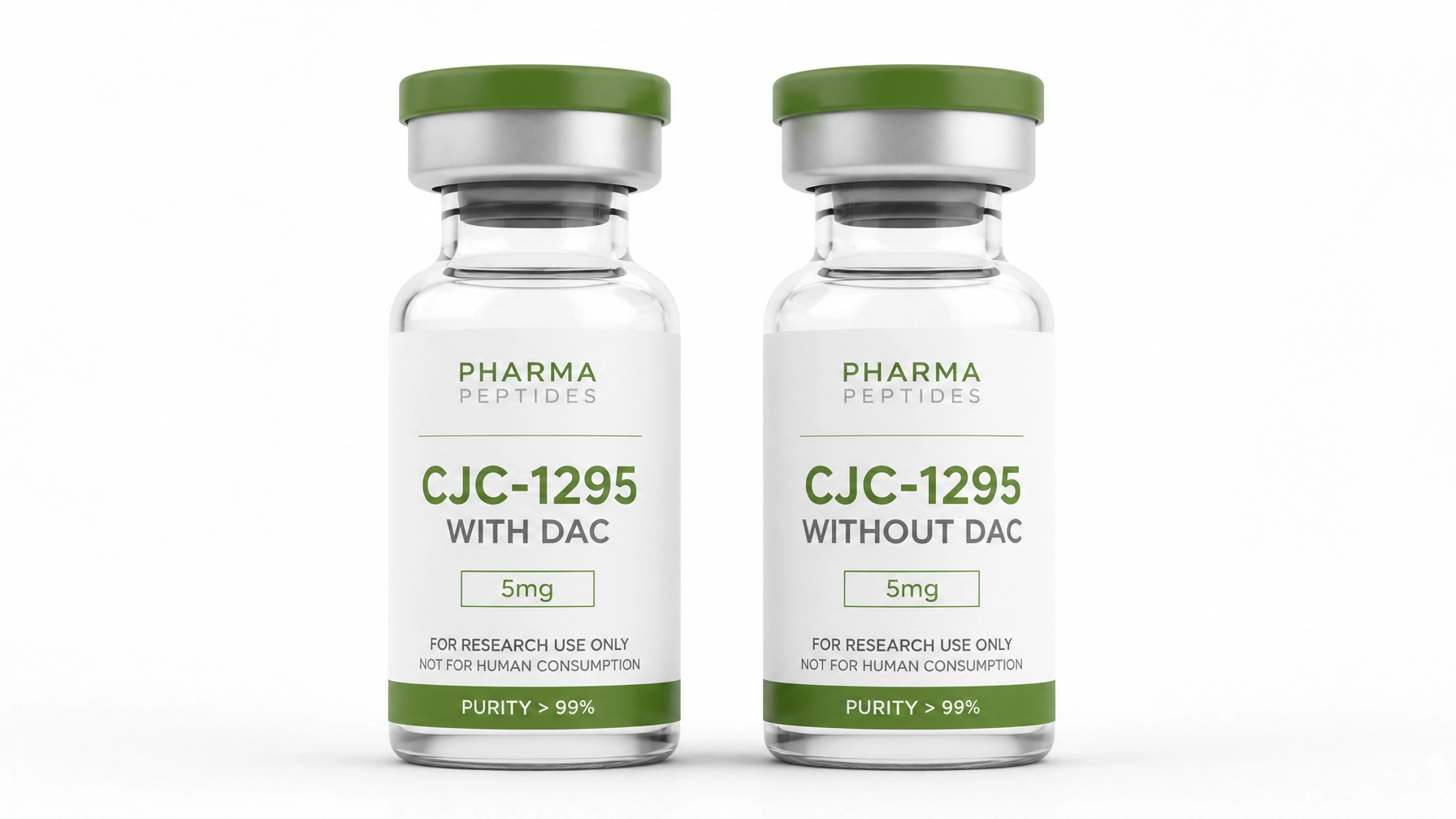
  • CJC-1295 With DAC vs Without DAC: Which is Right for Your Goals?

    CJC-1295 With DAC vs Without DAC: Which is Right for Your Goals?

    If you have spent even five minutes researching the world of growth hormone secretagogues, you have likely run into the "alphabet soup" of peptide names. Among the most confusing: and most frequently debated: is the distinction between CJC-1295 with DAC and CJC-1295 without DAC (also known as Mod GRF 1-29).

    Choosing between these two is not just about picking a label; it is about choosing a delivery strategy for your biology. Do you want a slow-release marathon runner or an explosive sprinter? To take control of your recovery, muscle growth, and longevity, you must understand how these tools interact with your endocrine system.

    In this guide, you will learn the foundational science behind these peptides, the critical differences in their half-lives, and exactly how to choose the right one based on your specific health goals.

    The Foundation: How GHRH Analogues Work

    Before we dive into the comparison, you need to understand the basic construction site of your body’s hormones.

    Imagine your pituitary gland is a manufacturing factory that produces Growth Hormone (GH). This factory doesn’t just run on its own; it waits for a signal from the "supervisor": the hypothalamus. That signal is called Growth Hormone Releasing Hormone (GHRH).

    Both CJC-1295 with DAC and without DAC are GHRH analogues. They act as "assistant supervisors" that tell the factory to start producing and releasing more GH. The result? Higher levels of circulating GH and, subsequently, higher levels of IGF-1 (Insulin-like Growth Factor 1), which is the primary worker responsible for tissue repair and muscle growth.

    CJC-1295 Without DAC (Mod GRF 1-29): The Pulsatile Sprinter

    CJC-1295 Without DAC Mod GRF 1-29 pulsatile release

    When you see a product labeled "CJC-1295 No DAC" or Mod GRF 1-29, think of it as a precision strike.

    The Mechanism: Mimicking Nature

    Your body does not naturally release growth hormone in a steady stream. Instead, it releases it in pulses, primarily during deep sleep or after intense exercise. Mod GRF 1-29 is designed to mimic this natural rhythm. It has a very short half-life of approximately 30 minutes.

    The Strategy: High Frequency, High Control

    Because it clears your system so quickly, you must be the one to manage the timing. Consider these factors:

    • Pulsatile Release: It creates a sharp spike in GH that lasts for 1–2 hours before returning to baseline.
    • Frequency: To see significant results, you typically require 2–3 injections daily.
    • Receptor Sensitivity: Because the signal is brief, your pituitary "factory" gets a break between pulses. This helps prevent desensitization, keeping your receptors fresh and responsive.

    Problem: You want the benefits of GH but are worried about disrupting your body's natural rhythms or experiencing long-term side effects.
    Solution: Focus on CJC-1295 Without DAC. It provides the most "physiological" experience, allowing you to trigger growth bursts exactly when you need them (like right before bed).

    CJC-1295 With DAC: The Sustained Marathon Runner

    CJC-1295 With DAC sustained elevation

    Now, let’s look at the "big brother" in the family: CJC-1295 with DAC (Drug Affinity Complex). If the No-DAC version is a sprinter, this version is a marathon runner that doesn't know how to stop.

    The Mechanism: The Albumin "Zipper"

    The "DAC" part of the name is a game-changer. It stands for Drug Affinity Complex, which essentially acts like a chemical "zipper" that attaches the peptide to albumin (a protein in your blood).

    By binding to albumin, the peptide is protected from being broken down by enzymes. This extends its half-life from 30 minutes to 5–8 days.

    The Strategy: Convenience and Stability

    Instead of frequent spikes, the DAC version creates a steady plateau of elevated GH and IGF-1.

    • Sustained Elevation: Your factory is now working overtime, 24/7. This leads to much higher overall IGF-1 levels.
    • Convenience: Because of the massive half-life, you only need 1–2 injections per week.
    • Anabolic Environment: This version provides a more constant "repair signal" to your tissues.

    Problem: Your lifestyle is too busy for multiple daily injections, and you want a steady, powerful anabolic environment for maximum recovery.
    Solution: Consider CJC-1295 With DAC. It is the ultimate tool for convenience and sustained metabolic support.

    Side-by-Side: The Comparison Table

    To help you visualize the choice, use this comparison table as your cheat sheet:

    Feature CJC-1295 Without DAC (Mod GRF) CJC-1295 With DAC
    Half-Life ~30 Minutes 5–8 Days
    Injection Frequency 2–3 times daily 1–2 times weekly
    Release Pattern Pulsatile (Natural) Sustained (Plateau)
    Primary Goal Fat loss, sleep, physiological support Muscle growth, convenience, anti-aging
    Receptor Risk Low (allows for recovery) Higher (potential for desensitization)
    Common Stack Ipamorelin Standalone or with GHRP-6

    Which is Right for Your Goals?

    Every individual has a unique biological blueprint. To unlock your potential, you must align your peptide choice with your primary objective.

    1. Goal: Maximum Muscle Growth & Recovery

    If you are training like a professional athlete and your primary focus is hypertrophy (muscle building), CJC-1295 with DAC is often favored. The sustained elevation of IGF-1 acts like a constant background hum of repair, ensuring that your muscles are always in an "anabolic" or building state.

    2. Goal: Targeted Fat Loss & Metabolic Health

    For those looking to "lean out" while preserving health, CJC-1295 without DAC is the superior choice. Because it mimics natural pulses, it is highly effective at mobilising fatty acids without the "GH Bleed" (a continuous elevation that can occasionally lead to insulin resistance if not managed carefully).

    3. Goal: Anti-Aging & Convenience

    If you are over 40 and simply want to feel "younger": better skin, improved mood, and steady energy: without the hassle of daily needles, CJC-1295 with DAC wins on convenience. It provides a reliable "top-up" for your declining hormone levels with minimal effort.

    4. Goal: The "Gold Standard" Synergy (Stacking)

    Ipamorelin and Mod GRF 1-29 stack

    In the peptide community, the most popular "synergy" stack is Mod GRF 1-29 paired with Ipamorelin.

    Think of it like a car engine. Mod GRF 1-29 is the fuel (the signal to start), and Ipamorelin is the turbocharger (it suppresses the "stop" signal called Somatostatin). When used together, they create a growth hormone pulse that is significantly more powerful than either could achieve alone. Because both have short half-lives, this stack provides a massive "burst" of recovery without lingering in your system for days.

    Recommended Educational Resources

    To further demystify these processes, consider watching these expert breakdowns:

    1. "CJC 1295 with DAC vs Without DAC and Which One You Should Actually Use" – A quick visual guide on albumin binding and half-life.
    2. "Doctor Explains What Peptides He Personally AVOIDS and Why" – A deep dive into the risks of non-physiologic GH elevation and why the "No DAC" version is often preferred in clinical settings.

    Safety, Maintenance, and the Australian Landscape

    Optimization is a marathon, not a sprint. While these tools are powerful, they must be used with a sense of responsibility and medical oversight.

    Regional Context & Regulations

    In Australia, peptides like CJC-1295 are regulated substances. You should only ever source these through reputable channels and under the guidance of a healthcare professional. Self-prescribing can lead to issues with purity, dosing errors, and legal complications. Always ensure your research is grounded in TGA (Therapeutic Goods Administration) compliance.

    Practical Maintenance

    • Blood Work: Before starting any hormone-modulating protocol, you must establish a baseline. Focus on your IGF-1 levels, fasting glucose, and HbA1c.
    • Cycling: To prevent your pituitary factory from "burning out" (desensitization), most experts recommend cycling. A common protocol is 5 days on, 2 days off, or 12 weeks on, 4 weeks off.
    • Side Effects: Be aware of potential side effects like water retention (edema), joint pain, or "tingling" in the hands (CTS). If these occur, it is a signal that your "factory" is being pushed too hard: lower the dose or increase your time off.

    Final Thoughts: Taking Control of Your Biology

    The choice between CJC-1295 with or without DAC ultimately comes down to your lifestyle and your tolerance for frequency.

    • Choose Without DAC if you want to be a precision engineer, carefully timing your growth pulses for maximum health and fat loss.
    • Choose With DAC if you want a set-it-and-forget-it anabolic powerhouse for recovery and convenience.

    By understanding these mechanisms, you are no longer just a passenger in your own aging process. You are the pilot. Take this knowledge, consult with a professional, and start your journey toward a more optimized, recovered, and empowered version of yourself.


  • BPC-157 Oral vs Injectable: Gut Healing vs Systemic Recovery : Which Wins?

    In the world of regenerative medicine, few compounds have generated as much buzz as BPC-157. Known as the "Body Protection Compound," this pentadecapeptide: a sequence of 15 amino acids: is actually derived from human gastric juice. Think of it as your body's internal "construction foreman," responsible for overseeing the repair and maintenance of tissues ranging from the delicate lining of your gut to the heavy-duty cables of your tendons.

    However, once you decide to explore the potential of BPC-157, you are immediately faced with a fork in the road: Oral capsules or subcutaneous injections?

    Choosing the wrong delivery method is like sending a plumber to fix an electrical problem. Both are skilled tradespeople, but they work on different systems. If your goal is to seal a "leaky" gut, an injectable might be the long way around. Conversely, if you are trying to repair a torn rotator cuff, oral capsules might lose their "tools" before they ever reach the job site.

    In this guide, you will learn the fundamental differences between oral and injectable BPC-157, the science of bioavailability, and how to choose the right protocol for your specific biology.


    The Oral Specialist: Sealing the "Zipper" of the Gut

    Focus on the gastrointestinal (GI) tract. For many, the gut is a source of constant frustration: bloating, food sensitivities, and the systemic inflammation that comes with Irritable Bowel Syndrome (IBS) or Leaky Gut Syndrome.

    Oral BPC-157 is the undisputed specialist for these issues. Unlike many other peptides that are destroyed by stomach acid (the "industrial shredder" of the digestive system), BPC-157 is uniquely stable in gastric juice. It can survive for over 24 hours in a highly acidic environment, allowing it to coat the lining of the stomach and intestines directly.

    The Problem: Leaky Gut and Ulcers

    When the "tight junctions" of your intestinal wall begin to fail, it’s like a zipper that has lost its teeth. Undigested food particles and toxins "leak" into your bloodstream, triggering an immune response. This leads to brain fog, fatigue, and systemic inflammation.

    The Solution: Localized Repair

    Oral BPC-157 acts like a repair technician working directly on that zipper. By delivering high local concentrations to the GI tract, it promotes angiogenesis (the formation of new blood vessels) and mucosal repair exactly where the damage is.

    • Best for: Gastritis, Gastric Ulcers, IBS, IBD (Crohn’s/Colitis), and Leaky Gut.
    • The Trade-off: While oral delivery is excellent for the gut, it has lower systemic bioavailability. This means only a fraction of the peptide escapes the "customs office" of the liver and the digestive tract to reach distant muscles or joints.

    Realistic clinical photography of a professional white supplement bottle of BPC-157 capsules sitting next to a glass of clear water on a white surface. The lighting is bright and neutral, emphasizing the product's clarity and informational value. The background is a clean, minimal white clinic-style setting.


    The Injectable Powerhouse: Systemic Recovery and Tissue Repair

    Consider this: if your house has a structural leak in the roof, you don't pour sealant down the kitchen sink and hope it reaches the attic. You go straight to the source.

    Injectable BPC-157 (typically administered via subcutaneous injection) is designed for systemic recovery. By bypassing the digestive system entirely, the peptide enters the bloodstream directly. This ensures that the maximum "payload" of the compound is available to travel to distant sites of injury.

    The Problem: Stubborn Musculoskeletal Injuries

    Tendons and ligaments are notorious for slow healing because they have poor blood supply. If a muscle is a well-paved highway, a tendon is a dirt track in the outback. It’s hard for your body’s natural repair nutrients to get there.

    The Solution: Rapid Onset and High Bioavailability

    Injectable BPC-157 increases the expression of growth hormone receptors in tendon fibroblasts. In simpler terms, it makes the "construction workers" in your tendons more responsive to the signals that tell them to rebuild.

    • Best for: Tendonitis (Tennis Elbow, Achilles), ligament tears, muscle strains, and joint inflammation.
    • The Advantage: Higher systemic bioavailability (~14-51% in animal models) compared to the ~10-30% seen in oral routes for non-gut tissues. You often see results much faster: sometimes within 48 to 72 hours for acute inflammation.

    Realistic high-resolution photo of a sterile 10mg clear glass vial of BPC-157 with a green cap and a small insulin syringe resting on a clean, medical-grade white surface. The image focuses on the clarity of the vial and the sharp, professional nature of the equipment. Minimal shadows and a direct, front-facing perspective.


    Head-to-Head: Oral vs. Injectable

    To help you decide which route aligns with your goals, review this comparison table.

    Feature Oral BPC-157 (Capsules) Injectable BPC-157 (Sub-Q)
    Primary Target GI Tract / Gut Lining Muscles, Tendons, Joints, Nerves
    Bioavailability Lower Systemic / High Local (Gut) High Systemic / Direct Bloodstream
    Ease of Use High (No needles required) Moderate (Requires reconstitution)
    Onset of Action 3–7 Days for Gut 1–3 Days for Systemic
    Storage Room temperature (Shelf stable) Refrigerated (After reconstitution)

    Practical Guidance: Dosing and Protocols

    At wlaustralia, we focus on providing research-grade compounds for those looking to optimize their biology. When considering BPC-157, safety and consistency are your two most important variables.

    1. The Gut-Centric Protocol (Oral)

    If you are battling IBS or "leaky gut," focus on the oral route.

    • Dosage: 250mcg to 500mcg, taken twice daily on an empty stomach.
    • Cycle Length: 4 to 8 weeks, followed by a 2-week "washout" period.
    • Product Recommendation: BPC-157 Capsules are the gold standard for ease of use and consistent GI delivery.

    2. The Musculoskeletal Protocol (Injectable)

    For those recovering from a gym injury or chronic joint pain.

    • Dosage: 250mcg to 500mcg daily via subcutaneous injection near the site of injury (though the effect is systemic).
    • Cycle Length: 2 to 4 weeks for acute injuries; up to 8 weeks for chronic issues.
    • Product Recommendation: BPC-157 10mg Vials provide the highest potency for systemic repair.

    3. The "Super Stack" (Combined)

    Can you use both? Absolutely. Many elite athletes and individuals with systemic autoimmune issues combine the two. This provides a "pincer movement" strategy: the oral capsules manage the internal inflammation and gut health, while the injectable handles the structural repair of the outer body.


    Video Insight: The Science of Tissue Repair

    To better understand how these peptides interact with your cellular "repair crews," watch these informative breakdowns:

    1. BPC-157 Mechanism of Action: A deep dive into how pentadecapeptides stimulate blood vessel growth.
      Watch: How BPC-157 Heals Tendons and Gut
    2. Oral vs. Injectable Bioavailability: A comparison of peptide absorption rates.
      Watch: Which BPC-157 Form is Best?

    Safety, Maintenance, and the Australian Context

    Safety isn't just a suggestion; it's the foundation of long-term optimization. While BPC-157 has shown a remarkable safety profile in animal studies: with no toxic threshold identified: you must approach its use with responsibility.

    Regional Regulations: In Australia, BPC-157 is currently classified for research purposes. It is vital to work with a medical professional who understands the nuances of alternative medicine and peptide therapy to ensure your protocols are safe and legally compliant.

    Storage is Key: Think of peptides like high-performance fuel: they are sensitive.

    • Injectables: Once reconstituted with bacteriostatic water, vials must be stored in the refrigerator (2°C to 8°C). Exposure to heat or direct sunlight will "break" the peptide chain, rendering it useless.
    • Oral: While more stable, capsules should still be kept in a cool, dark place to maintain their structural integrity.

    Realistic photography of a clean refrigerator shelf with a small, neatly organized white box containing peptide vials. The lighting is crisp and cool, conveying the importance of proper temperature-controlled storage and professional care. Minimalist and clear.


    Summary: Which Wins?

    There is no "winner" in the battle of oral vs. injectable: only the right tool for the job.

    • Choose Oral if you want to unlock a healthy gut, reduce bloating, and fix the "zipper" of your intestinal lining.
    • Choose Injectable if you want to take control of your recovery from physical injury, joint pain, or systemic inflammation.

    By understanding the logic of delivery, you move from "guessing" to "optimizing." Whether you are a weekend warrior or someone looking to reclaim their quality of life from chronic GI issues, BPC-157 offers a powerful pathway to regeneration.

    Ready to start your repair protocol? Explore our full range of Healing Peptides at wlaustralia and find the support your body needs to rebuild stronger than before.


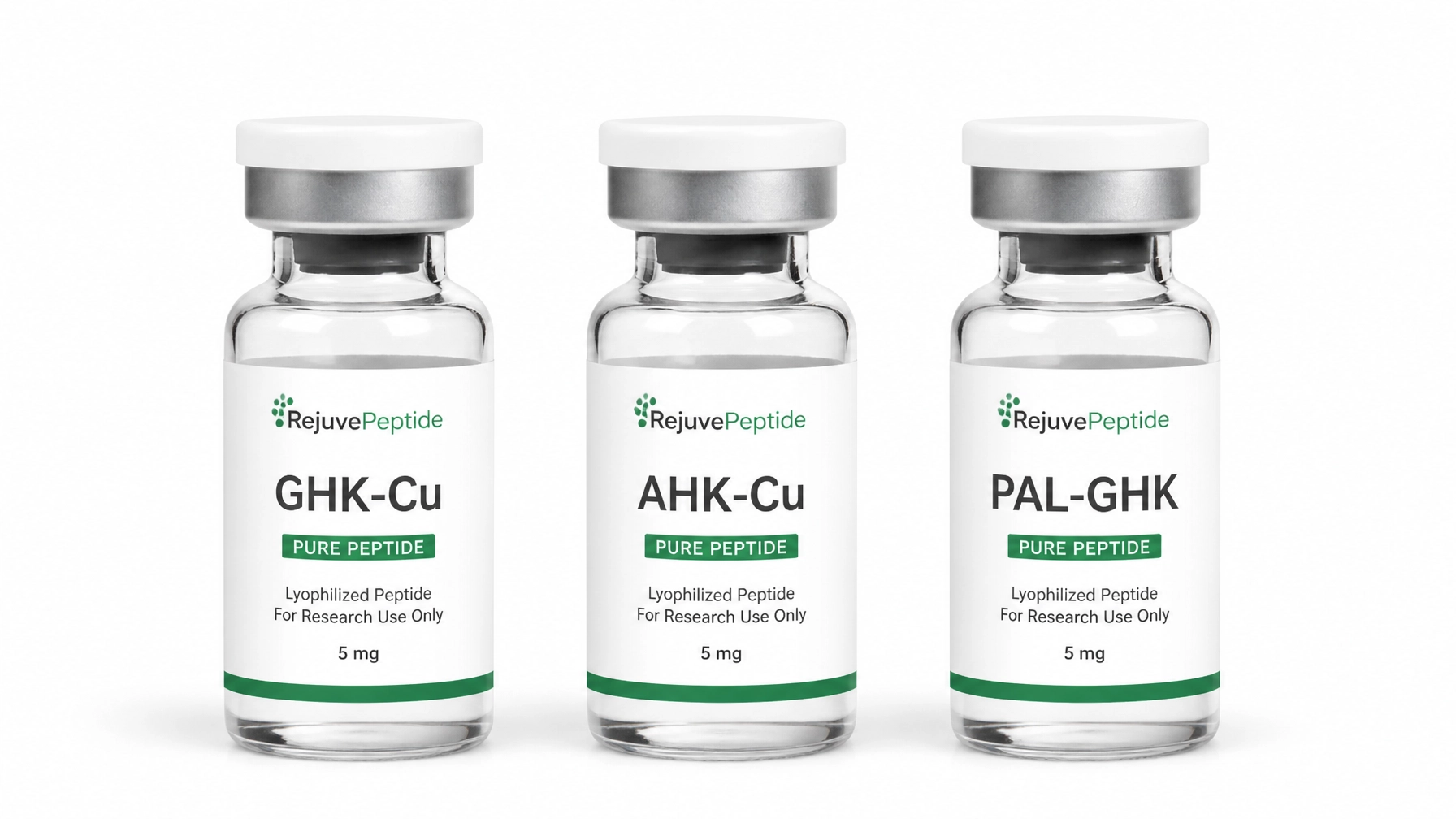
  • GHK-Cu vs AHK-Cu vs PAL-GHK: The Copper Peptide Showdown

    GHK-Cu vs AHK-Cu vs PAL-GHK: The Copper Peptide Showdown

    Welcome to the cutting edge of biological maintenance. If you have been exploring the world of biohacking or advanced skincare, you have likely run into the term "copper peptides." Think of your body as a high-performance building that has seen a few decades of wear and tear. Over time, the "blueprints" for repair get a bit dusty, and the "construction crew" starts taking longer lunch breaks.

    Copper peptides act like the ultimate construction foreman. They walk onto the job site, whistle for attention, and get the crew back to work repairing the foundation (collagen), fixing the plumbing (blood flow), and patching the roof (skin barrier).

    However, not all foremen are the same. In the "Copper Peptide Showdown," we are putting the three heavy hitters against each other: GHK-Cu, AHK-Cu, and PAL-GHK. You will learn exactly which one to hire for your specific biological goals, whether you are looking to reclaim your hairline or smooth out the results of a few too many Australian summers.

    GHK-Cu: The Versatile General Contractor

    GHK-Cu (Glycyl-L-Histidyl-L-Lysine Copper) is the original "Gold Standard" in this category. It is a naturally occurring tripeptide found in human plasma. Think of GHK-Cu as the general contractor who knows how to do everything: plumbing, electrical, and structural.

    The Problem: Global Biological Wear and Tear

    As we age, the concentration of GHK-Cu in our blood drops by more than 60%. This leads to slower wound healing, thinning skin, and a general decline in tissue regeneration. It is the biological equivalent of your building’s maintenance budget being slashed.

    The Solution: Broad-Spectrum Regeneration

    GHK-Cu is world-renowned for its ability to stimulate collagen and elastin. Consider collagen like the steel rebar in a concrete pillar; without it, the structure sags. GHK-Cu doesn't just "add" collagen; it signals your body to manufacture its own.

    Focus on these primary benefits:

    • Wound Healing: It accelerates the repair of damaged tissue by managing inflammation and promoting "clean" healing rather than scar tissue.
    • Anti-Aging: It reduces fine lines and improves skin density by tightening the "biological mesh" of the dermis.
    • Antioxidant Power: it acts as a shield, protecting your cells from UV damage and environmental pollutants.

    If you are looking for a "do-it-all" peptide that supports both skin health and systemic recovery, GHK-Cu is your foundational choice.

    Close up of copper peptide droplet and hair follicle illustration

    AHK-Cu: The Specialist Scalp Architect

    While GHK-Cu is a generalist, AHK-Cu (L-Alanine-L-Histidine-L-Lysine Copper) is a highly specialized specialist. Imagine a contractor who only works on high-end irrigation systems: specifically designed to keep the "grass" (your hair) green and growing.

    The Problem: The Receding "Garden"

    Hair thinning and loss often occur because the hair follicles: the roots of your hair: begin to shrink. This process, known as miniaturization, is like a garden bed running out of water and nutrients. The hair becomes thinner, shorter, and eventually stops growing altogether.

    The Solution: Follicle Vitality

    AHK-Cu was synthetically modified (swapping Glycine for Alanine) to specifically target the dermal papilla cells at the base of the hair follicle.

    Consider this mechanism:

    • VEGF Stimulation: AHK-Cu strongly upregulates Vascular Endothelial Growth Factor (VEGF). In plain English, it builds new "pipes" (capillaries) to deliver more blood and nutrients to the hair root.
    • Anagen Extension: It helps keep the hair in the "Anagen" (growth) phase for longer, preventing the premature "shedding" phase.

    If your primary frustration is thinning hair or a receding hairline, AHK-Cu is the architect you want designing your scalp recovery protocol.

    Deep Dive: How Copper Peptides Function

    To truly understand the "Showdown," you need to see the science in action. This video breaks down the core mechanisms of how these peptides interact with your biology.

    https://www.youtube.com/watch?v=R9K1G5D42lA

    PAL-GHK: The High-Tech Infiltration Expert

    You can have the best construction crew in the world, but if they can't get through the front gate, the job won't get done. This is the problem with many topical peptides: the skin is a very effective wall. This is where PAL-GHK (Palmitoyl-GHK) enters the frame.

    The Problem: The Barrier Wall

    Your skin’s primary job is to keep things out. Most peptides are "water-loving" (hydrophilic), meaning they struggle to pass through the "oil-loving" (lipophilic) outer layer of your skin. This results in poor absorption and wasted product.

    The Solution: Enhanced Delivery

    PAL-GHK is a "lipid-modified" version of GHK. By attaching a palmitic acid chain (a fatty acid) to the GHK peptide, scientists created a version that is essentially wearing a "disguise" that allows it to slip through the skin's oily defenses much more easily.

    Key advantages of PAL-GHK:

    • Superior Penetration: It infiltrates the deeper layers of the dermis where collagen production actually happens.
    • Stability: It is less likely to break down in a cream or serum compared to "raw" GHK-Cu.
    • Matrix Remodeling: It focuses heavily on the extracellular matrix (ECM), making it an elite choice for firming and wrinkle reduction.

    Man applying serum to skin illustrating biological optimization

    The Showdown: Which One Wins?

    Choosing between these three depends entirely on your specific "problem-solution" framework. Refer to the comparison table below to see how they stack up.

    Comparison Table: Copper Peptide Performance

    Feature GHK-Cu AHK-Cu PAL-GHK
    Primary Goal Total Skin & Tissue Repair Hair Growth & Scalp Health Deep Skin Penetration & Firming
    Best Used For Wound healing, UV repair, overall anti-aging Thinning hair, beard growth support Deep wrinkles, sagging skin
    Method Injection or Topical Topical (Scalp) Topical (Face/Neck)
    Analogy The General Contractor The Scalp Architect The Infiltration Expert
    Research Base Extensive / Gold Standard Targeted / Hair Specific Cosmetic / Delivery Focused

    The Australian Context: Safety and Maintenance

    In Australia, the pursuit of alternative medicine and "research peptides" must always be grounded in safety and legal compliance. Whether you are sourcing muscle growth support or skin regeneration tools, you must treat your biology with respect.

    Practical Safety Guidelines:

    1. Start Slow: Always perform a patch test if using topically. High concentrations of copper can occasionally cause "copper blues" (slight skin irritation) if overused.
    2. Cycle Your Use: Just like a car engine needs a rest, your receptors can become desensitized. A common protocol is 4-6 weeks of use followed by a 2-week break.
    3. Check the Source: Ensure you are getting high-purity research materials. At wlaustralia, we emphasize clinical clarity and high-resolution transparency in everything we do.

    Video: Copper Peptides for Hair Growth

    If you are leaning toward AHK-Cu for hair, this video provides a realistic look at what to expect and how to maximize your results in 2026 and beyond.

    https://www.youtube.com/watch?v=0kF6zH2kYnc

    Stacking for Synergy: The "Super Stack"

    Why choose just one? You can unlock even greater potential by creating a "synergy" stack. Think of this as a "relay team" where each peptide passes the baton to the next.

    • For the Face: Use GHK-Cu for overall repair and layer it with a PAL-GHK cream for deep penetration.
    • For the Scalp: Combine AHK-Cu with GHK-Cu in a scalp serum to provide both vascular support (AHK) and tissue regeneration (GHK).
    • For Recovery: Consider pairing your skin peptides with internal support like Epitalon to support systemic longevity.

    Diagram of PAL-GHK passing through a cell membrane

    Final Thoughts: Take Control of Your Biology

    The choice between GHK-Cu, AHK-Cu, and PAL-GHK is not about "better" or "worse": it is about "right tool for the right job."

    • Focus on GHK-Cu for the all-rounder approach.
    • Consider AHK-Cu if your hair is the priority.
    • Implement PAL-GHK if you want the highest-tech topical absorption.

    By understanding these "foremen" of your biological construction crew, you are no longer a passive bystander to the aging process. You are the site manager. Take control of your maintenance, follow the protocols, and build a better version of yourself.