Blog

  • Semax vs Noopept vs P21 vs FGL: The Ultimate Nootropic Comparison

    Semax vs Noopept vs P21 vs FGL: The Ultimate Nootropic Comparison

    Imagine your brain is a high-performance computer. On most days, you’re running twenty tabs, three background updates, and a video call all at once. Eventually, the fan starts whirring, the cursor lags, and you’re stuck staring at a "Loading…" icon while trying to remember why you walked into the kitchen.

    This mental "lag" is exactly what nootropic peptides are designed to solve.

    At wlaustralia, we see customers every day looking for that cognitive edge. Whether you're a student prepping for exams or a professional navigating a high-stress corporate ladder, the standard caffeine hit often isn't enough. You don't just need a temporary jolt; you need a system-wide upgrade.

    Today, we are diving deep into the "Big Four" of advanced nootropics: Semax, Noopept, P21, and FGL. You will learn how these compounds differ, which one fits your specific needs, and how to safely stack them for maximum synergy.


    The Foundation: Understanding Neurotrophic Factors

    Before we compare the products, we need to talk about the "software" they update. Most of these peptides work by increasing Brain-Derived Neurotrophic Factor (BDNF) and Nerve Growth Factor (NGF).

    Think of BDNF as "fertilizer" for your brain. It helps your neurons grow, survive, and form new connections. Without enough of it, your brain's "wiring" becomes brittle. With it, you unlock neuroplasticity: the ability for your brain to rewire itself and learn new skills faster.

    1. Semax: The High-Stakes Focus Specialist

    Semax is a synthetic analog of ACTH (Adrenocorticotropic Hormone). In plain English? It’s a peptide that tells your brain to enter a state of high-alert focus without the jittery "crash" of traditional stimulants.

    • The Problem: You’re feeling scattered, unmotivated, or overwhelmed by a massive workload.
    • The Solution: Semax modulates the dopamine and serotonin systems while simultaneously boosting BDNF.
    • Analogy: If your brain is a car engine, Semax is like high-octane fuel. It cleans the injectors and ensures every cylinder is firing perfectly, allowing you to maintain a high speed for hours without overheating.

    Key Benefits:

    • Intense Focus: Sharpens "operative memory": the ability to hold and manipulate information in real-time.
    • Stress Resilience: Protects the brain from the damaging effects of high cortisol and hypoxia (low oxygen).
    • Neuroprotection: Frequently used in research for stroke recovery and preventing cognitive decline.

    Focus on this: Semax is your "go-to" for acute performance. If you have a 12-hour project and need to stay in the "flow state," Semax is the specialist for the job.

    2. Noopept: The Memory Architect

    Noopept is perhaps the most famous name on this list. It is a proline dipeptide that is incredibly potent: roughly 1,000 times more concentrated than the original "racetams."

    • The Problem: You can’t remember names, you're forgetting your keys, and new information just won't "stick."
    • The Solution: Noopept works primarily by raising NGF and BDNF levels in the hippocampus, the brain’s "filing cabinet." It also supports Long-Term Potentiation (LTP), which is the process by which memories are strengthened over time.
    • Analogy: Imagine your memory is a massive library. Noopept is the librarian who organizes the shelves, repairs the torn pages, and ensures you can find any book the moment you need it.

    Key Benefits:

    • Memory Formation: Dramatically improves the ability to encode and recall information.
    • Clarity: Reduces the "brain fog" that comes with fatigue or aging.
    • Easy Access: Unlike many peptides that require refrigeration or specific administration, Noopept is widely available in convenient capsule forms.

    3. P21: The Learning Accelerator

    P21 is a newer, more advanced synthetic peptide that targets the CREB (cAMP Response Element-Binding protein) signaling pathway. CREB is a cellular "switch" that turns on the genes responsible for long-term memory and neurogenesis (the birth of new neurons).

    • The Problem: You are trying to learn a complex new skill (like a language or coding) and your brain feels "full."
    • The Solution: P21 promotes neurogenesis and increases the density of dendritic spines: the tiny branches on neurons that catch signals from other cells.
    • Analogy: If Semax is fuel and Noopept is a librarian, P21 is the construction crew. It literally builds more RAM (Random Access Memory) for your biological computer, increasing your total capacity for new data.

    Key Benefits:

    • Structural Growth: Promotes the physical growth of new neural pathways.
    • Deep Learning: Specifically studied for its ability to enhance the "consolidation" phase of learning.
    • Axonal Stability: Keeps the "long-distance cables" of your brain stable and efficient.

    4. FGL: The Plasticity Pioneer

    FGL is a fragment of the Fibroblast Growth Factor. It targets the NCAM (Neural Cell Adhesion Molecule) signaling pathway. This is the "glue" that allows neurons to stick together and form stable synapses.

    • The Problem: You feel "stuck" in old patterns or your cognitive recovery after an injury (like a concussion) has plateaued.
    • The Solution: FGL promotes synaptogenesis: the creation of brand-new connection points between neurons.
    • Analogy: FGL is like upgrading your house’s wiring from old copper to high-speed fiber optics. It strengthens the physical connections between your brain cells, making communication faster and more reliable.

    Key Benefits:

    • Synaptic Plasticity: Makes the brain more "moldable" and adaptable to change.
    • Connectivity: Enhances how different regions of the brain communicate with each other.
    • Repair: Shows significant promise in research regarding neurodegenerative conditions and brain trauma.

    Comparison Table: Which One Wins?

    Feature Semax Noopept P21 FGL
    Primary Goal Focus & Drive Memory & Clarity Learning & Repair Plasticity & Connectivity
    Mechanism BDNF, Dopamine BDNF, NGF CREB, Neurogenesis NCAM, Synaptogenesis
    Speed of Action Rapid (Minutes) Moderate (Days) Slow (Weeks) Moderate (Weeks)
    Best For "Crunch time" Daily maintenance Hard skill acquisition Recovery & Growth
    Form Nasal/Injectable Capsules/Nasal Injectable Injectable

    Stacking: The Path to Cognitive Synergy

    In the world of biology, 1 + 1 often equals 3. This is called synergy. When you stack these peptides correctly, you address cognitive health from multiple angles simultaneously.

    The "Ultimate Scholar" Stack

    • Noopept (Daily): To keep the "filing cabinet" organized.
    • P21 (Cycle): To build new neural "hardware" while you study.
    • Semax (As Needed): To provide the focus needed for deep work sessions.

    Take Control: Before starting any stack, always consult with a medical professional. While these peptides are highly targeted, your individual biology: and any existing medications: must be taken into account.

    Abstract visual of glowing neural pathways and synaptic connections
    Above: A conceptual look at how peptides like FGL and P21 enhance the connectivity of the human brain.


    Practical Safety and Local Context

    In Australia, the landscape for "research peptides" is specific. It is crucial to source your products from reputable suppliers who prioritize purity. Contaminated or under-dosed products can lead to inflammatory responses that negate the very benefits you're seeking.

    Maintenance Checklist:

    1. Storage: Most peptides are delicate. Keep them in a cool, dark place (refrigerated after reconstitution).
    2. Cycling: Don't stay on forever. Your brain needs time to find its own equilibrium. A common protocol is 4 weeks on, 2 weeks off.
    3. Hydration: Neurogenesis and high focus require water and electrolytes. Don't let your "engine" run dry.

    The Bottom Line

    There is no single "magic pill" for intelligence. However, by understanding the unique mechanisms of Semax, Noopept, P21, and FGL, you can build a customized strategy to unlock your brain's hidden potential.

    Whether you need the immediate focus of Semax or the long-term structural growth of P21, the goal is the same: Optimization.

    Are you ready to clear the fog and upgrade your biology? Check out our full range of Nootropics for Sale in Australia to start your journey.


    Watch: Understanding Nootropic Peptides

    [Video Placeholder: Mechanisms of BDNF and NGF in Cognitive Health]
    [Video Placeholder: How to Safely Reconstitute Peptides for Research]
  • The Super Stack: Can You Run a GLP-1 + GH Peptide + Healing Peptide + Nootropic Together?

    The Super Stack: Can You Run a GLP-1 + GH Peptide + Healing Peptide + Nootropic Together?

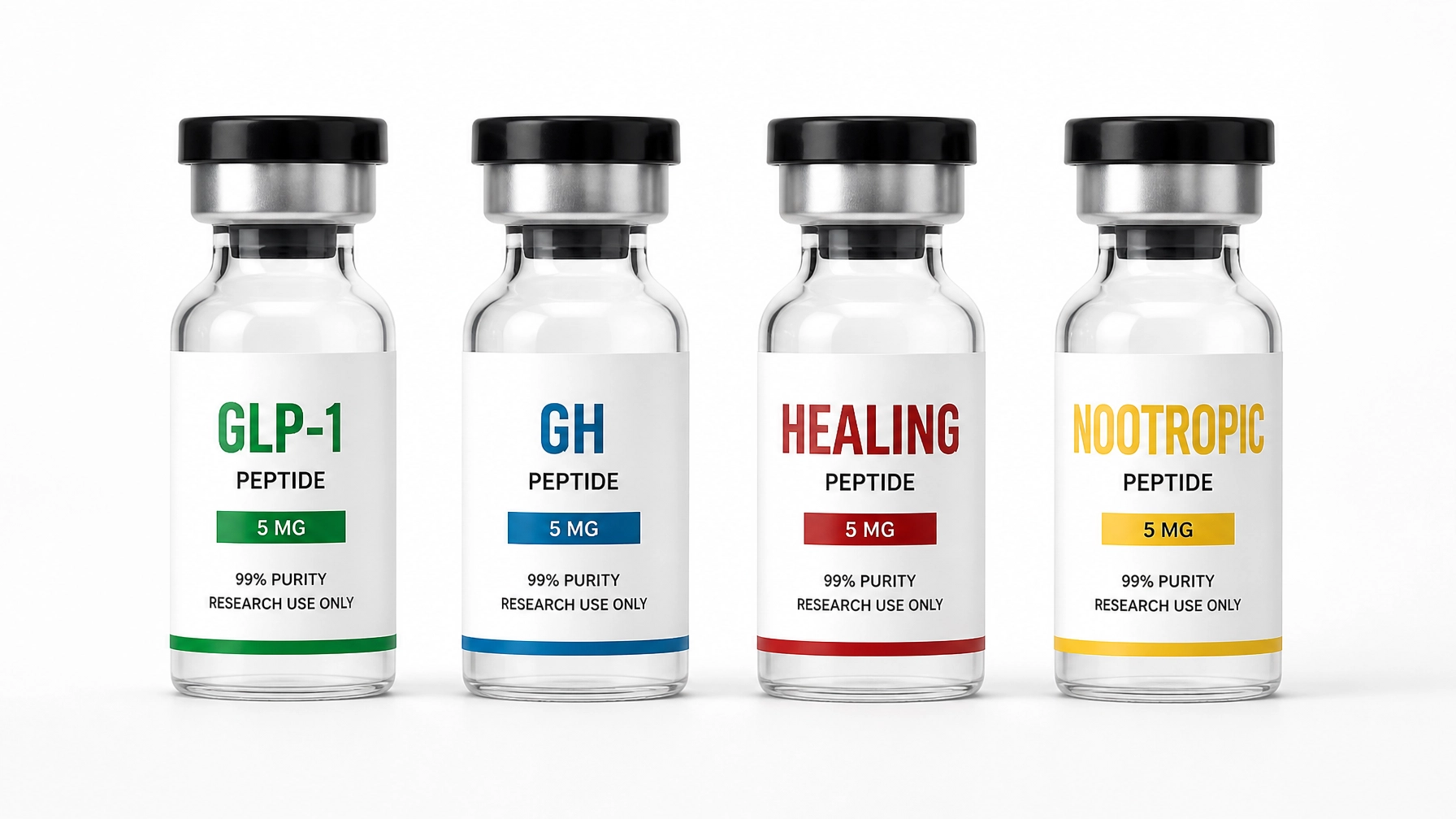
    You have reached the "pinnacle" of your biohacking journey. You aren't just looking for one-off improvements; you are looking for a systemic overhaul. You want the fat-burning efficiency of a high-performance engine, the muscle-building potential of a construction site on overdrive, the rapid repair of a Formula 1 pit crew, and the mental clarity of a supercomputer.

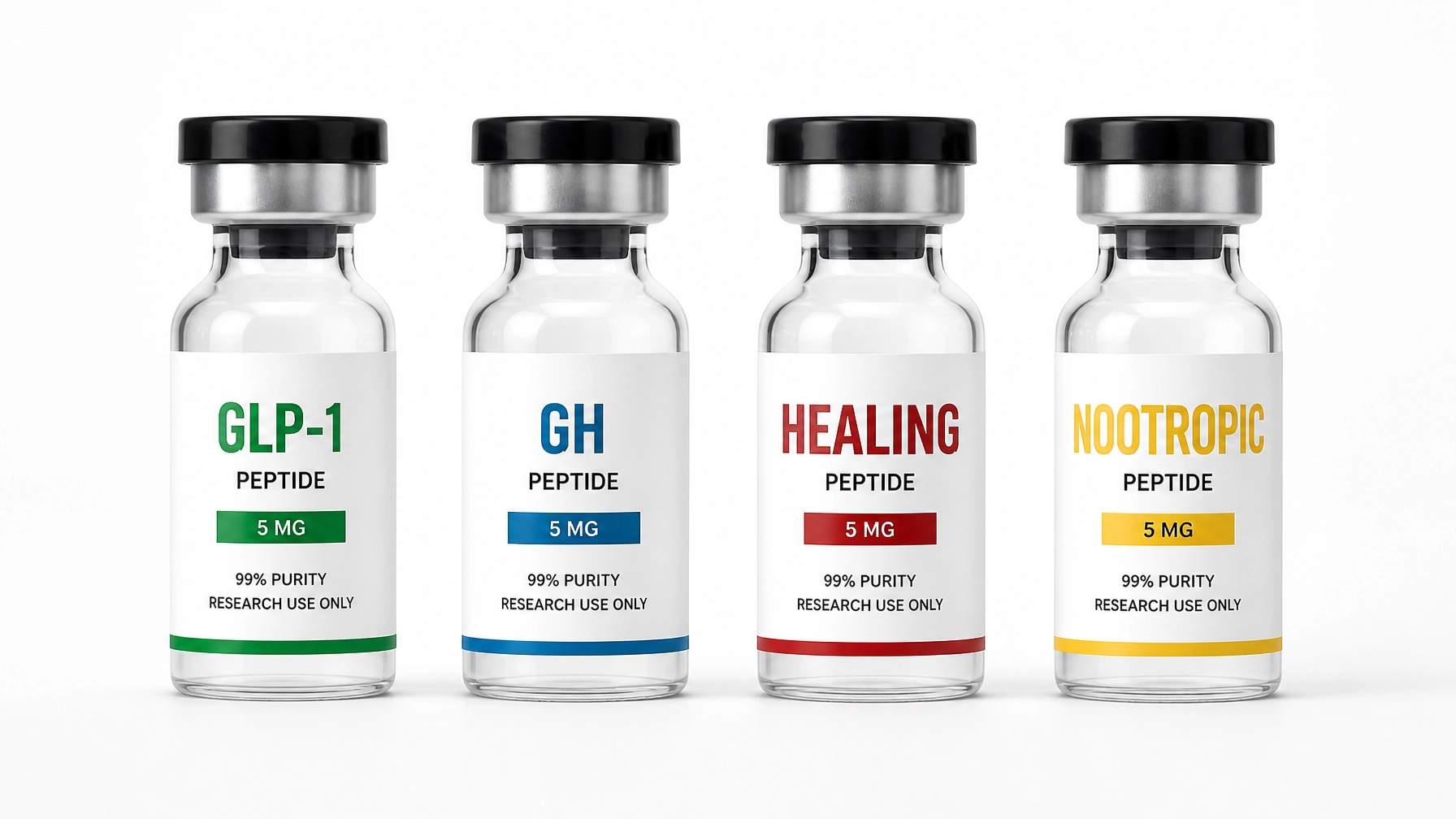
    In the world of advanced supplementation, this is known as the "Super Stack." It involves the simultaneous use of a GLP-1 agonist, a Growth Hormone (GH) secretagogue, a systemic healing peptide, and a potent nootropic.

    The short answer is yes, you can run them together. However, doing so requires more than just curiosity, it requires a strategic "blueprint." You must understand how these different biological "departments" interact to ensure you are unlocking potential rather than causing a system-wide brownout.


    The Four Pillars of the Super Stack

    To understand the synergy, think of your body as a major construction project. Each category of peptide serves a distinct role in the renovation.

    1. The Fuel Regulator: GLP-1 Agonists

    Problem: Stubborn fat, fluctuating blood sugar, and a "noisy" appetite that derails progress.
    Solution: GLP-1 (Glucagon-Like Peptide-1) Agonists like Tirzepatide or Semaglutide.

    Consider the GLP-1 as the project’s Resource Manager. It tells the body to stop over-ordering fuel (suppressing appetite) and ensures the fuel already in the warehouse (stored body fat) is used efficiently for energy. By slowing gastric emptying, the rate at which food leaves your stomach, it provides a steady, drip-feed of energy rather than chaotic spikes.

    2. The Site Foreman: GH Peptides

    Problem: Slower metabolism, loss of lean muscle mass, and lackluster recovery.
    Solution: GH Secretagogues like CJC-1295 and Ipamorelin.

    If the GLP-1 manages the fuel, the GH Peptide is the Site Foreman. It signals the pituitary gland to release natural Growth Hormone, which instructs the body to build and maintain lean tissue. While the GLP-1 is helping you lose weight, the GH peptide ensures that the weight you lose is fat, not the hard-earned muscle you’ve built in the gym.

    3. The Maintenance Crew: Healing Peptides

    Problem: Nagging joint pain, old injuries flaring up, and systemic inflammation.
    Solution: BPC-157 or TB-500.

    Even the best-managed construction site suffers wear and tear. Healing peptides act as the Rapid Response Maintenance Crew. BPC-157 (Body Protective Compound) works by promoting angiogenesis, the formation of new blood vessels, to bring nutrients to "dry" tissues like tendons and ligaments that usually heal at a snail's pace.

    4. The Central Control Tower: Nootropics

    Problem: Brain fog, lack of focus, and the mental fatigue that comes with a caloric deficit.
    Solution: Semax, Noopept, or P21.

    Finally, you have the Central Control Tower. Nootropics modulate neurotransmitters and increase Brain-Derived Neurotrophic Factor (BDNF), essentially "upgrading the software" of your brain. When you are stacking multiple physical-performance enhancers, the nootropic ensures your mental focus remains sharp enough to direct all that new physical energy effectively.

    A professional medical syringe and peptide vial on a sterile white background


    Synergistic Mechanisms: Why They Work Better Together

    When you combine these four categories, you create a biological environment called synergy. This is where the total effect is greater than the sum of its parts.

    • Metabolic-Anabolic Balance: GLP-1s can sometimes cause "flatness" or muscle loss because you are eating less. By adding a GH peptide, you protect your lean mass.
    • Inflammation Control: GLP-1s reduce systemic inflammation, while healing peptides like BPC-157 target localized structural damage. Together, they create an "anti-inflammatory shield" for your body.
    • Cognitive Resilience: Weight loss and intense training can be taxing on the CNS (Central Nervous System). Nootropics like Semax provide the neuroprotection needed to prevent the "burnout" often associated with high-level protocols.

    Timing and Half-Life Strategies: The "Pulse" Protocol

    You cannot simply take everything at once and hope for the best. You must respect the Half-Life (the time it takes for the concentration of a substance in your body to reduce by half) and the timing of your body's natural rhythms.

    The Morning "Spark" (Nootropics & Healing)

    Focus on your cognitive and repair foundation. Many users prefer administering nootropics like Semax in the morning to align with their peak productivity hours. Healing peptides like BPC-157 can also be administered here to support the day's physical activity.

    The Evening "Growth Pulse" (GH Peptides)

    Your body naturally releases the most growth hormone during deep sleep. Therefore, you should "pulse" your GH peptides (CJC-1295/Ipamorelin) at night, ideally on an empty stomach (2 hours after your last meal). This mimics your natural biological clock, providing a massive boost to recovery while you dream.

    The Weekly "Anchor" (GLP-1)

    Most modern GLP-1s like Tirzepatide have a long half-life and only require once-a-week administration. This acts as the metabolic anchor for your entire stack, keeping your appetite and blood sugar stable throughout the week.

    Peptide Category Recommended Timing Frequency Primary Goal
    GLP-1 (Tirzepatide) Same day/time each week Weekly Fat Loss / Metabolic Health
    GH Peptide (Ipamorelin) Before Bed (Empty Stomach) Daily (5 days on/2 off) Muscle Retention / Sleep
    Healing (BPC-157) Morning or Post-Workout Daily Injury Repair / Gut Health
    Nootropic (Semax) Morning Daily (as needed) Focus / Neuroprotection

    Safety, Maintenance, and The Australian Context

    While the Super Stack is powerful, it is not a "set and forget" system. You must act as the Systems Engineer for your own biology.

    Monitor Your Baseline: In Australia, we have access to high-quality pathology labs. Before starting a Super Stack, you must get a baseline blood panel. Focus on your HbA1c (blood sugar), IGF-1 (growth hormone marker), and liver/kidney function.

    Hydration and Electrolytes: GLP-1s can suppress thirst as well as hunger. If you are not careful, you will become dehydrated, which can lead to "brain fog", ironically cancelling out the benefits of your nootropics. Consider your hydration a non-negotiable part of the protocol.

    Start Low, Go Slow: Do not jump into the deep end. Introduce your "anchor" (the GLP-1) first. Once your body has adjusted to the metabolic shift, introduce the GH peptide. Only when you are stable should you add the healing and nootropic elements. This incremental approach allows you to identify exactly how each substance is affecting you.

    Peptide vials and oral capsules arranged on a clinical surface


    Potential Interactions to Watch For

    While these peptides generally target different receptors, there are a few "interference patterns" to keep in mind:

    1. Gastric Emptying vs. Oral Nootropics: If you are taking an oral nootropic (like Noopept capsules), be aware that the GLP-1 will slow down how fast that capsule is absorbed. You may find that the effects take longer to "kick in" than they used to.
    2. Blood Sugar Levels: Both GLP-1s and certain nootropics can affect glucose metabolism. If you feel shaky or lightheaded, check your blood sugar. Always keep a fast-acting carbohydrate source (like a piece of fruit) nearby.
    3. The "GH Flush": CJC-1295 can sometimes cause a temporary redness or "flushing" of the face. This is a common vasodilation response and usually subsides in 10–20 minutes.

    Expert Insights and Protocols

    To help you visualize how these stacks are implemented in the real world, consider these educational resources:

    Video 1: Mastering the Peptide Stack

    [Insert YouTube Video: "How to Stack Peptides for Maximum Performance" – A guide on combining different classes of peptides safely.]

    Video 2: The Science of GLP-1 and Muscle Sparing

    [Insert YouTube Video: "Preventing Muscle Loss on Semaglutide/Tirzepatide" – Exploring the use of GH secretagogues alongside weight loss agents.]


    Conclusion: Take Control of Your Biology

    The Super Stack is more than just a collection of supplements; it is a sophisticated method for re-engineering your physical and mental state. By balancing metabolic control with anabolic support, structural repair, and cognitive enhancement, you are essentially providing your body with the tools it needs to function at an "optimal" rather than just a "normal" level.

    However, with great power comes great responsibility. Ground your speculative biohacking in a sense of duty to your health. Always prioritize safety, consult with medical professionals, and source your research materials from reputable Australian suppliers.

    Are you ready to unlock your potential? Start by defining your goal, choosing your anchor, and building your stack one brick at a time.

    A professional medical kit with syringes and vials laid out symmetrically

  • Post-Cycle Therapy 101: How to Restore Your HPTA with Kisspeptin, Gonadorelin, and Enclomiphene

    You’ve finished your cycle. The gains are there, the mirror looks good, but internally, the engine has stalled. This is "The Crash": that dreaded period where your energy dips, your mood sours, and your hard-earned progress feels like it’s slipping through your fingers.

    The reason is simple: your Hypothalamic-Pituitary-Testicular Axis (HPTA) has gone on holiday. When you introduce external hormones (like SARMs or peptides) into your system, your body’s internal sensors detect the high levels and decide to stop producing its own. It’s a safety mechanism, like a circuit breaker that flips during a power surge.

    To get the lights back on, you need more than just "time off." You need a structured Post-Cycle Therapy (PCT). In this guide, you will learn how a synergistic trio: Kisspeptin-10, Gonadorelin, and Enclomiphene: acts as a biological jump-start to restore your natural testosterone production and stabilize your biology.

    Understanding the HPTA: The Body’s Biological Thermostat

    Think of your HPTA as a sophisticated thermostat in a high-end home.

    • The Hypothalamus is the thermostat on the wall; it senses the temperature (hormone levels).
    • The Pituitary Gland is the control wire that sends a signal to the furnace.
    • The Testes are the furnace itself, producing the heat (Testosterone).

    When you are "on-cycle," the room is already hot because of external sources. The thermostat sees this and shuts off the signal to the furnace. Once the cycle ends, the room cools down, but the thermostat is stuck. It doesn't realize it needs to flip the switch back on.

    PCT is the act of manually resetting that thermostat.

    A clean, professional diagram representing the HPTA axis. Simple icons represent the Hypothalamus, Pituitary Gland, and Testes. Arrows show the flow of signals (GnRH, LH, FSH) in a circular feedback loop. The background is white with subtle grey and green brand accents, maintaining a clinical and informational tone.

    The Synergistic Trio: Your Recovery Team

    Instead of relying on a single compound, we use a tiered strategy. Each player in this stack has a specific role in the relay race of hormonal recovery.

    1. Kisspeptin-10: The Spark

    Kisspeptin-10 is the "master switch" located in the hypothalamus. It is the signal that tells the body to start the entire process. Without Kisspeptin, the rest of the chain doesn't even know it's time to work. In our PCT protocol, it acts as the initial spark that clears the "fog" in the brain's hormonal control centre.

    2. Gonadorelin: The Messenger

    If Kisspeptin is the spark, Gonadorelin is the loud, clear message. It is a synthetic version of Gonadotropin-Releasing Hormone (GnRH). It travels directly to the pituitary gland and demands the release of Luteinizing Hormone (LH) and Follicle-Stimulating Hormone (FSH). These are the "marching orders" that tell your testes to get back to work.

    3. Enclomiphene: The Guardian

    While the first two "push" the system from the top down, Enclomiphene works by tricking the thermostat. It blocks estrogen receptors in the brain, making the body think estrogen levels are low. This forces the hypothalamus to keep pumping out signals, ensuring the recovery doesn't stall once you stop the peptides.

    The Protocol: A Two-Phase Approach

    Restoring a complex biological system requires timing. You wouldn't throw a high-performance engine into gear without warming it up first. Consider this two-phase strategy for optimal HPTA restoration.

    Phase 1: The Kickstart (Weeks 1-4)

    Focus: Immediate re-activation of the signalling pathway.

    In this phase, we use the "top-down" approach to wake up the pituitary and testes.

    • Gonadorelin: 150mcg daily (administered via subcutaneous injection).
    • Kisspeptin-10: 100mcg daily (administered via subcutaneous injection).

    By using these together, you are hitting the system with both the "spark" and the "marching orders" simultaneously. This helps prevent the common post-cycle "dip" in libido and energy.

    Phase 2: The Maintenance (Weeks 1-8)

    Focus: Sustaining the signal and preventing a relapse.

    While Phase 1 provides the initial surge, Phase 2 ensures the body stays in "production mode."

    • Enclomiphene: 12.5mg daily (oral capsule).

    Note that Enclomiphene starts on Day 1 of your PCT and continues for the full 8 weeks. This overlaps with the peptides in the first month to provide a "safety net" while your natural GnRH pulsatility stabilizes.

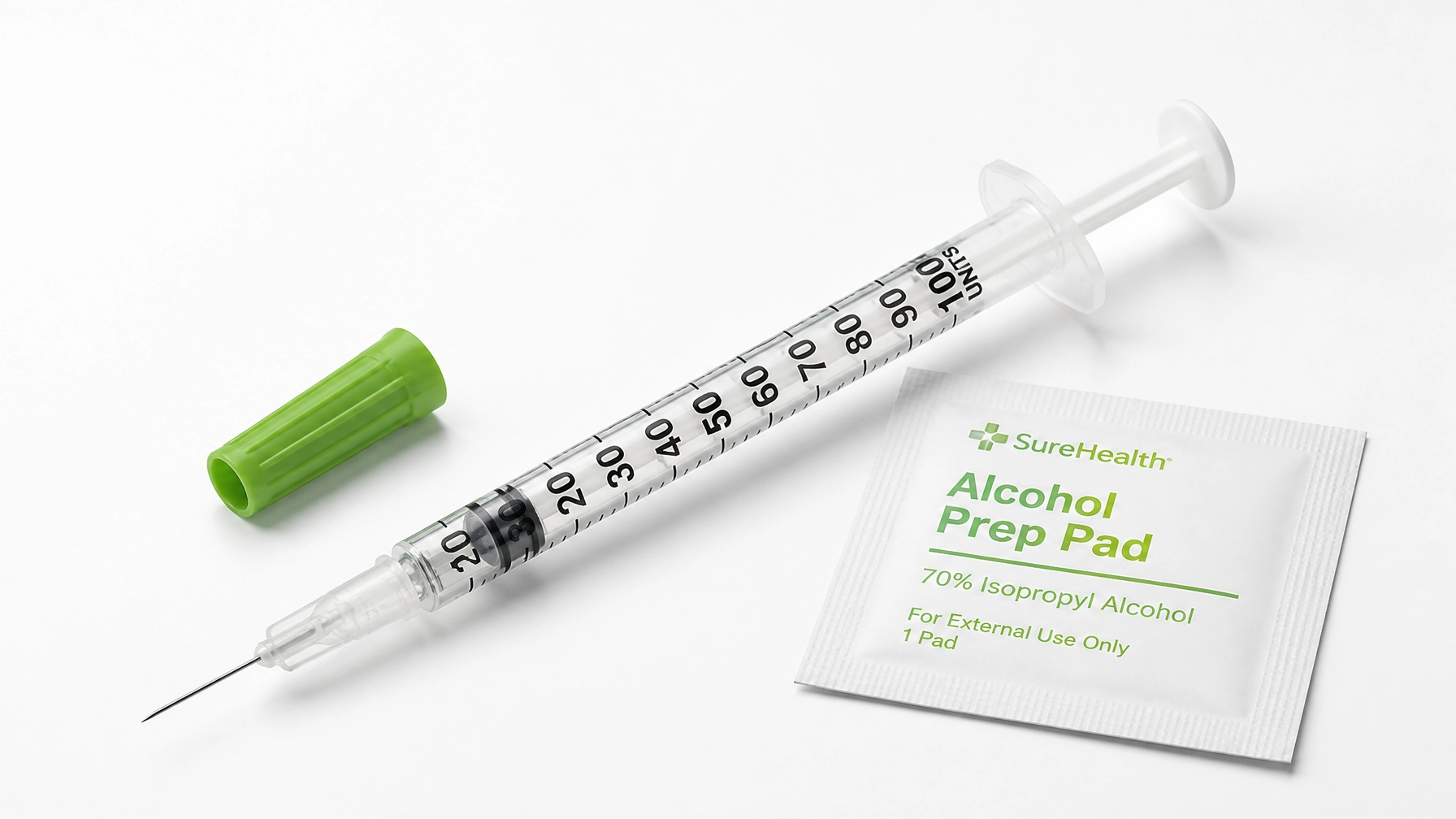
    A realistic close-up photograph of a professional medical setup. A single glass vial of clear liquid sits next to a small, fine-gauge insulin syringe and an alcohol prep pad on a clean white surface. The lighting is bright and even, highlighting the clear textures of the glass and the metallic needle. The style is clinical, direct, and focused on the practical reality of administration.

    Safety, Liver Support, and Maintenance

    Recovering your testosterone is only half the battle. Your internal organs, particularly your liver, have likely been under stress if you were using oral SARMs or other compounds.

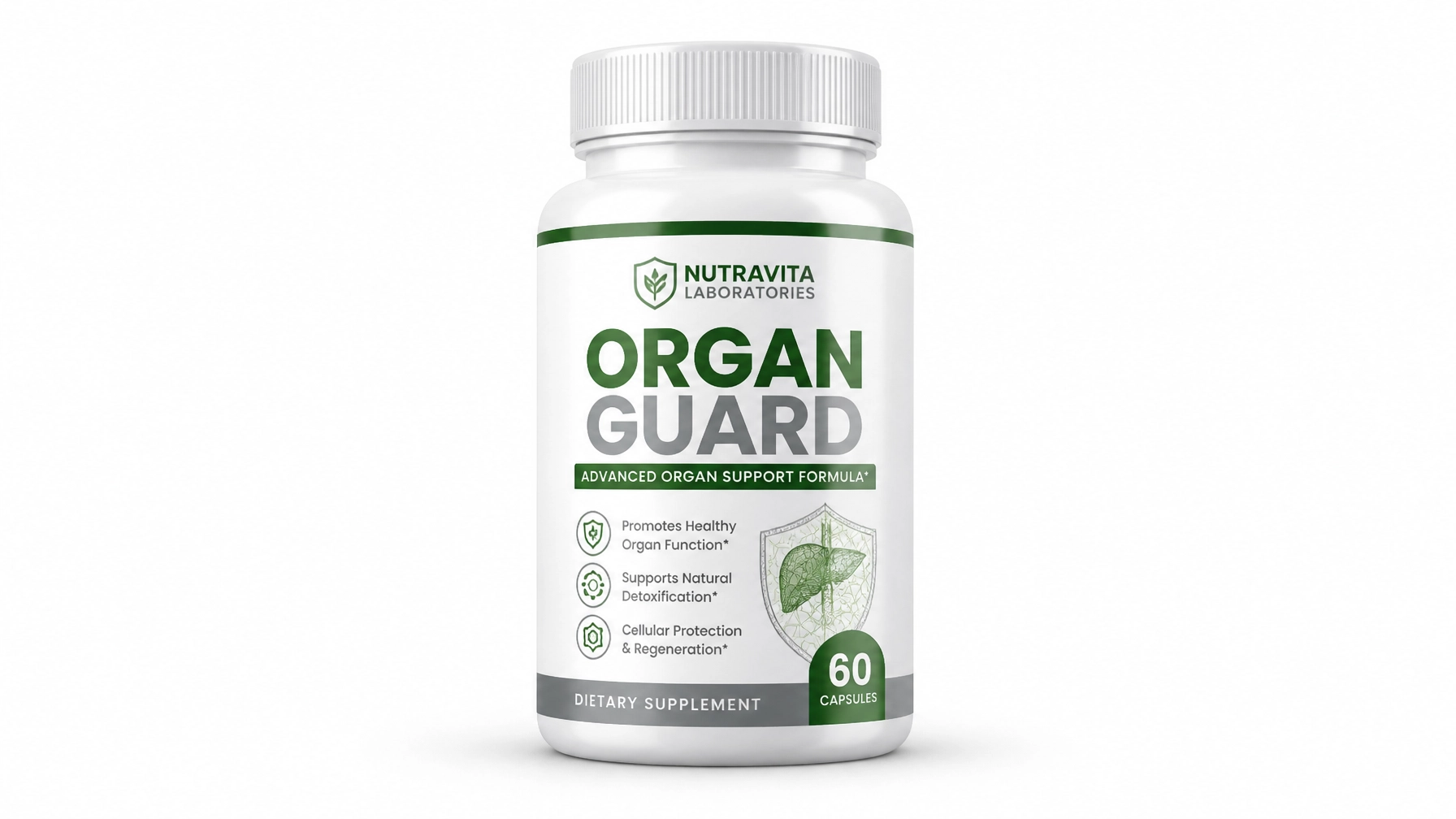
    Consider this: You wouldn't finish a grueling off-road race and ignore the oil filter. You need to clean the system. We highly recommend stacking your PCT with a comprehensive Organ Guard supplement to support liver enzymes and cardiovascular health during the transition.

    Practical Tips for Success:

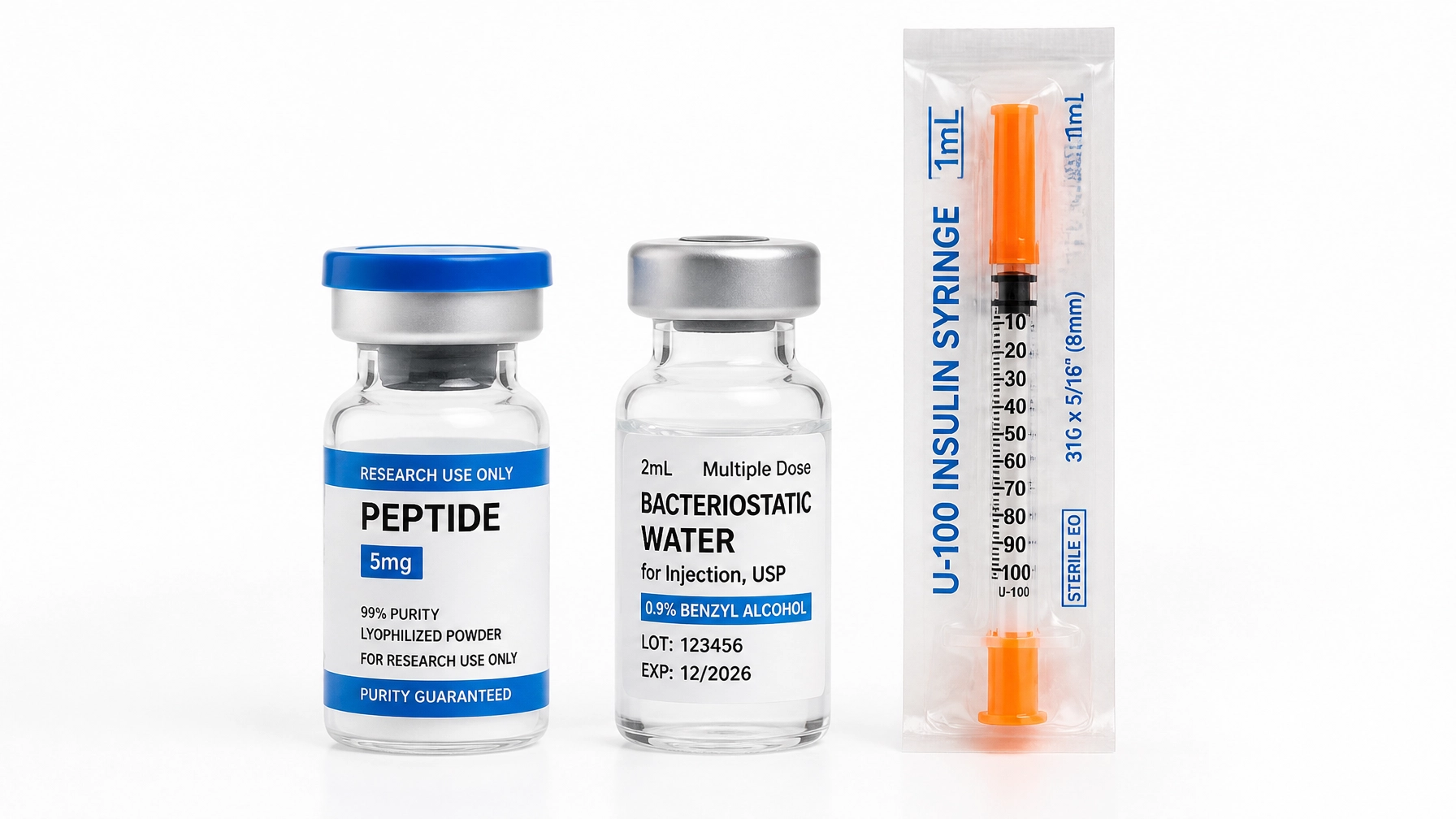
    • Reconstitution: Always use Bacteriostatic Water for your peptides to ensure sterility. Learn more about lab supplies here.
    • Storage: Keep your reconstituted Kisspeptin and Gonadorelin in the fridge. Heat is the enemy of peptide stability.
    • Bloodwork: The only way to truly know if your HPTA is restored is through a blood panel. Focus on LH, FSH, Total Testosterone, and Estradiol.

    Video Guide: Reconstitution and Administration

    To ensure you are handling these delicate compounds correctly, watch these instructional guides.

    Video 1: How to Reconstitute Your Peptides Safely
    [Placeholder: Link to YouTube Video on Reconstitution]

    Video 2: Subcutaneous Injection Technique for Beginners
    [Placeholder: Link to YouTube Video on Injection Technique]

    The Australian Landscape: Research and Responsibility

    In the context of Australia/Sydney regulations in 2026, it is vital to remember that these compounds are intended for research and therapeutic oversight. Always consult with a medical professional before starting a PCT protocol. While the goal is to "unlock" your biology and take control of your recovery, doing so responsibly ensures long-term health and legal compliance.

    A high-resolution, realistic lifestyle photograph of a healthy man in his late 30s. He is dressed in casual, clean athletic wear, looking into the distance with a clear expression of vitality and focus. The background is a bright, airy modern home gym or clinic space. The image conveys a sense of successful recovery and optimized health.

    Summary: Take Control of Your Biology

    Post-Cycle Therapy isn't an "option": it's a requirement for anyone serious about their health. By using the synergy of Kisspeptin (the spark), Gonadorelin (the signal), and Enclomiphene (the guardian), you provide your body with the tools it needs to flip the circuit breaker back on.

    Ready to start your recovery? Explore our full range of muscle growth peptides and hormone support capsules to ensure your next cycle ends as strongly as it began.


  • Liver Protection While Using SARMs and Peptides: How Organ Guard Keeps You Safe

    Liver Protection While Using SARMs and Peptides: How Organ Guard Keeps You Safe

    Think of your liver as the ultimate high-performance oil filter in a racing car. Day in and day out, it processes everything you consume, neutralizing toxins and keeping your internal "engine" running smoothly. However, when you introduce performance-enhancing compounds like SARMs (Selective Androgen Receptor Modulators) or certain peptides, you aren't just driving on the highway anymore: you’re redlining the engine on a professional track.

    You will learn how these compounds affect your biology, why "biological friction" occurs, and how a structured protection protocol using Organ Guard can ensure your liver stays as resilient as the day you started your journey.

    The Problem: When the Filter Clogs (SARM-Induced Stress)

    While SARMs are often touted for their ability to target muscle and bone tissue specifically, they still undergo a process called first-pass metabolism. This means they hit your liver before entering the rest of your system.

    Imagine a massive construction site where the delivery trucks (SARMs) are constantly arriving. If the site managers (your liver cells) can’t process the deliveries fast enough, the site becomes cluttered, stressed, and eventually, the machinery breaks down.

    In clinical terms, this is known as hepatotoxicity. A significant PMC study on SARM liver injury has documented cases of "drug-induced liver injury" (DILI), specifically presenting as cholestasis.

    Focus on this definition:

    • Cholestasis: A condition where bile flow from the liver stops or slows, leading to a buildup of bile acids that can irritate and damage liver tissue.

    If you don't manage this "waste management" system effectively, you risk elevated liver enzymes (ALT and AST), jaundice (yellowing of the skin), and prolonged recovery times that stall your progress.

    The Solution: The "Maintenance Crew" Inside Organ Guard

    To prevent the biological "clogging" described above, you need more than just one ingredient. You need a synergistic team of compounds that protect, repair, and flush the system simultaneously. This is where Organ Guard becomes your most valuable asset on-cycle.

    Realistic medical illustration of a healthy liver with a protective green shield

    Organ Guard is formulated specifically for those using muscle growth capsules and peptides. Let’s break down the "Big Three" in its formula:

    1. TUDCA (300mg): Tauroursodeoxycholic Acid. Think of TUDCA as a high-pressure hose that flushes out stagnant bile. It is a water-soluble bile acid that helps dissolve the "gunk" (toxic bile acids) that causes cholestasis.
    2. NAC (300mg): N-acetylcysteine. This is the precursor to Glutathione, your body’s "Master Antioxidant." It acts like a repair crew that patches up damaged liver cells (hepatocytes) and neutralizes oxidative stress.
    3. Milk Thistle (280mg): Specifically standardized for Silymarin. It strengthens the outer walls of liver cells, making it harder for toxins to penetrate and cause damage.

    Consider this logic: While one ingredient might help, the combination of all three creates a fortress effect. Organ Guard also includes Dandelion Root and Artichoke for natural diuretic and bile support, alongside SAMe and Curcumin to reduce systemic inflammation.


    The 3-Phase Liver Protection Protocol

    Safety isn't just about what you take during a cycle; it’s about how you prepare and how you recover. Follow this tiered strategy to unlock your full potential while maintaining peak health.

    Phase 1: Pre-Cycle Preparation (2 Weeks)

    Before you even touch a SARM or peptide, you must prime your filter. You wouldn't take a car to a race with a dirty filter, would you?

    • Goal: Maximize Glutathione levels and strengthen cell membranes.
    • Supplements: Start taking NAC and Milk Thistle (Silymarin).
    • Action: Focus on hydration. Aim for 3–4 liters of water daily to assist in waste transport.

    Phase 2: On-Cycle Fortification

    This is the "high-heat" phase where your liver is working overtime.

    • Goal: Maintain bile flow and prevent enzyme spikes.
    • Protocol: Take Organ Guard daily as directed.
    • Synergy: If you are using specialized peptides, consider adding Phosphatidylcholine to your diet to further support the structural integrity of your liver cell walls.
    • Avoidance: Eliminate alcohol and high-dose acetaminophen (Panadol) during this time. Your liver is already busy; don't give it extra chores.

    Flat-lay photography of capsules and water representing daily liver maintenance

    Phase 3: Post-Cycle Restoration (4–8 Weeks)

    The cycle is over, but the "debris" from the construction site still needs to be cleared.

    • Goal: Repair cellular damage and return enzymes to baseline.
    • Protocol: Continue Organ Guard for at least 4 weeks post-cycle.
    • Monitoring: Get blood work done (a Liver Function Test or LFT) to ensure your ALT, AST, and Bilirubin levels have returned to their normal ranges.

    Visualizing the Impact: Why TUDCA is Non-Negotiable

    If you are using SARMs like RAD-140 or LGD-4033, TUDCA is your insurance policy. Without it, bile can become "sludgy," leading to the discomfort and health risks mentioned in the PMC studies.

    [VIDEO PLACEHOLDER: How TUDCA Protects the Liver During a Cycle]
    [VIDEO PLACEHOLDER: Interpreting Your Liver Blood Work Results]

    Comparison: Standard Support vs. Organ Guard

    Feature Standard "Liver Support" Organ Guard Formula
    Primary Focus Often just Milk Thistle Multi-faceted (TUDCA + NAC + Milk Thistle)
    Bile Flow Minimal High (300mg TUDCA)
    Antioxidant Support Low High (300mg NAC + SAMe + Glutathione)
    Inflammation Control None Curcumin & Artichoke included

    Safety and Local Context in Australia

    In Australia, the fitness and research community is highly proactive about safety. While SARMs are used for research purposes, the physical toll they take on human biology is universal. Regional environmental factors: like our hot summers: can exacerbate dehydration, making liver stress even more acute.

    Take control of your biology. Do not wait for symptoms like fatigue or dark urine to appear. By the time you notice these, the "filter" is already significantly clogged.

    Health professional holding a supplement bottle on a clean white background

    Summary Checklist for a Safe Cycle

    • [ ] Get baseline blood work (Liver Function Test) before starting.
    • [ ] Order your Organ Guard 2 weeks before your cycle begins.
    • [ ] Stay consistent with dosing: don't skip days.
    • [ ] Re-test your levels 4 weeks after your cycle ends.

    Your journey toward optimization should never come at the expense of your long-term health. By implementing a professional-grade protection protocol, you ensure that your body remains a clean, efficient, and powerful machine ready for the next challenge.


  • Peptide Cycling: Why You Shouldn’t Stay On Forever (And How to Cycle Properly)

    You’ve likely heard the phrase "more is better," but when it comes to high-level biology, that’s a dangerous shortcut. Imagine trying to drive your car from Sydney to Perth without ever stopping for fuel, an oil change, or to let the engine cool down. You might make it halfway, but eventually, the hardware will fail.

    Peptides, short chains of amino acids that act as biological messengers, work in a similar way. They are the "signals" that tell your cells to repair tissue, burn fat, or release growth hormones. However, if you keep that signal "on" indefinitely, your body eventually stops listening. This is the fundamental reason why cycling, the practice of taking planned breaks from your supplements, is not just a recommendation; it is a biological necessity for long-term success.

    In this guide, you will learn why receptor desensitization is the enemy of progress, how to preserve your natural hormone production, and the specific cycle lengths for the most popular peptides on the market today.

    The Problem: The "Diminishing Returns" Trap

    Think of your cellular receptors like a doorbell. The first time someone rings it (the peptide signal), you hear it clearly and answer the door (the biological response). If that person leans on the doorbell and never lets go, eventually, you’re going to put on noise-canceling headphones and ignore it entirely.

    In scientific terms, this is called receptor desensitization or downregulation.

    When you saturate your system with a peptide for too long, your cells "hide" their receptors to protect themselves from overstimulation. The result? You keep spending money on high-quality products like Retatrutide, but your body simply stops responding. You hit a plateau, and your "ROI" (Return on Investment) for your health journey plummets.

    The Solution: Strategic Recovery. By implementing "off-periods," you allow your receptors to "reset" and become sensitive again. This ensures that every dose you take is as effective as the first.


    Growth Hormone (GH) Secretagogues: The 12-Week Threshold

    Peptides like Ipamorelin and CJC-1295 are known as GH Secretagogues (GHS). They don't replace your growth hormone; they signal your pituitary gland to release its own.

    The Strategy: 8–12 Weeks On, 4–8 Weeks Off

    Research indicates that pituitary responsiveness begins to decline after about 4 weeks of continuous daily use. By the 12-week mark, your receptors are often significantly desensitized.

    • Focus on: Running your cycle for a maximum of 3 months.
    • The Reset: You must take at least 4 to 8 weeks off. This "off" period is where your pituitary gland "re-sensitizes," ensuring that when you start your next cycle, the GH pulses are strong and effective.

    The "Micro-Cycle": 5 Days On / 2 Days Off

    To further delay desensitization, many advanced users in Australia adopt a "micro-cycling" rhythm. You take your doses from Monday to Friday and take Saturday and Sunday off. This 48-hour "weekend break" gives your receptors a mini-reset every single week, potentially allowing you to extend your 12-week cycle with better results.

    A professional medical calendar showing a 5-days-on, 2-days-off schedule for peptide administration, clean white background, minimalist clinical style.


    Healing Peptides (BPC-157 & TB-500): The Construction Site Analogy

    If your body is a construction site, BPC-157 (often paired with Vilon for systemic support) and TB-500 are the elite repair crews. You don’t need a repair crew living in your house forever, you only need them until the roof is fixed.

    The Strategy: 4–8 Weeks (Targeted Use)

    Unlike GH peptides, healing peptides are generally used until the injury or inflammation has resolved.

    • Protocol: Most users run these for 4 to 8 weeks.
    • The Stop Sign: Once the "site" is repaired (your tendon is healed or your gut inflammation has subsided), you stop. Staying on these indefinitely doesn't provide "extra" healing; it simply increases the risk of your body becoming overly accustomed to the exogenous (external) signal.

    Pulse Summary: Use it, fix the problem, and get out. Don't let the repair crew overstay their welcome.


    Cognitive & Nootropic Peptides: Brain Maintenance

    Cognitive enhancers (like those found in our Nootropics category) are like high-octane fuel for your brain’s "engine." However, the brain is incredibly sensitive to maintaining homeostasis, its internal balance.

    The Strategy: 2–4 Weeks On / 2–4 Weeks Off

    Peptides that influence neuroplasticity or neurotransmitter levels require shorter, sharper cycles.

    • Why? Continuous use can lead to "brain fog" as the brain tries to balance the artificial boost by turning down its own natural production of focus-related chemicals.
    • The Rhythm: A common protocol is 2 weeks of use followed by 2 weeks of total rest. This keeps the "spark" alive without causing long-term dependency.

    The Exception: GLP-1 Agonists (Weight Loss)

    There is one major exception to the "must-cycle" rule: GLP-1 receptor agonists like Semaglutide or Retatrutide.

    The Strategy: Continuous Use (Maintenance)

    Because these peptides are often treating metabolic dysregulation (like insulin resistance or chronic obesity), they are typically used continuously.

    • Consider this: Much like blood pressure medication, if you stop the "signal," the underlying metabolic issue may return.
    • The Caveat: While cycling off isn't standard, "titrating" (adjusting the dose) is vital. You should always work with a guide to find the minimum effective dose to maintain your progress without over-saturating your system.

    Summary Table: Peptide Cycling at a Glance

    Peptide Type Example Products Typical Cycle Length Off-Period Micro-Cycling (5/2)
    GH Secretagogues Ipamorelin, CJC-1295 8–12 Weeks 4–8 Weeks Recommended
    Healing BPC-157, TB-500 4–8 Weeks Until next injury Optional
    Cognitive Semax, Noopept 2–4 Weeks 2–4 Weeks Not usually
    Metabolic (GLP-1) Semaglutide Continuous N/A No

    Safety, Legal Compliance, and the Australian Context

    In the Australian landscape of 2026/2027, the regulation of peptides for research purposes remains stringent. At wlaustralia, we emphasize that these protocols are intended for educational and research optimization.

    Maintenance and Storage

    Proper cycling is only half the battle. If your peptides degrade due to poor storage, the "signal" you’re sending is garbled and weak.

    • Keep it cool: Always store your reconstituted vials in a stable, refrigerated environment (2°C to 8°C).
    • Protect the light: Use amber vials or keep your storage box closed. Light is the "rust" that degrades peptide chains.

    A realistic, close-up photo of a professional laboratory refrigerator drawer containing neatly organized peptide vials, maintaining a clinical and high-standard storage environment.

    Take Control of Your Biology

    Cycling is the "safety valve" of your health optimization journey. It prevents your body from becoming lazy, saves you money by preventing wasted product, and ensures that when you do use a peptide, your cells are "hungry" for the signal.

    Your Action Plan:

    1. Audit your current stack: Are you over the 12-week mark on your GH peptides?
    2. Plan your "off" dates: Mark them on your calendar today.
    3. Optimize your recovery: Use your off-cycle time to focus on foundational health: sleep, hydration, and nutrition.

    By respecting the biological "on/off" switch, you unlock the true potential of alternative medicine. Stay sharp, stay safe, and keep your receptors ready for the next level of performance.


    Watch: The Science of Receptor Downregulation

    (Video Placeholder: Understanding how cells become "deaf" to hormones)

    Watch: How to Transition to a 5/2 Micro-Cycle

    (Video Placeholder: Practical tips for weekend breaks and maintaining progress)

  • The Complete Peptide Dosing Guide: From Beginner to Advanced Protocols

    The Complete Peptide Dosing Guide: From Beginner to Advanced Protocols

    Navigating the world of peptides can feel like being handed the blueprints to a high-performance sports car without an owner’s manual. You know the potential for power and precision is there, but if you don’t know how to tune the engine, you aren't going anywhere fast.

    In the realm of bio-optimization, dosing is your volume knob. Turn it too low, and you won’t hear the music. Turn it too high, too fast, and you risk blowing out the speakers. Whether you are looking into Retatrutide for metabolic health or Vilon for cellular longevity, understanding the math behind the needle is the most critical skill you can develop.

    In this guide, you will learn how to master the "reconstitution math," avoid the most common beginner pitfalls, and graduate to advanced stacking protocols with confidence and safety.


    The Foundation: Understanding Units and Measurements

    Before we pick up a syringe, we must define our terms. In the world of peptides, we deal primarily with two measurements: Milligrams (mg) and Micrograms (mcg).

    Think of a Milligram as a shipping container. Inside that container are 1,000 individual boxes called Micrograms.

    • 1 mg = 1,000 mcg
    • 5 mg = 5,000 mcg

    Most vials you purchase, like a 50mg vial of Epitalon, are labeled in milligrams. However, your daily dose is almost always measured in micrograms. If you confuse these two, you are essentially trying to fit a shipping container into your garage: it’s a recipe for disaster.

    The Equipment: The U-100 Syringe

    Most research is conducted using U-100 Insulin Syringes. These are standard 1mL syringes divided into 100 "units."

    Close-up of U-100 syringe markings showing clear unit increments

    Focus on this: A "unit" is not a fixed amount of a drug; it is a measurement of volume. How much peptide is in one unit depends entirely on how much liquid (Bacteriostatic Water) you added to the vial.


    Problem-Solution: The Reconstitution Math

    The Problem: You have a 5mg vial of dry powder. You need a 250mcg dose. How many units do you pull into the syringe?

    The Solution: Follow the three-step "Concentration Logic."

    Step 1: Convert the Vial to Mcg

    Take the mg on the label and multiply by 1,000.

    • 5mg x 1,000 = 5,000 mcg total.

    Step 2: Determine Your Concentration

    Decide how much Bacteriostatic (BAC) water to add. Adding 2mL (200 units) is a standard industry practice because it makes the math easy to digest.

    • 5,000 mcg / 2mL = 2,500 mcg per mL.

    Step 3: Find Your Unit Value

    Since a U-100 syringe has 100 units in 1mL, we divide our concentration by 100.

    • 2,500 mcg / 100 units = 25 mcg per unit.

    The Worked Example:
    If 1 unit = 25 mcg, and your target dose is 250 mcg, you simply divide:

    • 250 / 25 = 10 units.
    Vial Size BAC Water Added Resulting Concentration Units for a 250mcg Dose
    5mg 2mL 25mcg / unit 10 Units
    10mg 2mL 50mcg / unit 5 Units
    2mg 1mL 20mcg / unit 12.5 Units

    Beginner Protocol: Start Low, Titrate Slow

    Consider your first peptide cycle like testing the water in a pool. You don’t do a backflip into the deep end; you dip your toe in first.

    For beginners, the gold standard is Single-Peptide Titration.

    1. Select one compound: Don’t start three things at once. If you have a reaction, you won’t know which one caused it.
    2. The Starting Dose: Start at the lowest end of the research range. For something like Semaglutide, this might be as low as 0.25mg (250mcg) once per week.
    3. The Titration Phase: Stay at that dose for at least 2–4 weeks. If your body handles it well (the "engine" is running smoothly), only then do you increase the dose.

    Pulse Summary: Consistency beats intensity. Your goal is to find the minimum effective dose: the smallest amount required to see results.


    Advanced Protocols: Stacking and Timing

    Once you have mastered the basics, you can move toward Synergy. This is where you combine peptides that work via different pathways to achieve a greater result: like a sports team where the players complement each other's strengths.

    Stacking for Performance

    An advanced stack might combine a growth hormone secretagogue with a healing peptide. By using Muscle Growth categories as a guide, researchers often look for ways to maximize recovery while maintaining metabolic health.

    Multiple peptide vials representing a complex stack

    The Timing Window: Food and Insulin

    In advanced protocols, timing is everything.

    • The Growth Hormone Window: Many peptides work best when insulin levels are low. Injecting right after a massive carbohydrate meal is like trying to accelerate while your foot is on the brake.
    • The Fasted State: For maximum efficacy, advanced users often dose in the morning on an empty stomach or right before bed, at least 2–3 hours after their last meal.

    Common Mistakes to Avoid

    1. MG vs. MCG Confusion: This is the most dangerous error. Always double-check your decimals. A 10x overdose is easy to do if you misread a label.
    2. Improper Storage: Peptides are fragile "zippers" of amino acids. Once reconstituted, they must stay in the "Cold Chain."
    3. The "Cloudy" Vial: If your solution looks cloudy after mixing, it may be degraded or contaminated. It should be crystal clear.

    Peptide vials stored correctly in a clinical refrigerator environment

    Maintenance and Safety

    • Refrigeration: Keep your vials between 2°C and 8°C.
    • Light Sensitivity: Keep them in the dark; UV light can break the delicate peptide bonds.
    • Australia Specifics: Ensure you are following local TGA guidelines. In Australia, many of these substances require a valid prescription and medical oversight. Always consult with a healthcare professional before beginning any protocol.

    Taking Control of Your Biology

    Mastering peptide dosing is the ultimate way to take the wheel of your own health journey. By understanding the math, respecting the titration process, and maintaining strict storage habits, you unlock the potential for radical self-optimization.

    Consider this your invitation to precision. Start with the math, stick to the schedule, and let the science do the work.


    Helpful Resources

    [Insert Video 1: How to Reconstitute Peptides Step-by-Step]
    [Insert Video 2: Understanding Insulin Syringes for Beginners]

  • Reconstitution 201: Troubleshooting Common Mistakes (Cloudy Solutions, Clogged Vials, Oxidation)

    You’ve graduated from the basics. You know that peptides come as a delicate "puck" of lyophilized (freeze-dried) powder and that they require Bacteriostatic (BAC) water to come to life. But as you move into more advanced research: handling complex sequences like MOTS-c or high-concentration blends: you will eventually encounter a vial that doesn't behave.

    Perhaps it’s cloudy. Maybe your needle keeps clogging. Or worse, the solution has turned a suspicious shade of yellow.

    Think of reconstitution like tuning a high-performance car engine. If the fuel-to-air ratio is off, the engine sputters. In the lab, if your pH, temperature, or pressure is off, your peptide "crashes." This guide is your masterclass in troubleshooting those "engine failures" so you can protect your investment and ensure your research remains viable.

    The Foggy Windshield: Understanding Cloudy Solutions

    The most common frustration in the lab is the Cloudy Solution. Ideally, your reconstituted peptide should be as clear as a mountain spring. When it looks like a foggy morning in Melbourne, something has gone wrong with the solubility.

    1. The Temperature Mismatch

    The Problem: You pulled a cold vial from the fridge and immediately injected cold BAC water.
    The Analogy: It’s like trying to dissolve sugar in iced tea versus hot tea. Cold temperatures increase the "stiffness" of the molecular bonds.
    The Solution: Always let both your vial and your diluent reach room temperature (approx. 20–25°C) before they meet. This simple step prevents "thermal shock," which can cause the peptide to clump together rather than dissolve.

    2. Aggregation vs. Precipitation

    It is vital to distinguish between a peptide that is suspended (floating particles) and one that has aggregated (clumped into a gel-like mess).

    • Aggregation: This is often permanent. The peptide chains have tangled like a pair of headphones in your pocket. If the solution looks "stringy" or "gel-like," the structure is likely compromised.
    • Precipitation: The peptide is just "resting" at the bottom because the solution is saturated.

    3. The Isoelectric Point (pH Drama)

    Every peptide has an Isoelectric Point (pI): the specific pH level where it has a neutral charge. When a peptide hits its pI, it becomes least soluble and often "crashes" out of the solution, turning cloudy.

    • Focus on: Certain sequences, especially in the Muscle Growth category, are highly sensitive to pH. If your BAC water is slightly too acidic or basic, the peptide won't dissolve.
    • The Fix: Sometimes, adding a tiny bit more BAC water (dilution) or a drop of 0.1% acetic acid can shift the pH enough to clear the "fog."

    A close-up, realistic photo of a hand holding a small glass vial up to a bright white light source. The liquid inside is crystal clear, demonstrating a perfect reconstitution. The background is a clean, minimal laboratory setting.

    The Locked Door: Clogged Vials and Pressure Issues

    If you find yourself struggling to pull liquid into your syringe, or if the needle feels "stuck," you’re dealing with a Pressure Imbalance or Hydrophobic Particles.

    Pressure Equalization (The Vacuum Effect)

    Vials are often vacuum-sealed at the factory to preserve the powder. When you inject 2ml of water into a 2ml vacuum, you create "positive pressure."

    • The Problem: The plunger might "push back" or spray the liquid out when you remove the needle.
    • The Solution: Learn to "burp" your vial. Before withdrawing your dose, pull an equal amount of air into your syringe and inject it into the vial. This equalizes the pressure, making the withdrawal as smooth as a zipper.

    Hydrophobic Peptides

    Some peptides, like Retatrutide, are "hydrophobic": they literally hate water.

    • The Problem: These peptides may form tiny, invisible "crumbs" that clog fine-gauge needles.
    • The Fix: Slow and steady wins. Never spray water directly onto the powder. Aim for the glass wall of the vial and let the liquid trickle down like rain on a windowpane. This gentle approach prevents the "crust" that leads to clogs.

    [VIDEO PLACEHOLDER: Pressure Equalization 101 – How to eliminate the vacuum in your vial]

    The Rusty Engine: Oxidation and Discoloration

    This is the most serious category. If your solution changes color, it’s a warning sign from the biology gods.

    Oxidation (The Cysteine/Methionine Trap)

    Peptides containing the amino acids Cysteine or Methionine are prone to oxidation. This is essentially "molecular rust."

    • The Cause: Exposure to oxygen (too much air in the vial) or UV light.
    • The Sign: Oxidation often leads to a Yellow or Brownish tint.

    The Color Rule

    Consider this your safety mandate:

    • Clear/Colorless: Safe to proceed.
    • Slightly Off-White/Cloudy: Troubleshoot (swirl, warm, dilute).
    • Yellow/Brown: Discard immediately.

    Yellowing indicates that the chemical bonds have broken or shifted. Using a degraded peptide is like eating spoiled meat: the nutritional value is gone, and the risk of an adverse reaction (like localized inflammation) sky-rockets.

    Realistic, front-facing photography of two vials side-by-side on a white surface. One vial contains a clear liquid, and the other contains a noticeably yellow-tinted liquid, illustrating the visual difference between a fresh and an oxidized solution.

    Step-by-Step Diagnostic Protocol

    When a reconstitution goes south, follow this tiered strategy before throwing the vial away.

    Step Action Why?
    1 The 10-Minute Rest Some peptides take time to "hydrate." Let it sit at room temp for 10 minutes.
    2 The Gentle Swirl Rotate the vial between your palms. Never shake it like a cocktail; you'll shear the delicate protein chains.
    3 Hand-Warming Cup the vial in your hand for 2 minutes. The slight warmth (37°C) can break minor molecular clusters.
    4 Dilution Check Add an extra 0.5ml of BAC water. Lowering the concentration often clears cloudiness.
    5 Visual Audit Inspect under a direct light. If you see "floaties" or a yellow tint, it's time to cut your losses.

    [VIDEO PLACEHOLDER: The Art of the Swirl – Demonstrating the "Palms" technique for gentle mixing]

    Regional Context: The Australian Heat Factor

    In our local climate, particularly during a Sydney or Brisbane summer, Degasification and Oxidation happen faster. Warm BAC water holds less dissolved gas, which can lead to bubbles and foaming during reconstitution.

    Pro Tip: Store your un-reconstituted vials in a dark, temperature-controlled environment. Avoid the "cycling" effect of taking vials in and out of the fridge repeatedly, as this mechanical stress contributes to aggregation.

    If you are researching Nootropics, which often require high precision, your storage and reconstitution habits are the difference between a successful trial and a wasted kit.

    Summary: Taking Control of Your Biology

    Precision is the hallmark of a great researcher. By mastering these "Reconstitution 201" techniques, you are no longer at the mercy of a "bad batch." You have the tools to diagnose, fix, and: when necessary: safely discard a compromised solution.

    Final Takeaway Checklist:

    • Room Temp: Let the vial and water warm up before mixing.
    • Wall Drip: Aim for the glass, not the powder.
    • Swirl, Don't Shake: Protect the delicate chains.
    • Clear is King: If it's yellow or brown, it's down (in the bin).

    Ready to upgrade your lab supplies? Check out our latest Kits and Accessories to ensure you have the right tools for the job.

    High-definition photography of a small medical refrigerator, neatly organized with various peptide vials. The lighting is neutral and bright, conveying a professional and clinical storage environment.

  • Needle Phobia? Your Step-by-Step Guide to Painless Sub-Q Injections

    Needle Phobia? Your Step-by-Step Guide to Painless Sub-Q Injections

    If the sight of a needle makes your heart race or your stomach do a backflip, you aren’t "weak" or "dramatic." You are experiencing a deeply ingrained evolutionary survival mechanism. Think of your brain as a high-end security system with a smoke detector that is a little too sensitive. When it sees a needle, it thinks your "perimeter" is being breached by a predator, and it sounds the alarm.

    In the world of advanced health optimization: whether you are using a Retatrutide Starter Pack or peptides like Vilon: subcutaneous (Sub-Q) injections are the gold standard for delivery. They are the most efficient way to "refuel" your biological engine.

    The good news? The physical sensation of a modern insulin-style needle is often less than a mosquito bite. The "pain" is mostly a psychological construct. This guide will teach you how to dismantle that fear and master a technique so painless, you’ll wonder why you were ever worried.


    1. The Mental Construction Site: Rewiring Your Response

    The first step to a painless experience isn't physical: it's mental. You need to manage your body’s internal hydraulics and its psychological alarm bells.

    The Problem: The Vasovagal Response

    Many people with needle phobia experience a drop in blood pressure, leading to dizziness or fainting. This is your body’s "emergency shut-off valve."

    The Solution: Applied Tension & Breathing

    To keep your internal pressure stable, focus on these two protocols:

    • Applied Tension: If you feel faint, sit down and tense the muscles in your arms, legs, and buttocks for about 10–15 seconds until you feel a flush of warmth in your face. This prevents the blood pressure drop.
    • Controlled Breathing: Imagine your lungs are a rhythmic bellows for a forge. Inhale deeply through your nose for 4 seconds, and exhale through your mouth for 6 seconds. This sends a "clear" signal to your nervous system, telling the security system there is no fire.
    • The "Look Away" Strategy: You don’t need to watch the "construction" happen. Once you’ve lined up the site, look at a fixed point on the wall or a spot in the distance. Distraction is a powerful anesthetic.

    Focus on this: You are in control of the dashboard. Your body is just reacting to data. By using these techniques, you are providing better data.


    2. The Pre-Flight Check: Preparing the Site

    Just as a carpenter wouldn’t drive a nail into unprimed wood, you shouldn’t inject without prepping the "surface." Most pain from injections comes from poor preparation, not the needle itself.

    Gel ice pack and alcohol prep pads for injection preparation

    The Problem: Stinging and Resistance

    Cold medication and wet alcohol are the primary causes of that "sharp" stinging sensation.

    The Solution: The 3-Step Prep

    1. Room Temperature Meds: Peptides like Semaglutide are often stored in the fridge. Injecting cold liquid feels like a bee sting. Take your vial out 20 minutes before use to let it reach room temperature. Think of it like warming up a car engine before a winter drive.
    2. The Ice Hack: For those with extreme sensitivity, apply a small ice pack to the site for 30–60 seconds. This "numbs the circuitry" of the local nerves, effectively putting them on a temporary "vacation."
    3. The "Dry" Rule: After cleaning the site with an alcohol pad, wait at least 30 seconds for it to air dry completely. If you inject while the skin is wet, the needle drags the alcohol into the puncture, causing a chemical burn.

    Consider this: Patience is the best painkiller. Let the site dry, let the vial warm, and you’ve already eliminated 80% of the discomfort.


    3. The Precision Operation: A Step-by-Step Technique

    Now, we move to the actual "installation." Subcutaneous tissue is the soft, fatty layer just beneath the skin. Think of it as the insulation layer of a house. It has very few nerve endings compared to the surface skin.

    The skin pinch technique for subcutaneous injections

    The Problem: Hesitation and Depth

    Hesitating during insertion is like trying to push a dull knife through a tomato; it just creates pressure and pain.

    The Solution: The "Snap" Method

    1. The Pinch: Use your non-dominant hand to gently but firmly pinch a 1-inch fold of skin. This "builds a bridge" away from the underlying muscle, ensuring you stay in the fat layer.
    2. The Angle: Hold the syringe like a dart. In most cases, a 90-degree angle is perfect for sub-Q sites like the abdomen or thigh.
    3. The Snap: Don't creep up on the skin. Use a quick, decisive motion to insert the needle. Once the tip is through the surface (the "security gate"), you won't feel anything.
    4. The Slow Plunge: Once the needle is in, release the pinch. Depress the plunger slowly and steadily. A fast injection can "tear" the internal tissue slightly; a slow injection allows the fluid to displace the tissue gently.
    5. The 5-Second Count: After the plunger is down, count to 5 before withdrawing. This ensures the medication is fully absorbed and doesn't "leak" back out of the channel.

    [INSERT VIDEO: Mastering the Painless Sub-Q Technique]


    4. Resource Management: Site Rotation

    If you always park your car in the exact same spot on a lawn, the grass will die. Your skin is the same. Injecting in the same spot repeatedly causes lipodystrophy (hard lumps of scar tissue).

    Anatomical diagram showing subcutaneous injection sites on the abdomen and thighs

    The Problem: Scar Tissue and Bruising

    Using the same spot makes the skin tougher and harder to penetrate, leading to more pain over time.

    The Solution: The "Clock" Rotation

    • The Abdomen: This is the most common site. Stay at least 2 inches away from your belly button. Imagine your stomach is a clock face. Inject at 12 o'clock on Monday, 3 o'clock on Wednesday, and 6 o'clock on Friday.
    • The Thighs: The outer, fleshy part of the upper thigh is another excellent "storage depot."
    • The Upper Arm: The back of the upper arm (triceps area) works well if you have a partner to help or are flexible.

    Take control: Keep a simple log on your phone or a calendar. Rotating your sites ensures the "soil" stays healthy and receptive to your biological "seeds."


    5. Site Maintenance: Aftercare and Safety

    The job isn't done until the "construction site" is cleaned up. Proper disposal is not just about safety: it's about the law.

    A bright red medical sharps disposal container

    The Problem: Accidental Pricks and Infections

    Improper disposal puts you, your family, and waste workers at risk.

    The Solution: Professional Disposal

    1. Pressure, Not Rubbing: After withdrawing the needle, apply firm pressure with a clean gauze pad for 10 seconds. Do not rub the site vigorously; this can cause bruising.
    2. The Sharps Container: Never throw a needle in the regular bin. In Australia, you must use a puncture-proof Sharps Container. You can often find these at local pharmacies or through medical supply kits.
    3. No Recapping: Do not try to put the plastic cap back on the needle. This is when most "accidental stabs" happen. Just drop the whole syringe into the bin.

    [INSERT VIDEO: Safe Disposal and Sharps Management in Australia]

    Professional Tip: Always check your needle before use. If the tip looks bent or "hooked" (which can happen if it touches the side of the vial), discard it and start fresh. A damaged needle is a painful needle.


    Unlocking Your Potential

    Mastering the art of the painless injection is a rite of passage for anyone taking control of their biology. By transforming a feared "invasion" into a calculated "optimization," you remove the final barrier to your health goals.

    Whether you are seeking muscle growth or cognitive enhancement through nootropics, the needle is simply a precision tool. Respect the process, follow the protocols, and you will find that the "fear" was the only thing standing in your way.

    Stay safe, stay precise, and keep optimizing.


  • The Australian Legal Landscape: What You Need to Know About Research Peptides in 2027

    The Australian Legal Landscape: What You Need to Know About Research Peptides in 2027

    Navigating the legal world of peptides in Australia is much like walking through a high-stakes construction site. Without the right hard hat, which, in this case, is knowledge of the law, you risk more than just a minor trip. You risk significant legal and financial collapse.

    As we move through 2027, the "blueprints" for peptide regulation have been heavily redrawn. The Therapeutic Goods Administration (TGA) has moved from a stance of observation to one of active, aggressive enforcement. If you are a researcher, a biohacker, or someone simply looking to optimize your biology, you must understand that the ground shifted beneath your feet between 2024 and 2026.

    In this guide, you will learn the exact classifications of popular compounds, the reality of "research only" labels, and the severe penalties that now apply to those who operate outside the lines.


    The TGA Hierarchy: Navigating the Schedules

    Think of the Australian Poisons Standard as a sports league hierarchy. Different substances play in different divisions, and the rules of engagement change depending on where they sit.

    Focus on these two critical divisions:

    • Schedule 4 (Prescription Only): These are substances like antibiotics or heart medication. They are legal to possess only if you have a valid prescription from an Australian-registered doctor.
    • Schedule 9 (Prohibited Substances): These are substances with high potential for abuse or harm, where the "game" is essentially over for public access. Possession or sale is a serious criminal offense, similar to illicit street drugs.

    Consider this: In 2027, the TGA treats "unapproved" peptides not as dietary supplements, but as high-level pharmaceutical agents. If a substance isn't on the Australian Register of Therapeutic Goods (ARTG), it doesn't mean it’s "legal by default." It means it is unauthorized for human use.


    BPC-157 and TB-500: The Prescription Era

    The "Big Two" of the recovery world, BPC-157 and TB-500, underwent a massive regulatory shift that began on June 1, 2024.

    The Problem: The "Grey Market" Safety Gap

    For years, these compounds were sold in a legal grey zone. However, the TGA identified a growing risk of contamination and lack of clinical oversight. Like a car engine running on unrefined fuel, the TGA argued that the lack of quality control posed a risk of internal "engine failure" for users.

    The Solution: Schedule 4 Classification

    As of mid-2024, BPC-157 was officially moved to Schedule 4.

    • What this means for you: You cannot legally possess BPC-157 in Australia without a prescription.
    • TB-500 Status: While often grouped with BPC-157, TB-500 remains an "unapproved" substance. In the eyes of the TGA, if it is being used for therapeutic purposes (like healing a tendon), it is treated as a prescription medicine by default under the Therapeutic Goods Act 1989.

    Peptide Vial Professional Shot


    The Melanotan II Total Ban (February 2026 Update)

    If BPC-157 moved to the "Prescription League," Melanotan II was kicked out of the stadium entirely. In February 2026, after years of warnings about the "Barbie Drug," the TGA moved Melanotan II to Schedule 9.

    This was a response to escalating reports of melanoma risks and systemic toxicity. By classifying it alongside prohibited substances, the Australian government sent a clear message: the risks of synthetic tanning peptides outweigh any perceived cosmetic benefit.

    Take control of your safety: If you see Melanotan II for sale online in 2027, you are looking at a criminal enterprise. Engaging with these sellers now carries the same legal weight as purchasing other prohibited narcotics.


    The "Research Use Only" Myth: Closing the Zipper

    One of the biggest misconceptions in the peptide community is the "Research Use Only" (RUO) loophole. Many believe that as long as a vial is labeled "Not for Human Consumption," the law doesn't apply.

    Imagine a zipper. On one side, you have the label; on the other, you have the intended use. For a zipper to function, both sides must align.

    • If you purchase a peptide labeled "RUO" but you have syringes, bacteriostatic water, and a history of personal use, the "zipper" of the law closes tight.
    • The TGA and the Australian Border Force (ABF) look at the intent. If the product is being used or sold for human therapeutic use (muscle growth, fat loss, healing), the RUO label provides zero legal protection.

    Recent Enforcement Action

    In June 2026, a major 60 Minutes Australia feature titled "Making Sense of Peptides" exposed the reality of these "research" labs. Following the broadcast, the TGA, in coordination with state police, conducted a nationwide "Pulse" crackdown, seizing thousands of vials from domestic distributors who thought their labels protected them.

    [Video Placeholder: 60 Minutes Australia – The Peptide Crackdown (June 2026)]
    (Search for 60 Minutes Australia "Making Sense of Peptides" to see the investigation that sparked the 2026/2027 enforcement wave.)


    The Hammer: Penalties and Enforcement

    The Australian government has significantly increased the "cost of doing business" for illegal peptide supply. Under the Therapeutic Goods Act 1989 and the Customs Act 1901, the penalties are no longer just "slaps on the wrist."

    Offense Potential Penalty (Individual) Potential Penalty (Corporation)
    Illegal Importation Up to $1.1M fine / 5 years jail Up to $11M fine
    Unlawful Supply (S9) Up to $1.1M fine / 7 years jail Up to $16.5M fine
    Possession without Prescription Varies by State (Up to $11,000 fine) N/A

    Personal Import Seizures

    If you attempt to import unapproved peptides from overseas for "personal use," the Personal Importation Scheme likely won't save you. The TGA explicitly states that unapproved injectable peptides are generally not eligible for this scheme. Your package will be seized, and you will receive a "Notice of Seizure" from the ABF. Repeated attempts can lead to a knock at the door from federal agents.

    Legal Gavel and Syringe


    Regional Variations and Sporting Rules

    Australia’s legal landscape is a "team effort" between federal and state authorities. While the TGA sets the national schedules, state laws (like the Poisons and Therapeutic Goods Act in NSW or the Health (Drugs and Poisons) Regulation in QLD) dictate how police enforce possession.

    WADA and ASADA (Sport Integrity Australia)

    For athletes, the legal landscape is even more restrictive.

    • Zero Tolerance: Most peptides, including BPC-157, are strictly prohibited in-competition and out-of-competition by the World Anti-Doping Agency (WADA).
    • The Career Killer: An ASADA (now Sport Integrity Australia) violation can end a career faster than a torn ACL. Even if a doctor prescribes a peptide for a legitimate injury, an athlete may still face a multi-year ban if they do not have a Therapeutic Use Exemption (TUE), which are notoriously difficult to obtain for unapproved peptides.

    [Video Placeholder: ABC News – TGA Safety Alert and Peptide Crackdown]
    (A deep dive into the health risks and legal consequences of unregulated peptide use in the Australian sporting community.)


    Your Roadmap for 2027: Compliance and Safety

    To "unlock" your biological potential safely and legally, you must respect the framework. The era of the "peptide wild west" is over.

    1. Consult a Professional: Only obtain peptides through legitimate medical channels. If a doctor isn't involved, you are likely breaking the law.
    2. Verify the Source: Ensure any products you use are compliant with Australian standards. Check the TGA safety alerts regularly.
    3. Understand the Risk: The high-resolution clarity of modern testing means that illegal imports are caught more often than ever. Don't risk a $16.5M corporate fine or a 7-year sentence for a vial of unverified powder.

    Optimization is about longevity. You cannot optimize your life from a hospital bed or a courtroom. Stay informed, stay legal, and treat your biology with the respect it deserves.

    Lab Compliance Tablet


    FAQ: Frequently Asked Questions

    Q: Can I still buy peptides for "research" in Australia?
    A: Legally, only authorized research institutions (universities/hospitals) with ethics committee approval can use these for research. Retail sale to the public under this label is considered a breach of the Therapeutic Goods Act.

    Q: Is BPC-157 legal if it's in a cream?
    A: No. The Schedule 4 entry applies to the substance itself, regardless of the delivery method (injectable, oral, or topical). You still require a prescription.

    Q: What happened to the companies selling Melanotan II?
    A: Following the February 2026 Schedule 9 move, most domestic sellers were shut down by the TGA's "Operation Artemis." Many faced massive civil penalties and criminal charges.

    Q: Can I travel into Australia with my prescribed peptides?
    A: Yes, provided you have a valid Australian prescription and the medicine is in its original packaging. You must declare them to Customs upon arrival.