Author: infa sense

  • GDF-8 Research Guide: The Science of Myostatin Regulation

    GDF-8 Research Guide: The Science of Myostatin Regulation

    Hi Mate, Matt here from WLA.

    If you’ve been deep in the world of metabolic optimization and physical performance reserch, you’ve likely hit a wall. Biology has its own built-in speed limiters, evolutionary "governors" that prevent us from becoming hulking masses of pure fiber overnight. One of the most powerful of these limiters is a protein called GDF-8, more commonly known as Myostatin.

    In the scientific community, GDF-8 is the holy grail of hypertrophy research. Imagine being able to "switch off" the signal that tells your body to stop growing. That’s exactly what the science of myostatin regulation aims to explore. Today, we’re doing a deep dive into the molecular mechanics of GDF-8, the role of inhibitors like ACE-031, and why this pathway is the next frontier for both muscle preservation and metabolic health.

    The Biological Governor: What is GDF-8?

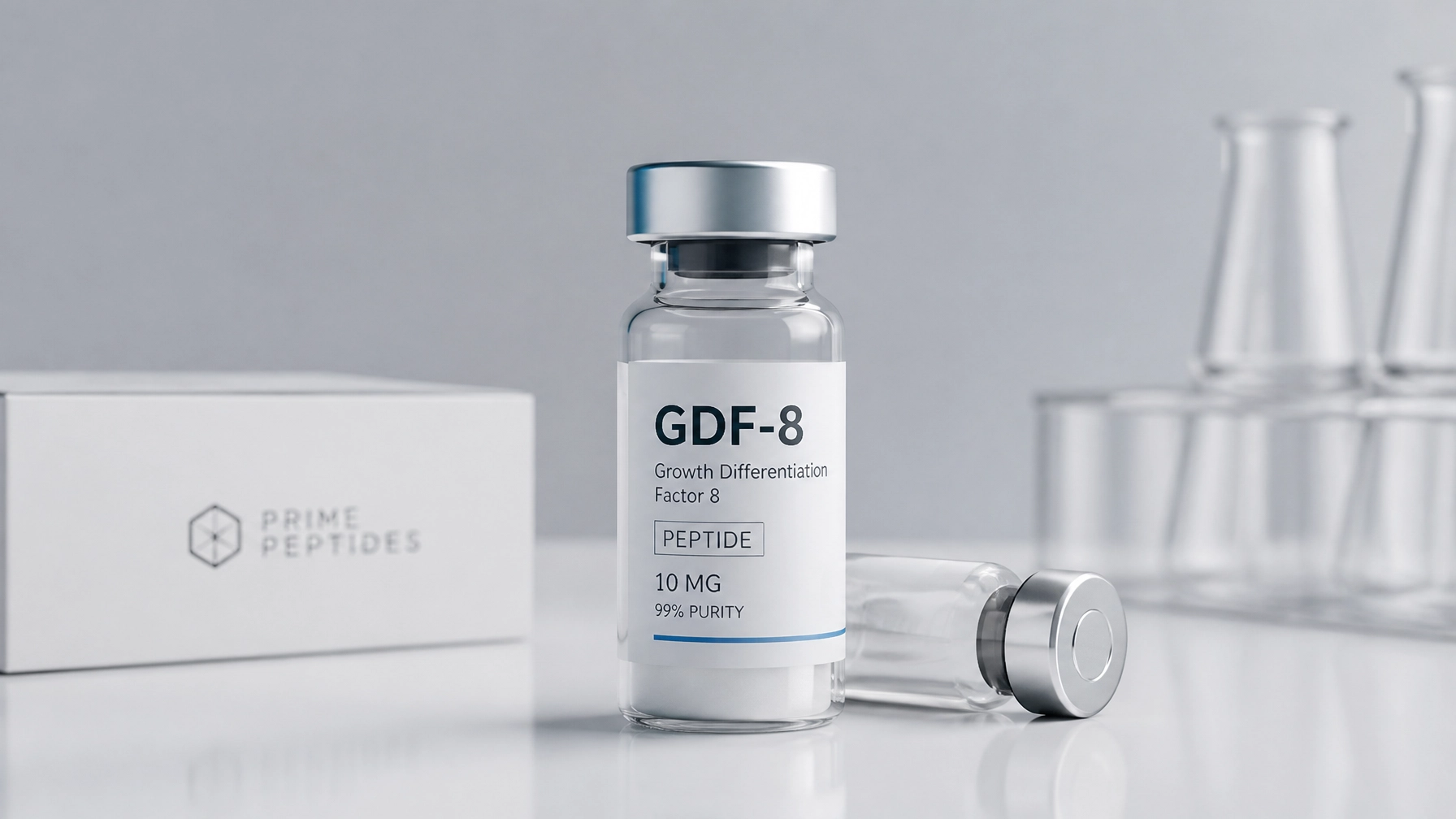
    GDF-8 (Growth Differentiation Factor 8) is a member of the TGF-beta superfamily of proteins. In simpler terms, it is a cytokine produced primarily in skeletal muscle cells that acts as a negative regulator. Its job? To ensure you don’t grow too much muscle.

    While that might sound counter-productive to your goals, it was essential for our ancestors. Muscle is metabolically expensive; it requires massive amounts of calories to maintain. GDF-8 ensured humans didn't carry more mass than they could fuel during times of scarcity. But in the modern era of metabolic research, "unlocking" this restriction has become a primary focus for researchers looking to combat muscle wasting, aging, and metabolic dysfunction.

    How it Works: The Myostatin Pathway

    GDF-8 works by binding to specific receptors, primarily the Activin type IIB receptor (ActRIIB). Once bound, it triggers a signaling cascade that halts the proliferation of myoblasts (the precursor cells that become muscle fibers).

    When GDF-8 levels are high, muscle growth is stagnant. When they are low, or successfully inhibited, the biological brakes are released.

    Muscle Fiber Hypertrophy Illustration

    Revolutionize Your Reserch: Myostatin Inhibitors

    To bypass this biological barrier, scientists have developed a range of compounds designed to intercept GDF-8 before it can bind to its receptor. At WLA, we provide access to the leading synthetic compounds utilized in this specific field of study.

    1. ACE-031: The Soluble Receptor Trap

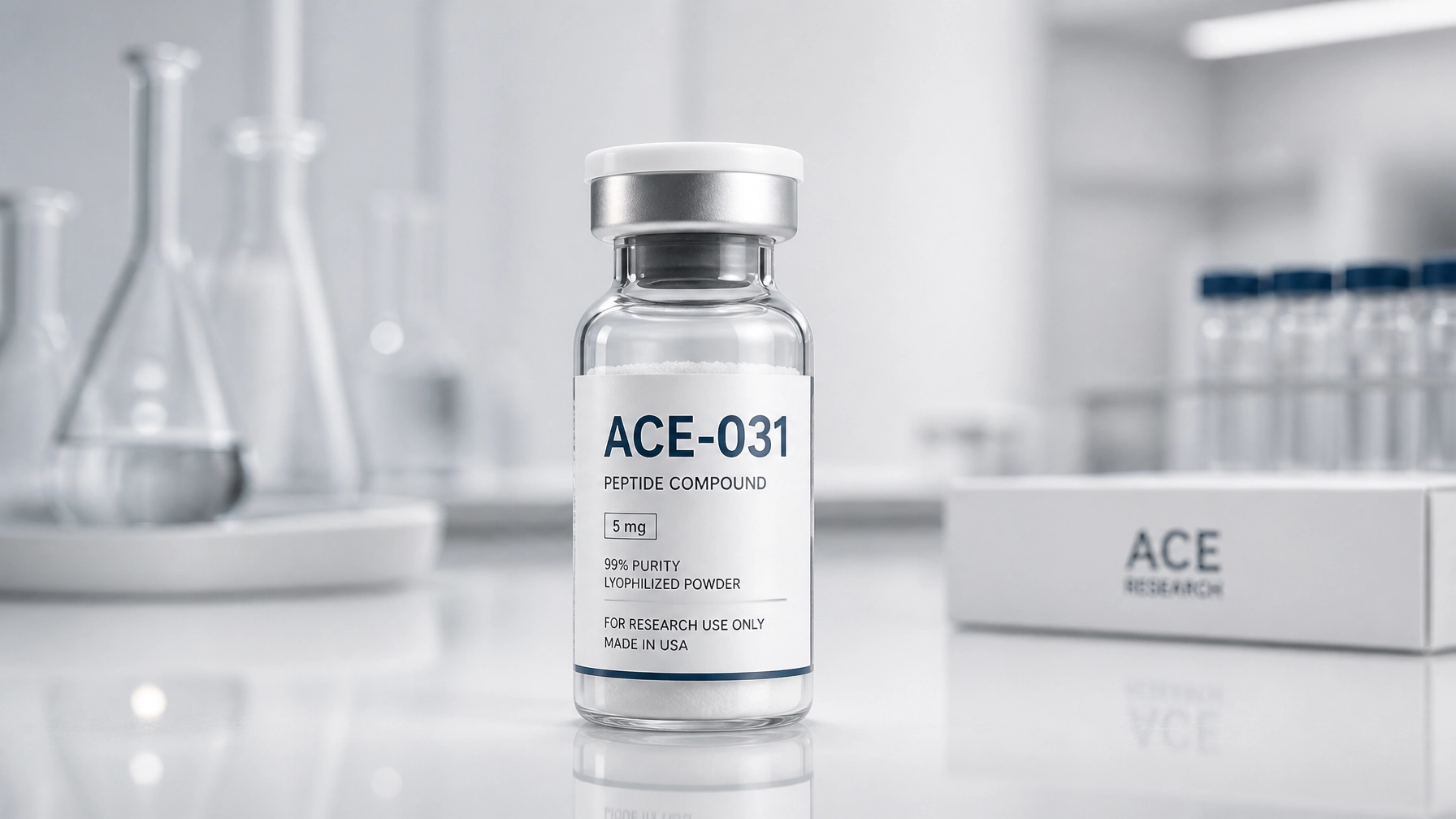
    ACE-031 is a fusion protein that acts as a "decoy" receptor. It is essentially a soluble version of the ActRIIB receptor. When introduced into a research environment, GDF-8 binds to the ACE-031 molecules instead of the actual receptors on the muscle cells.

    • Scientific Classification: ActRIIB-Fc fusion protein.
    • Physical Contents: Lyophilized powder (1mg).
    • Primary Function: Neutralization of myostatin and related ligands to facilitate hypertrophy.

    2. Follistatin: The Natural Antagonist

    Follistatin is a naturally occurring glycoprotein that is perhaps the most famous myostatin inhibitor. It doesn't just block GDF-8; it also regulates other growth factors like activin. Research suggests that Follistatin can significantly shift the balance toward muscle protein synthesis.

    3. ACE-083: Localized Inhibition

    Unlike systemic inhibitors, ACE-083 is designed for localized action. This makes it a fascinating tool for researchers looking to observe the effects of myostatin regulation on specific muscle groups without affecting the entire systemic environment.

    The Metabolic Synergy: Muscle Preservation During Weight Loss

    One of the most exciting developments in GDF-8 research is its application in the world of weight management. As many of you know, when the body is in a significant caloric deficit, often induced by powerful metabolic agents like Ret or Tirz (our Weight Loss category), there is a risk of losing lean muscle mass alongside fat.

    Recent clinical studies have shown that dual blockade of GDF-8 and Activin A (using compounds like GDF-8 research peptides) can transform the weight loss journey. By inhibiting myostatin, researchers have observed a "sparing" effect where the body aggressively burns fat while preserving, or even increasing, muscle density.

    Synergy of Weight Management and Muscle Preservation

    Unlock the Potential of Dual Protocols:

    • Problem: Muscle wasting (sarcopenia) during rapid weight loss.
    • Solution: Combining GLP-1 research with GDF-8 inhibition to maintain a high basal metabolic rate.

    Scientific Luxury: Navigating the Technical Hurdles

    Reserching these high-tech compounds requires precision. This isn't just about "gains"; it's about the sophisticated manipulation of metabolic pathways.

    When you purchase from Weight Loss Australia (WLA), you are accessing high-quality sourcing that meets the rigorous demands of modern biohacking. Our products come in ultra-clear, clinical-grade vials, ensuring stability and clarity for your experiments.

    Utilitarian Instructions for Researchers

    1. Dosing Guidance: Always utilize our Peptide Calculator (available in our tools section) to ensure precise reconstituted volumes.
    2. Storage: Keep lyophilized GDF-8 and ACE-031 in a cool, dark environment. Once reconstituted with Bac water, refrigeration is mandatory to maintain peptide integrity.
    3. VIP Access: Join our VIP Club to get notified about exclusive drops and limited-run batches of rare bioregulators.

    Laboratory Precision and Pipette Droplet

    Physiological Outcomes: What the Data Says

    The "Scientific Luxury" of GDF-8 regulation isn't just theory. Clinical data in both animal models and preliminary human trials (specifically focusing on conditions like muscular dystrophy) have shown:

    • Increased Lean Mass: Significant muscle hypertrophy without the need for increased caloric intake.
    • Fracture Healing: Improved bone density and faster recovery from orthopedic trauma.
    • Metabolic Shift: Improved insulin sensitivity and reduced adipose tissue (fat) accumulation.

    By targeting GDF-8, you aren't just building muscle; you are revolutionizing the way the body handles energy.

    The WLA Advantage

    Why source your GDF-8 research materials from us?

    • Compliance-focused: We use aliases like Ret and Tirz to navigate the landscape while providing the highest purity compounds.
    • Support: Our WLC Assistant is available to help you navigate the shop and find the right peptide kits for your specific research goals.
    • Range: From AICAR for metabolic endurance to GDF-8 for mass regulation, we cover the entire spectrum of longevity and performance.

    Structured Product Profile: GDF-8 (Myostatin)

    • Classification: Negative Growth Regulator / Cytokine.
    • Contents: 1 x 1mg Vial of high-purity GDF-8 peptide.
    • Research Goal: To study the effects of myostatin levels on muscle cell proliferation and metabolic homeostasis.

    Conclusion: Transform Your Research Today

    The science of myostatin regulation is moving fast. Whether you are looking to understand the mechanics of muscle wasting or exploring the synergistic potential of combining weight loss agents with muscle-sparing peptides, GDF-8 is the key that unlocks the door.

    Don't settle for "average" biology. Combat the natural limits of the human frame with the most advanced research compounds available in Australia.

    Hi Mate, ready to start? Head over to the shop and explore our Muscle Growth category to see the full lineup of myostatin inhibitors.

    Stay sharp,
    Matt
    Lead Researcher at WLA

  • AMPK Research Guide: The Master Regulator of Metabolism

    Hi Mate,

    Welcome to the cutting edge of metabolic research. If you’ve been following the latest breakthroughs in the biohacking and longevity space, you’ve likely heard whispers of the "metabolic master switch." We aren't talking about a simple diet hack or a basic supplement; we’re diving deep into the molecular machinery that governs how your body sensors, spends, and stores energy.

    At Weight Loss Australia (WLA), we are committed to providing the high-frequency research tools needed to explore these pathways. Today, we’re unpacking the AMPK Research Guide. This is the definitive look at how activating the Adenosine Monophosphate-activated Protein Kinase (AMPK) pathway can revolutionize our understanding of mitochondrial biogenesis, fat oxidation, and cellular longevity.

    The Problem: Metabolic Stagnation

    In a world of constant nutrient availability, our cellular "energy sensors" often become sluggish. When the body is perpetually in an "anabolic" or building state (driven by high insulin and constant caloric intake), the "catabolic" or energy-burning pathways: specifically AMPK: remain dormant. This leads to reduced mitochondrial efficiency, metabolic inflexibility, and a plateau in research outcomes for those investigating weight management protocols.

    The Solution: Unlocking the AMPK Pathway

    AMPK is a serine/threonine kinase that acts as the body’s ultimate fuel gauge. It monitors the ratio of AMP to ATP within the cell. When energy is low (high AMP), AMPK "flips the switch" to initiate energy-producing processes while shutting down non-essential energy-consuming pathways. For researchers, the goal is to trigger this state without the need for extreme caloric deprivation.

    The Science of Mitochondrial Biogenesis

    One of the most transformative effects of AMPK activation is the stimulation of mitochondrial biogenesis. This is the process by which cells increase their individual mitochondrial mass.

    By activating AMPK, research shows a direct upregulation of the PGC-1α (Peroxisome proliferator-activated receptor-gamma coactivator-1alpha) pathway. PGC-1α is known as the "master regulator" of mitochondrial biogenesis.

    When you activate this pathway, the theoretical benefits include:

    • Enhanced Oxidative Capacity: More "engines" (mitochondria) within the cell to burn fuel.
    • Revolutionized Fat Oxidation: Increased expression of enzymes involved in fatty acid breakdown.
    • Combatting Cellular Senescence: Improved autophagy (cellular cleanup) triggered by energy stress signals.

    A sleek, professional product shot of an AMPK activator vial on a reflective white surface with soft clinical lighting

    Key Research Activators in the WLA Catalog

    While exercise and fasting are the traditional methods to stimulate AMPK, the research chemical landscape offers high-purity agonists designed for precise laboratory study. At WLA, we provide the tools to explore these metabolic frontiers.

    1. AMPK Activator Peptide

    The flagship of metabolic research. This compound is designed to directly target the AMPK complex, bypassing the need for systemic energy depletion. It is frequently studied for its ability to mimic the metabolic effects of high-intensity aerobic exercise.

    • Classification: Metabolic Research Peptide
    • Contents: 10mg / 20mg Lyophilized Powder
    • Research Focus: Mitochondrial health, metabolic flexibility, and glucose disposal.
    • Explore: View AMPK Activator at wlaustralia.com.au

    2. AICAR (The Exercise Mimetic)

    AICAR (5-Aminoimidazole-4-carboxamide ribonucleoside) is perhaps the most famous AMPK agonist in the scientific community. It enters the cell and is converted into ZMP, an analogue of AMP, which fools the cell into thinking it is in a state of extreme energy depletion.

    • Physical Contents: High-purity research grade powder.
    • Research Goal: To "Unlock" endurance adaptations and accelerate lipid metabolism without physical exertion.

    3. 5-Amino-1MQ

    A specialized inhibitor of the enzyme NNMT (Nicotinamide N-methyltransferase). By inhibiting NNMT, research suggests that intracellular NAD+ levels increase, which in turn activates the SIRT1/AMPK pathway. This represents a "scientific luxury" approach to metabolic management, focusing on the intersection of longevity and fat metabolism.

    Strategic Stacking: The Metabolic Powerhouse

    Researchers often look for synergistic effects by combining AMPK activators with other metabolic agents. In the WLA VIP Club, we often discuss the theoretical framework of "The Metabolic Stack."

    • The Foundation: Ret (Retatrutide) or Tirz (Tirzepatide) for potent GLP-1/GIP receptor agonism.
    • The Catalyst: AMPK Activator to drive mitochondrial biogenesis and fat oxidation.
    • The Support: Methylene Blue to support electron transport chain efficiency within the newly formed mitochondria.

    A conceptual diagram of a 'Metabolic Stack' featuring three research vials in a line, with a clean and professional aesthetic

    Research Protocols & Dosing Guidance

    Precision is everything in the world of research peptides. To help you navigate the technical hurdles of reconstitution and concentration, Weight Loss Australia has developed an interactive, instructional tool.

    Before beginning any protocol involving AMPK agonists, ensure you are utilizing our Peptide Calculator. This tool allows you to input your vial size (e.g., 10mg) and your desired research concentration to ensure exactitude in every experiment.

    Instructions for Research Navigation:

    1. Reconstitution: Use high-quality Bac Water, available in our supplies section.
    2. Storage: Lyophilized powders should be stored in a cool, dark place (refrigeration preferred for long-term stability).
    3. Analysis: Monitor biomarkers related to glucose sensitivity and lipid profiles to track the effectiveness of the AMPK activation.

    Join the WLA Inner Circle

    The world of metabolic research is moving fast. If you want to stay ahead of the curve with Exclusive drops and VIP Club access to the latest peptide variants, make sure you are signed up for our updates. We don’t just sell chemicals; we provide a high-tech ecosystem for the modern biohacker and longevity researcher.

    Whether you are looking to "Transform" a metabolic profile or "Revolutionize" your research into mitochondrial health, the AMPK pathway is your primary target.

    Ready to start your research?
    Shop the Full Metabolic Range at WLA

    Maintain the standard. Push the boundaries.

    Cheers,

    Matt
    Lead Researcher, Weight Loss Australia (WLA)

    A clean, futuristic laboratory workspace with a laptop showing a peptide calculator and a microscope nearby, very bright and professional

  • ACE-031 Research Guide: Advanced Myostatin Inhibition Strategy

    ACE-031 Research Guide: Advanced Myostatin Inhibition Strategy

    Hi Mate, Matt here from the WLA research desk.

    If you’ve been chasing the absolute peak of metabolic optimization and muscular architecture, you’ve likely hit that frustrating "genetic ceiling." It’s that point where no matter how dialed-in the research protocol is, the biology just says no more.

    Well, it’s time to talk about the compound designed to Revolutionize that barrier: ACE-031.

    In the world of high-performance research, ACE-031 isn't just another peptide; it’s a sophisticated "decoy receptor" designed to Unlock levels of muscle hypertrophy that were previously considered physiologically impossible. This isn't about adding more fuel to the fire: it’s about removing the fire extinguisher entirely.

    Let's dive into the clinical mechanics of this scientific luxury.

    What is ACE-031? (The Soluble Decoy)

    Technically classified as a soluble activin receptor type IIB (ActRIIB)–Fc fusion protein, ACE-031 is a masterpiece of modern biotechnology. Unlike traditional growth factors that attempt to push growth from the top down, ACE-031 works by sequestering the proteins that stop growth in its tracks.

    Physical Contents:

    • Active Compound: ACE-031 (ActRIIB-Fc fusion protein)
    • Format: Lyophilized white powder (Requires reconstitution)
    • Research Focus: Myostatin inhibition and neuromuscular health

    Essentially, it’s a "ligand trap." In the body, proteins like Myostatin act as a regulatory brake, preventing your muscles from growing too large. ACE-031 circulates in the bloodstream and "catches" these myostatin molecules before they can bind to your muscle cells.

    By neutralizing the brakes, you allow the biological machinery to shift into a state of pure, uninhibited Transformation.

    Microscopic View of Muscle Fiber Hypertrophy

    The Science of "Removing the Brakes"

    In clinical research, the most common way to stimulate growth is to activate pathways like mTOR. But ACE-031 takes a different, more advanced approach.

    The ActRIIB receptor is the gateway for several proteins in the TGF-β family, including Myostatin and Activin A. When these proteins bind to the receptor, they signal the muscle to stop synthesizing protein and start breaking it down. This is the biological survival mechanism that keeps us "normal" sized.

    ACE-031 is essentially a synthetic version of that receptor. When introduced into a research environment, it acts as a decoy. The myostatin binds to the ACE-031 instead of the actual muscle tissue.

    Key Physiological Research Outcomes:

    1. Explosive Hypertrophy: In early human trials, even a single dose showed a lean mass increase of roughly 3.3% in just 29 days.
    2. Increased Contractile Force: Beyond just size, research indicates a significant jump in the actual strength of the muscle fibers.
    3. Bone Density Support: By inhibiting the same pathways, researchers have noted improvements in bone mineral density: a critical factor for longevity.
    4. Metabolic Reconfiguration: With more muscle tissue comes a higher resting metabolic rate, making this a powerful tool for weight management research.

    Advanced Research Protocols

    When handling high-tier compounds like ACE-031, precision is everything. This isn't a "guesstimate" game. You need the right tools to ensure the integrity of your research.

    Reconstitution & Supplies

    To properly activate the lyophilized powder, you’ll need high-quality Bacteriostatic Water. At Weight Loss Australia, we provide complete Peptide Kits that include everything needed for a clinical-grade setup.

    Matt’s Pro Tip: Always use our Peptide Calculator to ensure your mcg-to-ml ratios are perfect. Precision is the difference between a failed experiment and a breakthrough.

    Professional Peptide Research Setup

    Research Dosing (Conceptual)

    In clinical literature, ACE-031 has been studied at ranges of 1mg/kg to 3mg/kg. Because of its long half-life (thanks to that Fc-fusion protein), it doesn't require the daily administration that many other peptides do. Research cycles often look like a single administration every 2–4 weeks, allowing the "decoy" to circulate and clear the myostatin pathways effectively.

    Synergistic Stacking: The Beast Mode Research

    While ACE-031 is a powerhouse on its own, the real "Scientific Luxury" experience comes from intelligent stacking.

    • The Growth Stack: Combine ACE-031 with a GHRP like GHRP-2 or GHRP-6. While ACE-031 removes the brakes, the GHRP adds the fuel.
    • The Longevity/Bone Stack: Pair it with Abaloparatide for a comprehensive bone-health research protocol.
    • The Metabolic Shred: Use it alongside Tirz or Ret to maintain muscle mass while aggressively targeting adipose tissue.

    Navigating the Challenges

    Let’s keep it real, mate. High-intensity research isn't without its hurdles. In some clinical trials, researchers noted minor side effects like nosebleeds or gum bleeding at very high doses. This is thought to be due to ACE-031’s interaction with related proteins that affect the vascular system.

    This is why WLA insists on the highest purity standards. When you’re dealing with compounds this potent, you cannot compromise on sourcing. Our lab-tested batches ensure you are getting exactly what the science demands, without the contaminants found in lower-tier "black market" alternatives.

    Modern Research Laboratory Environment

    Why Research with Weight Loss Australia?

    At WLA, we don't just sell chemicals; we provide the infrastructure for biological transformation.

    • VIP Access: Join our community for exclusive drops and tiered membership pricing.
    • Clinical Quality: Every vial of ACE-031 or Ret is sourced with the utmost focus on compliance and purity.
    • Expert Support: Have questions about your protocol? Our WLA Assistant chatbot is trained on the latest peer-reviewed data to help you navigate technical hurdles.

    The Verdict

    ACE-031 represents the frontier of muscle biology. By shifting the focus from "growth stimulation" to "inhibition blockade," researchers can Combat the genetic limitations that hold back physical potential.

    Whether you’re investigating its effects on muscular dystrophy, age-related sarcopenia, or pure metabolic optimization, ACE-031 is the high-tech solution for those who refuse to accept "average" as an answer.

    Ready to start your next research cycle?

    Explore our full range of Muscle Growth Peptides and Bioregulators today.

    Stay sharp,
    Matt
    Lead Researcher, WLA (Weight Loss Australia)

  • P21 Research Guide: Neurogenesis and Cognitive Enhancement Research

    P21 Research Guide: Neurogenesis and Cognitive Enhancement Research

    Hi Mate! Welcome to the cutting edge of cognitive science. If you’ve been scouring the research landscape for the next "Limitless" breakthrough, you’ve likely stumbled upon the term P21. At Weight Loss Australia (WLA), we don't just follow the trends; we dive deep into the molecular pathways that define the future of human optimization.

    Today, we are unpacking the P21 research peptide, a potent synthetic derivative of Ciliary Neurotrophic Factor (CNTF). This isn't just another "brain booster": it is a sophisticated tool being studied for its ability to literally rebuild the brain through neurogenesis.

    Whether you’re a seasoned biohacker or a dedicated researcher, this guide will provide the clinical technicality and "scientific luxury" insights you need to understand how P21 is revolutionizing the neuro-research space.


    What is P21? The Synthetic Vanguard of CNTF

    P21 (often referred to as P021) is a synthetic peptide fragment derived from the most biologically active region of human Ciliary Neurotrophic Factor. In the world of peptide research, CNTF is a heavy hitter: it’s known for promoting neuronal survival and differentiation.

    However, full-length CNTF has a major drawback: in animal models, it can cause unwanted systemic side effects like weight loss and muscle wasting. P21 was engineered to bypass these hurdles. It mimics the positive, neurogenic effects of CNTF without the "baggage."

    At Weight Loss Australia (WLA), we offer P21 10mg vials designed for high-precision laboratory research. It is a small, stable peptide that acts as a CNTF mimetic, unlocking the potential for neuronal repair and cognitive enhancement.

    P21 Product Vial in Clinical Setting


    The Mechanism of Action: Rewiring the Neurogenic Niche

    To understand why P21 is a game-changer, we have to talk about the Hippocampus: the brain's command center for learning and memory. Most peptides simply modulate neurotransmitters (like caffeine or basic nootropics). P21 goes deeper. It targets the neurogenic niche.

    1. Inhibition of LIF Signaling

    In the brain, there is a "brake" on the production of new neurons called Leukemia Inhibitory Factor (LIF). In many research models of aging or cognitive decline, LIF signaling is overactive, preventing the birth of new neural progenitor cells.

    P21 acts as a competitive inhibitor of LIF. By blocking this signaling pathway, it effectively "removes the brake," allowing the brain to engage in adult hippocampal neurogenesis.

    2. Upregulation of BDNF and NT-3

    Brain-Derived Neurotrophic Factor (BDNF) is often called "Miracle-Gro for the brain." P21 research has shown a significant increase in BDNF and Neurotrophin-3 (NT-3) levels. These proteins are critical for:

    • Neuronal Survival: Keeping existing neurons healthy and functional.
    • Synaptic Plasticity: Strengthening the connections (synapses) between neurons.
    • Dendritic Growth: Expanding the "branches" of neurons to improve communication.

    3. Combatting Aβ and Tau Pathology

    In Alzheimer's research models (like the 3xTg-AD mice), P21 hasn't just improved memory: it has shown a remarkable ability to reduce the accumulation of Amyloid-beta (Aβ) plaques and Tau phosphorylation. This positions P21 as a potential "disease-modifying" compound in the search for neuro-restorative therapies.

    Neurogenesis Microscopic Illustration


    Transforming Research: The Core Benefits of P21

    When we look at the data from preclinical studies, the results of P21 administration are nothing short of transformative. Here is how P21 is revolutionizing the research into physiological and aesthetic cognitive outcomes:

    Unlock Superior Learning and Memory

    In rodent studies, P21 administration resulted in significant improvements in spatial reference memory and short-term memory. Research subjects performed better in complex mazes and object recognition tasks. This suggests that P21 doesn't just "fix" a broken brain: it can potentially optimize a healthy one.

    Revolutionize Synaptic Health

    P21 enhances the stability of microtubules and the density of dendritic spines. Think of it as upgrading the "wiring" in your computer from old copper cables to high-speed fiber optics. The result is faster information processing and improved Long-Term Potentiation (LTP).

    Combat Age-Related Decline

    As we age, our natural neurogenesis rates plummet. P21 has been shown to restore neurogenic activity in aged subjects back to levels seen in much younger models. It is the ultimate "longevity" peptide for the most important organ in your body.


    P21 Technical Specifications & Contents

    When you order from WLA, you are receiving a product of unmatched quality. Our P21 10mg is synthesized to the highest standards of purity for research applications.

    • Classification: CNTF-derived neurotrophic peptide.
    • Format: Lyophilized (freeze-dried) powder in a sterile glass vial.
    • Concentration: 10mg per vial.
    • Solubility: Highly soluble in Bacteriostatic Water.
    • Storage: Keep refrigerated at 2°C to 8°C for long-term stability.

    For precise measurement, always utilize our Peptide Calculator to ensure your research protocols are accurate to the microgram.


    Stacking P21 for Maximum Cognitive Synergy

    In the world of "Scientific Luxury," we know that the best results often come from sophisticated combinations. If you are looking to create a comprehensive neuro-research protocol, consider these synergistic pairings:

    • The Neuro-Repair Stack: Combine P21 with Cerebrolysin. While Cerebrolysin provides a broad spectrum of growth factors, P21 provides the targeted neurogenic spark through LIF inhibition.
    • The Longevity Stack: Pair P21 with metabolic powerhouses like Retatrutide (Ret) or Cardiogen. By optimizing both metabolic function and cognitive health, you are researching the total transformation of the subject.

    High-Tech Laboratory Neural Data Display


    How to Reconstitute P21: A Step-by-Step Guide

    Proper handling is crucial for maintaining the integrity of P21. Follow these utilitarian instructions for your research laboratory:

    1. Preparation: Clean the top of the P21 vial and your Bacteriostatic Water vial with an alcohol swab.
    2. Reconstitution: Gently inject 1ml to 2ml of Bac Water into the P21 vial. Aim the stream at the side of the glass to avoid "shaking" the peptide.
    3. Mixing: Do not shake. Gently swirl the vial until the powder is completely clear.
    4. Dosage: Use our Peptide Calculator tool to determine the exact volume for your required dose.

    Join the WLA VIP Club

    At Weight Loss Australia, we believe in exclusivity and expertise. Our community of researchers and enthusiasts are at the forefront of the peptide revolution. By choosing WLA, you aren't just buying a product; you're gaining access to high-quality sourcing and elite customer support.

    Explore our full range of Bioregulators and metabolic tools like Tirz to see why we are Australia's leading research chemical provider.

    Unlock your research potential today.


    Frequently Asked Questions (FAQ)

    Is P21 the same as Semax or Selank?

    No. While Semax and Selank are popular neuro-modulatory peptides, P21 has a distinct mechanism of action based on CNTF mimicry and LIF inhibition. P21 is generally considered more "neurogenic" (building new neurons), while Semax is often researched for its acute "neurotrophic" and stimulant-like cognitive effects.

    How should P21 be stored?

    In its lyophilized (powder) form, P21 is stable at room temperature for a short period but should be stored in the freezer for long-term storage. Once reconstituted, it must be kept in the refrigerator and used within 30 days for maximum potency.

    Does P21 cause weight loss like full CNTF?

    Research suggests that P21 does not cause the systemic side effects associated with full-length CNTF, such as anorexia or hyperalgesia, because it only mimics the neurogenic domain of the protein.

    Where can I buy P21 in Australia?

    You can find high-purity P21 10mg right here at Weight Loss Australia (WLA). We offer fast shipping and premium quality for all your research needs.


    Author: Matt
    Company: Weight Loss Australia (WLA)
    Disclaimer: P21 is sold for research purposes only. It is not intended for human consumption or therapeutic use. Always consult with a medical professional before starting any research protocol.

  • Humanin Research Guide: The Mitochondrial-Derived Cytoprotector

    Humanin Research Guide: The Mitochondrial-Derived Cytoprotector

    Hi Mate! Matt here from the WLA team.

    If you’ve been hanging around the biohacking scene for a while, you know that the real "holy grail" of longevity isn't just about losing a few kilos or getting a pump. It’s about the cellular machinery that keeps the lights on: the mitochondria. We’ve all heard they are the "powerhouse of the cell," but what if I told you they also produce their own internal "security guards"?

    Enter Humanin.

    In this guide, we’re diving deep into the revolutionary world of mitochondrial-derived peptides (MDPs). Humanin isn’t just another compound; it’s a high-tech biological signal that helps Unlock your cells' ability to survive stress, Transform your metabolic health, and Revolutionize how we think about neuroprotection.

    At Weight Loss Australia, we’re obsessed with the cutting edge of metabolic function and life extension. Whether you're researching ways to Combat cognitive decline or seeking the ultimate edge in cellular resilience, understanding Humanin is your next level-up.

    What is Humanin? The Insider’s View

    Humanin is a 24-amino acid peptide that is actually encoded within the mitochondrial genome. Most of our DNA is in the nucleus, but the mitochondria have their own "blueprints." When researchers first discovered Humanin in the early 2000s, they found it in the brains of patients who were remarkably resilient to Alzheimer’s-related damage.

    It was as if the cells were producing their own internal "rescue flare" to stop themselves from dying.

    In the world of "Scientific Luxury," Humanin is the bespoke security system for your DNA. It’s classified as a cytoprotector: a molecule designed to protect cells from apoptosis (programmed cell death).

    The Biological "Problem-Solution" Framework

    • The Problem: As we age, our mitochondrial function declines. Oxidative stress builds up, and our cells become more prone to "shutting down" prematurely. This leads to neurodegeneration, metabolic sluggishness, and the general breakdown we call "aging."
    • The Solution: Humanin acts as a triple-threat agonist of sorts for cellular survival. It signals through multiple pathways to keep cells functional, even when the environment gets toxic.

    Mitochondrial Energy Visualization

    Technical Breakdown: The Mechanism of Action

    To really appreciate Humanin, you have to look at the "dense medical jargon" of its pathways. It’s not just a passive shield; it’s an active player in the JAK2/STAT3 and PI3K/Akt signaling cascades.

    1. The GP130 Complex

    Humanin binds to a heterotrimeric receptor complex consisting of CNTFR-α, gp130, and WSX-1. Engaging this receptor sends a massive pro-survival signal through the cell. Think of it as a software update that patches the vulnerabilities in your cellular "operating system."

    2. The Bax Inhibitor

    This is where it gets revolutionary. Humanin directly interacts with the pro-apoptotic protein Bax. Usually, when a cell is under too much stress, Bax moves to the mitochondria and "blows them up," triggering cell death. Humanin essentially tackles Bax and prevents it from reaching the mitochondria. No explosion, no cell death.

    3. IGFBP-3 Interaction

    Humanin also binds to IGFBP-3 (Insulin-like Growth Factor Binding Protein-3). This interaction is a key interface between the mitochondrial signals and the IGF-1 system: something we talk about extensively in our Muscle Growth research. By modulating these pathways, Humanin influences how our bodies handle growth and metabolic repair.

    The Physical Contents of a Research Protocol

    When you're looking at Humanin in a laboratory setting, you're looking at a high-purity lyophilized powder designed for maximum stability. At WLA, we emphasize the importance of high-quality sourcing to ensure your research data is accurate.

    • Classification: Mitochondrial-derived peptide (MDP)
    • Amino Acid Count: 24
    • Molecular Formula: C119H204N34O32S2
    • Research Focus: Neuroprotection, Longevity, Metabolic Homeostasis

    High-Tech Lab Setting

    Transforming Your Research: The Key Benefits

    Neuroprotection: The Alzheimer’s Combatant

    Humanin was born out of neuroprotection research. In preclinical studies, it has shown an incredible ability to protect neurons from amyloid-beta toxicity. For researchers focusing on cognitive health, combining Humanin with other neuro-peptides like P21 10mg or Cerebrolysin could represent the pinnacle of brain-optimization protocols.

    Longevity & Healthspan: The "VIP Club" for Your Cells

    Research in animal models suggests that Humanin levels decline naturally with age. By replenishing these levels, researchers have observed a significant extension in both lifespan and, more importantly, healthspan. In some studies, a 12% increase in median lifespan was recorded. This is why it’s a staple in our Immune and Life Extension category.

    Metabolic Function: Beyond Weight Loss

    Humanin isn't just for the brain. It also improves insulin sensitivity and metabolic homeostasis. While many of our clients start with Rettt or Tiiirz for weight management, adding Humanin to a research stack can support the underlying mitochondrial health that makes long-term weight maintenance possible.

    How to Navigate the Technical Hurdles

    We know that research compounds can be complex. That’s why Weight Loss Australia provides the tools you need to bypass technical hurdles.

    If you’re wondering about the math behind your research, don’t guess. Use our Peptide Calculator (available via our WLC Assistant) to ensure your dilutions are precise. Precision is the difference between mediocre results and a scientific breakthrough.

    Peptide Calculator Interface

    Stacking for Success: The Bioregulator Synergy

    Humanin works beautifully when integrated into a broader bioregulator framework. If you’re targeting systemic longevity, consider how it interacts with other tissue-specific peptides:

    • Cardiovascular Support: Stack with Cardiogen 20mg to protect both the brain and the heart.
    • Endocrine Balance: Look into Triptorellin 2mg for specialized research needs.
    • General Vitality: Browse our full Bioregulator collection to build a truly comprehensive protocol.

    Why Choose WLA (Weight Loss Australia)?

    When you purchase from WLA, you’re not just buying a vial; you’re joining a community of like-minded biohackers and researchers. We pride ourselves on:

    • Compliance-Focused Quality: We use coded language and insider knowledge to ensure we can keep providing the community with the highest quality compounds.
    • Scientific Luxury: Our products are sourced and handled with the utmost care, reflecting the premium nature of the research they support.
    • Exclusive Access: Our VIP Club members get first dibs on exclusive drops and new research chemicals before they hit the general store.

    Clinical Product Shot

    Conclusion: Unlock the Future of Cellular Health

    Humanin represents a shift in the way we view health. Instead of just treating symptoms, we are looking at the very foundation of life: the mitochondria. By protecting these organelles, we Unlock a level of health and longevity that was previously thought impossible.

    Ready to start your next research project? Head over to wlaustralia.com.au to browse our latest inventory and join the elite ranks of those pushing the boundaries of what the human body can achieve.

    Stay sharp, stay healthy.

    : Matt
    Lead Researcher, WLA

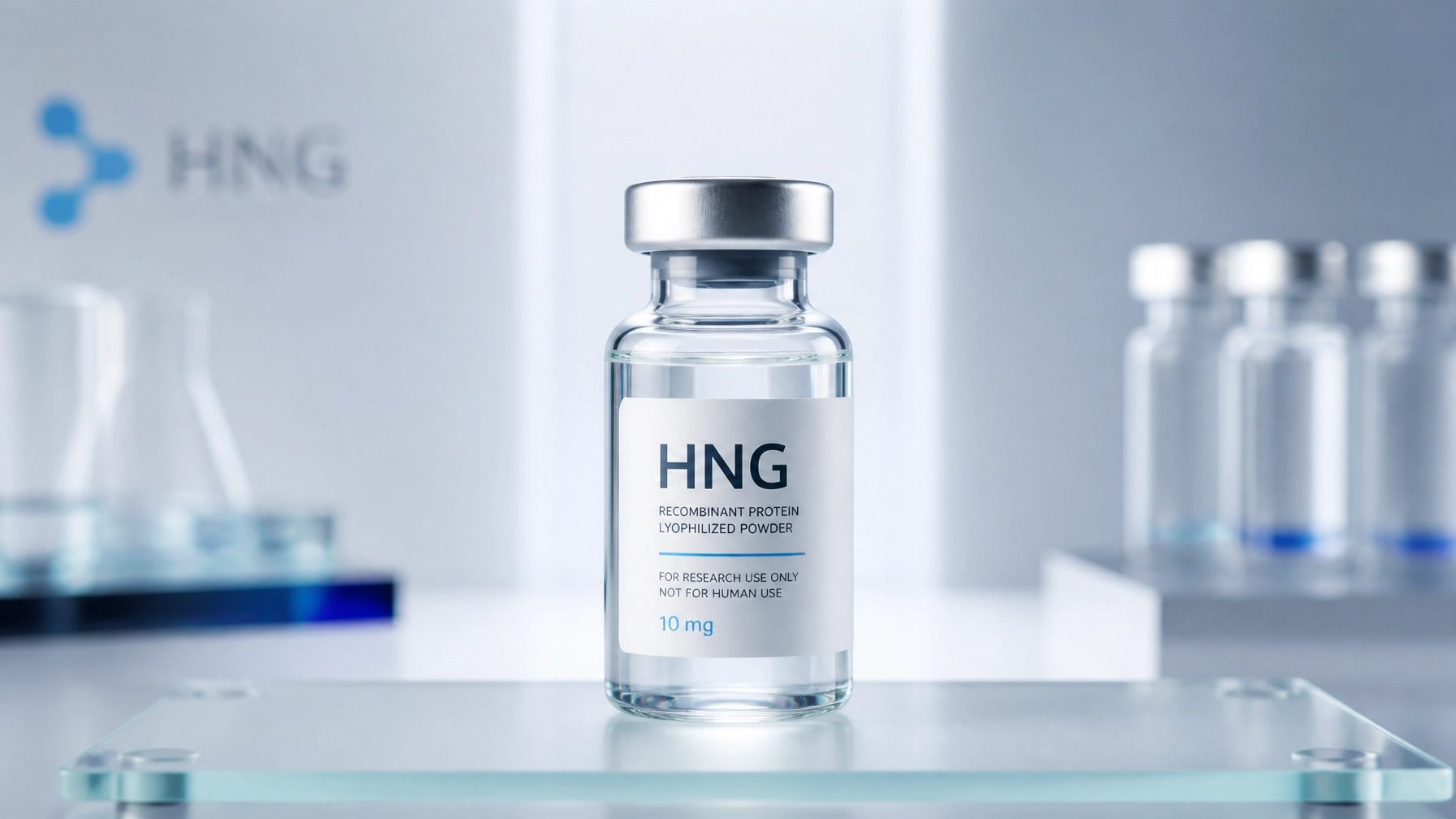
  • Humanin G (HNG) Research Guide: Potent Neuroprotection and Longevity

    Humanin G (HNG) Research Guide: Potent Neuroprotection and Longevity

    Hi Mate, Matt here from WLA.

    When we talk about the frontier of longevity research, we often focus on the "big players": the ones that get all the headlines. But in the deep-tech world of mitochondrial science, there is a hidden gem that is quietly revolutionizing how researchers approach neurodegeneration and metabolic decline.

    I’m talking about Humanin G (HNG).

    If you’ve been following the mitochondrial-derived peptide (MDP) space, you know that native Humanin was the first of its kind discovered. But while native Humanin is impressive, HNG is the high-octane, "scientific luxury" version. By making a single, precise molecular tweak (the S14G substitution), scientists have unlocked a variant that is up to 1,000 times more potent than the original.

    Whether you are looking to research neuroprotective shields against cognitive decline or explore new pathways in metabolic function, HNG is the powerhouse you need to know about. Let’s dive into the technicalities of why this peptide is a game-changer for the future of healthspan.

    The Science of Potency: What is Humanin G?

    At its core, Humanin G is a synthetic analog of Humanin, a 24-amino-acid peptide encoded within the mitochondrial genome. While mitochondria are famous for being the "powerhouse of the cell," they also act as a sophisticated signaling hub. They release MDPs like Humanin to tell the rest of the body how to handle stress and stay alive.

    The "G" in HNG stands for Glycine. In this specific analog, the Serine at position 14 is replaced with Glycine (S14G). This might seem like a small change, but in the world of biochemistry, it’s a total transformation.

    Technical Classification:

    • Molecular Type: Mitochondrial-Derived Peptide (MDP)
    • Sequence: MAPRGFSCLLLLTGEIDLPVKRRA
    • Key Modification: S14G (Serine to Glycine substitution at residue 14)
    • Primary Function: Cytoprotection, anti-apoptotic signaling, and metabolic regulation.

    This modification enhances the peptide's interaction with the heterotrimeric receptor complex (gp130/WSX-1/CNTFR), allowing it to trigger cellular survival pathways with significantly higher efficiency. It’s essentially a "turbocharged" signal for cellular resilience.

    A high-tech, 3D medical visualization of a human mitochondrion glowing with golden energy, inside a clean, translucent cell.

    Shielding the Brain: Neuroprotection in Alzheimer’s Research

    One of the most exciting research applications for HNG is in the field of neurodegeneration. In models of Alzheimer’s Disease, HNG has demonstrated a remarkable ability to act as a neuroprotective shield.

    The biological need is clear: as we age, neurons become increasingly vulnerable to toxic proteins like Amyloid-beta (Aβ). This leads to neuroinflammation and, eventually, cell death. HNG presents a high-tech solution by intervening in the apoptotic (cell death) pathway.

    How HNG Revolutionizes Brain Research:

    • Amyloid-Beta Neutralization: Research suggests HNG can inhibit the toxicity of Aβ plaques, preventing the programmed cell death of neurons.
    • Bax Inhibition: It blocks the activation of Bax, a protein that triggers the "self-destruct" sequence in cells.
    • Mitochondrial Stability: By maintaining the mitochondrial membrane potential, HNG ensures that neurons have the energy they need to repair and function, even under stress.

    In preclinical rodent models, chronic administration of HNG has been shown to improve spatial learning and memory while significantly reducing neuroinflammatory markers. For those researching cognitive longevity, stacking HNG with P21 (10mg) can provide a comprehensive approach to neuronal health and synaptic plasticity.

    Abstract artistic representation of a neural network being repaired by glowing blue particles.

    Transforming Metabolism: Insulin Sensitivity and Glucose Management

    While HNG is a star in the neuro department, its metabolic profile is equally impressive. In a world where metabolic health is the foundation of longevity, HNG offers a unique pathway for research.

    It’s well-known that mitochondrial dysfunction is a hallmark of Type 2 Diabetes and metabolic syndrome. HNG helps Unlock better metabolic pathways by acting as a potent regulator of insulin metabolism.

    Metabolic Physical Contents & Functions:

    • Enhanced Insulin Sensitivity: Studies in diabetic models have shown that HNG can markedly improve the body’s response to insulin, leading to better glucose clearance.
    • Glucose-Stimulated Insulin Secretion (GSIS): Specialized analogs like HNGF6A (a derivative of HNG) have been shown to increase GSIS, making it a primary candidate for research into diabetes management.
    • Metabolic Adaptation: HNG supports the body’s natural adaptation to metabolic stress, essentially mimicking some of the beneficial effects of exercise at a cellular level.

    For researchers focused on weight management and metabolic optimization, HNG provides a fascinating counterpoint or adjunct to more famous metabolic agonists. You can explore our full range of metabolic research tools in the Weight Loss Category.

    Longevity and Cardiovascular Support

    The "Scientific Luxury" of HNG extends to the heart. Cardiovascular health is often a game of managing oxidative stress and preventing fibrosis. Humanin levels naturally decline as we age, leaving the heart more exposed to injury.

    Research into HNG has shown that it can Combat age-related cardiac decline. In elderly mouse models, exogenous HNG treatment attenuated myocardial fibrosis and protected heart tissue from ischemia-reperfusion injury (the damage caused when blood flow returns to tissue after a period of lack of oxygen).

    Key Longevity Benefits:

    1. Cardioprotection: Reduces apoptosis in heart cells during stress.
    2. Systemic Anti-Inflammatory: Lowers inflammatory markers associated with "inflammaging."
    3. Cellular Survival: Acts as a broad-spectrum cytoprotectant across multiple organ systems.

    If your research involves cardiovascular bioregulation, consider how HNG might synergize with specialized bioregulators like Cardiogen (20mg) to support heart tissue integrity.

    Research Protocols & Navigation

    When working with HNG in a laboratory setting, precision is paramount. This is a highly potent research chemical, and dosing calculations must be exact to ensure reproducible results.

    We recommend utilizing our Peptide Calculator Tool to determine the precise concentrations needed for your specific research protocols. Whether you are conducting in vitro assays or in vivo studies, starting with the correct math is the first step toward a breakthrough.

    A sleek, modern laboratory setting with a peptide calculator interface visible on a high-end tablet.

    Why Research with WLA?

    At WLA (Weight Loss Australia), we understand that high-level research requires high-level materials. We don't just provide peptides; we provide the tools for transformation.

    • Compliance-Focused Quality: We ensure our research chemicals meet the highest standards for purity and stability.
    • Technical Support: Our WLA Assistant chatbot is available to help you navigate our catalog and find the exact tools you need.
    • Exclusive Community: Join our VIP Club for exclusive drops and access to the latest research peptides before they hit the mainstream market.

    Final Thoughts: The Future of Mitochondrial Research

    Humanin G (HNG) represents the pinnacle of mitochondrial-derived peptide research. By taking a natural survival signal and amplifying its power a thousand-fold, scientists have created one of the most potent tools for neuroprotection and metabolic health currently available for study.

    As we continue to unravel the mysteries of the mitochondrial genome, HNG will undoubtedly remain at the forefront of the conversation regarding longevity and the prevention of age-related disease.

    Ready to start your research? Browse our full Bioregulator Category today and take the first step toward uncovering the next breakthrough in cellular health.

    Cheers,

    Matt
    Lead Researcher, WLA (Weight Loss Australia)


  • PE-22-28 Research Guide: TREK-1 Inhibition and Cognitive Health

    Hi Mate! Welcome back to the WLA Research Hub. Today, we’re diving into one of the most exciting developments in the world of neuro-active peptides: PE-22-28.

    If you’ve been following the latest breakthroughs in cognitive health and mood regulation, you’ve likely heard the buzz surrounding TREK-1 inhibitors. At Weight Loss Australia (WLA), we are committed to providing the highest quality research compounds for those looking to unlock the next level of biological potential. PE-22-28 isn't just another peptide; it’s a high-tech solution designed to revolutionize how we approach neurogenesis and synaptic health.

    What is PE-22-28? (The Science of Spadin)

    PE-22-28 is a synthetic 7-amino acid fragment derived from Spadin, an endogenous peptide naturally occurring in the brain. Specifically, it corresponds to residues 22–28 of the sortilin propeptide.

    While the parent molecule, Spadin, already showed incredible promise in preclinical models, PE-22-28 represents a significant leap forward in potency and selectivity. In patch-clamp studies, PE-22-28 demonstrated a 300-fold higher potency in inhibiting TREK-1 channels compared to its predecessor. This "scientific luxury" molecule is engineered for researchers who demand precision and efficacy in their metabolic and cognitive studies.

    Technical Classification:

    • Molecular Profile: Synthetic heptapeptide (7 amino acids).
    • Mechanism: Highly selective TREK-1 potassium (K₂P) channel antagonist.
    • Primary Focus: Hippocampal neurogenesis and synaptogenesis.
    • Research Status: Preclinical investigational compound.

    TREK-1: The Gateway to Neuro-Resilience

    To understand why PE-22-28 is so transformative, we have to look at the TREK-1 channel. These are two-pore domain potassium channels found throughout the brain, particularly in the hippocampus: the region responsible for mood, learning, and memory.

    In a standard biological state, TREK-1 channels act as a "brake" on neuronal excitability. While this is necessary for stability, overactive TREK-1 channels are linked to a "depression-prone" phenotype. By inhibiting these channels, PE-22-28 effectively removes this brake, allowing for enhanced neuronal signaling and the activation of critical survival pathways.

    Abstract clinical illustration of neural pathways and synaptic connections, glowing blue nodes on a neutral grey background, minimalist and high-tech aesthetic, 16:9

    Fast-Acting Potential: A Revolution in Mood Research

    One of the biggest hurdles in traditional research is the "lag time" associated with standard mood-regulating compounds. Many conventional options take weeks or even months to show physiological changes.

    PE-22-28 is a game-changer here. Research indicates that its antidepressant-like effects can emerge within just 4 days of administration in animal models. This fast-acting onset is attributed to its immediate impact on neuronal excitability and the rapid upregulation of BDNF (Brain-Derived Neurotrophic Factor).

    Why Researchers are Switching to PE-22-28:

    1. Rapid Onset: Physiological markers of improvement visible in days, not weeks.
    2. Longer Half-Life: Compared to the original Spadin, PE-22-28 remains active for up to 23 hours in research models, allowing for simplified dosing protocols.
    3. Targeted Action: Highly selective for TREK-1, minimizing off-target effects that are common with broader-spectrum compounds.

    Synaptogenesis and the BDNF Connection

    Beyond mood, PE-22-28 is a powerhouse for synaptogenesis: the creation of new synapses between neurons. By increasing the expression of synaptic proteins like PSD-95 and synapsin, this peptide helps rebuild the "hardware" of the brain.

    This makes it an ideal candidate for research into cognitive decline and longevity. When you combine this with the surge in BDNF: often called "Miracle-Gro for the brain": you have a compound that doesn't just manage symptoms but actively promotes biological repair.

    If you are already researching our Cerebrolysin 60mg or P21 10mg, PE-22-28 offers a complementary mechanism that targets the TREK-1 pathway specifically.

    High-clarity focused image of a scientific glass beaker with a blue liquid, clinical white background, soft natural lighting, minimalist product photography style, 16:9

    Research Protocol & Dosing Guidance

    At WLA, we want to ensure your research is as precise as possible. For those looking to incorporate PE-22-28 into their laboratory studies, accuracy is key.

    Because PE-22-28 is a highly potent peptide (IC₅₀ ≈ 0.12 nM), even small variances in dosage can significantly impact research outcomes. We highly recommend utilizing our Peptide Calculator Tool to determine the exact requirements for your specific research model.

    Sample Research Structure:

    • Physical Contents: Lyophilized powder (vial).
    • Reconstitution: Must be reconstituted with Bacteriostatic Water for stability.
    • Storage: Store in a cool, dry place (refrigerated at 2-8°C after reconstitution).
    • Duration: Most research protocols span 4–6 weeks to observe full synaptogenic effects.

    Stacking for Cognitive Synergy

    The most advanced researchers often combine multiple pathways to achieve a "compounding effect" on cognitive health. Here at WLA, we offer several high-tech solutions that can be researched alongside PE-22-28:

    • For Metabolic Support: Combine with Ret (Retatrutide) or Tirz (Tirzepatide) to explore the link between metabolic health and cognitive function. Check out our Retatrutide Deep Dive for more info.
    • For Neural Repair: Researching PE-22-28 alongside P21 can provide a dual-pronged approach to neurogenesis, targeting both TREK-1 and CNTF (Ciliary Neurotrophic Factor) pathways.
    • For Longevity: Add Cardiogen to your protocol to support cardiovascular health, ensuring optimal blood flow to the newly formed neural pathways.

    Minimalist overhead view of a scientific lab bench with organized tools, a pipette, and a white notepad, clean clinical aesthetics, soft lighting, 16:9

    Revolutionize Your Research with WLA

    Researching the brain is the ultimate frontier. Whether you're focused on combating cognitive decline or unlocking peak mental performance, PE-22-28 provides a high-potency tool that stands out for its speed and specificity.

    Join the WLA VIP Club for exclusive drops and early access to our latest research peptides. We take pride in our high-quality sourcing and compliance-focused approach, ensuring you have the best materials to transform your research.

    If you have any questions about reconstitution or protocol design, our WLC Assistant chatbot is available 24/7 on our homepage to assist you with technical hurdles.

    Ready to get started? Explore our full range of bioregulators and cognitive peptides at wlaustralia.com.au.

    Stay sharp,
    Matt
    Lead Researcher, Weight Loss Australia (WLA)


    Disclaimer: All products mentioned, including PE-22-28, Ret, and Tirz, are intended for laboratory research purposes only. They are not for human consumption or therapeutic use. Always consult with local regulations before purchasing research chemicals.

  • Kisspeptin-10 Research Guide: The Master Switch of Reproductive Health

    Kisspeptin-10 Research Guide: The Master Switch of Reproductive Health

    Hi Mate! If you’ve been diving deep into the world of hormone regulation and metabolic function, you’ve likely stumbled upon a name that sounds more like a Valentine’s Day card than a powerhouse research compound: Kisspeptin-10.

    But don't let the name fool you. At Weight Loss Australia (WLA), we recognize Kisspeptin-10 as one of the most sophisticated "master switches" in the human biological hard drive. It isn't just another peptide; it’s the primary gatekeeper for the Hypothalamic-Pituitary-Gonadal (HPG) axis. Whether your research focuses on restoring endocrine balance or exploring the frontiers of fertility and metabolic health, understanding the Kisspeptin pathway is absolutely essential.

    In this guide, we’re going to unlock the science behind Kisspeptin-10, explore how it revolutionizes our understanding of reproductive health, and look at why it’s becoming a staple in high-end bioregulator research.

    What is Kisspeptin-10?

    Kisspeptins are a family of neuropeptides derived from the KISS1 gene. While the body produces several versions (like Kisspeptin-54), Kisspeptin-10 (KP-10) is the shortest, most potent active fragment. In the world of "scientific luxury," KP-10 is the concentrated essence: the high-octane version used to trigger specific physiological responses.

    Originally discovered for its role in suppressing cancer metastasis (which is where the "Kiss" name comes from: M-KISS), researchers soon realized its true power lay in the brain. Specifically, KP-10 binds to the KISS1R receptor (GPR54) located on GnRH neurons. This binding is the "spark" that starts the entire hormonal engine.

    The Scientific Profile:

    • Classification: Neuropeptide / HPG Axis Stimulator
    • Target: GnRH Neurons / KISS1R Receptor
    • Format: Lyophilized powder for laboratory research
    • Main Goal: Endogenous hormone regulation and HPG axis restoration

    The HPG Axis: Flipping the Master Switch

    To understand why KP-10 is so transformative, you have to look at the HPG axis as a corporate ladder.

    1. The CEO (Hypothalamus): Releases GnRH (Gonadotropin-Releasing Hormone).
    2. The Manager (Pituitary): Receives GnRH and produces LH (Luteinizing Hormone) and FSH (Follicle-Stimulating Hormone).
    3. The Workers (Gonads): Receive LH/FSH to produce testosterone, estrogen, and sperm/eggs.

    In many cases of metabolic "stalling" or hormonal decline, the "CEO" just isn't sending the memo. Traditional approaches often try to replace the "Workers" (using exogenous hormones), which can lead to the "CEO" and "Manager" quitting entirely (shutdown).

    Kisspeptin-10 works at the very top. It doesn't replace the hormones; it re-activates the CEO. By stimulating the GnRH neurons directly, KP-10 encourages the body to produce its own endogenous hormones in a pulsatile, natural fashion.

    Molecular Signaling Diagram
    Prompt: A high-tech, clinical abstract illustration showing molecular signaling pathways in the human brain. Glowing nodes representing GnRH neurons being activated by neuropeptides. Minimalist, clean lines, professional medical aesthetic.

    Researching the "Male Hormone Reset"

    For researchers focusing on male metabolic health, KP-10 is a game-changer. One of the biggest challenges in longevity research is maintaining healthy T-levels without causing permanent HPG axis suppression.

    Studies have shown that KP-10 administration can lead to a rapid increase in LH and subsequent testosterone levels. Unlike exogenous TRT, which shuts down natural production, KP-10 acts as a restorative signal. It’s the difference between jump-starting a car and replacing the entire engine.

    Key Research Outcomes for Males:

    • Combatting Secondary Hypogonadism: Researching how KP-10 can "wake up" a dormant HPG axis.
    • Endogenous Boost: Triggering a natural rise in Luteinizing Hormone (LH).
    • Post-Research Recovery: Investigating KP-10’s role in restoring natural signaling after it has been suppressed by other compounds.

    Fertility and Ovulation: The Female Frontier

    The research into Kisspeptin isn't limited to one side of the aisle. In female subjects, Kisspeptin is the critical signal for the "LH surge" that triggers ovulation. This makes it a primary focus for studies involving fertility and reproductive health.

    When the HPG axis is disrupted: whether by extreme dieting, stress, or metabolic disorders: the Kisspeptin signal often drops. By re-introducing this signal, researchers are looking at how to transform the landscape of fertility treatments, moving away from harsh stimulators and toward more "bio-identical" signaling pathways.

    The Metabolic Connection: Beyond Reproduction

    At WLA (Weight Loss Australia), we are obsessed with how everything connects to the metabolism. Interestingly, Kisspeptin neurons in the brain are heavily influenced by energy-balance signals like Leptin.

    When the body is in a significant calorie deficit or a state of metabolic stress (common in intensive weight management protocols), Kisspeptin levels can drop. This is why "hormonal crash" is so common during weight loss. Researching KP-10 alongside compounds like Retatrutide (Ret) or Tirzepatide (Tirz) allows scientists to explore how to maintain hormonal health while simultaneously optimizing metabolic function.

    Laboratory Research Equipment
    Prompt: Close-up of a high-precision pipette adding a clear liquid to a micro-centrifuge tube in a sterile, modern lab. Soft lighting, clinical grey and white tones, high clarity.

    Why Quality Matters in Peptide Research

    When you are dealing with neuropeptides like Kisspeptin-10, precision is everything. You aren't just looking for a "chemical"; you are looking for a signal. If the peptide is degraded or impure, the "message" to the GnRH neurons gets lost in the noise.

    That’s why WLA focuses on high-purity sourcing. Our research community: our "VIP Club": knows that the difference between a successful study and a failed one often comes down to the quality of the compound.

    Features of WLA Kisspeptin-10 Research Supplies:

    • Ultra-High Purity: Rigorously tested for sequence accuracy.
    • Stability Focused: Lyophilized to ensure the peptide remains active during transit.
    • Clinical Packaging: Designed for easy reconstitution in a lab setting.

    How to Integrate Kisspeptin-10 into Your Research

    If you are starting a new study, navigation is key. You don't want to be guessing with your data.

    1. Dosing Calculations: Use our Peptide Calculator to ensure your research concentrations are pinpoint accurate.
    2. Synergistic Stacking: Many researchers look at combining KP-10 with other bioregulators. For example, pairing it with P21 for neuro-restoration or Cardiogen for systemic support.
    3. Monitoring: Always track LH and T-levels to see how the "Master Switch" is responding to the stimulus.

    Clinical Storage Setup
    Prompt: A professional medical refrigerator drawer filled with neatly organized research vials. Minimalist labels, clinical blue light, extreme focus and clarity. High-end biotech aesthetic.

    Final Thoughts from Matt

    Researching the HPG axis used to be a game of "wait and see." But with neuropeptides like Kisspeptin-10, we have the tools to revolutionize how we approach hormonal health and reproductive longevity. It is the pinnacle of "scientific luxury": a precise, targeted tool that speaks the body’s native language.

    Are you ready to unlock the next level of your research? Head over to our Bioregulator Category to explore our latest drops and join the frontline of metabolic science.

    Stay sharp, keep researching, and let’s push the boundaries of what’s possible.

    : Matt
    Lead Researcher, WLA


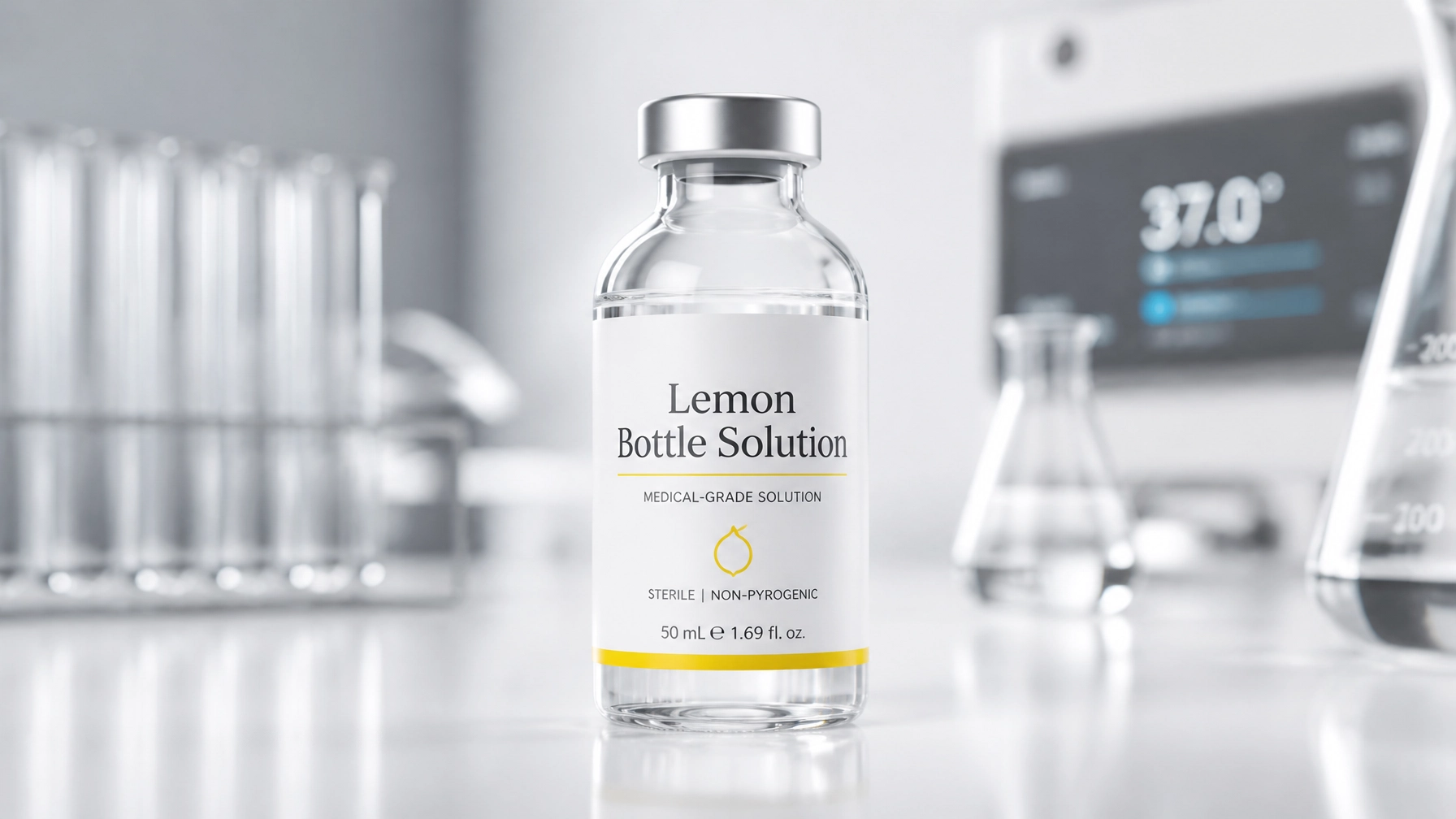
  • Lemon Bottle Research Guide: The Science of Non-Invasive Lipolysis

    Lemon Bottle Research Guide: The Science of Non-Invasive Lipolysis

    Hi Mate : Dr. Matt here from WLA (Weight Loss Australia).

    If you’ve been hanging around the body-composition research world lately, you’ve probably heard the coded chatter: “Lemon Bottle”. It’s often described as a non-surgical (and yep, “non-invasive-ish”) approach to localized l!p0lysis research: aimed at those stubborn subcutaneous fat pockets that don’t always budge, even when systemic metabolic pathways are being pushed hard.

    This guide is built for researchers who want the actual science, not just the hype. We’ll cover the core ingredients (riboflavin, lecithin, bromelain), the proposed mechanism, why evidence is still patchy, and how to structure safe, compliance-friendly research thinking around a product like this.

    Important compliance note (WLA): Our listings are research chemical only : not for human use. This article is educational and mechanism-focused, not “how-to” instructions.


    Quick link: Lemon Bottle at WLA


    What “Non-Invasive Lipolysis” Really Means (in Research Terms)

    In the aesthetics world, “non-invasive” usually means avoiding surgical removal of adipose tissue. In research-speak, l!p0lysis refers to the biochemical breakdown of triglycerides into free fatty acids + glycerol, and/or the disruption of adipocyte structure leading to localized changes in fat volume.

    Lemon Bottle is marketed as a direct fat dissolving solution that leans on a “bioactive blend” narrative rather than the older detergent-style approach many people associate with classic injection l!p0lysis products.

    The “problem → solution” framing looks like this:

    • Problem: Local fat depots (abdomen, flanks, submental area) can show site-specific resistance, influenced by vascularity, adrenergic receptor density, extracellular matrix stiffness, and local inflammatory tone.
    • Solution (claimed): A formula that supports lipid emulsification, metabolic cofactor support, and proteolytic tissue remodeling.

    Ingredient Deep Dive: The Lemon Bottle Triad (Plus Lemon Extract)

    According to WLA’s product page, Lemon Bottle combines bromelain, lemon extract, lecithin, and riboflavin. Here’s what that means mechanistically.
    Source: https://wlaustralia.store/product/lemon-bottle-10ml/

    Illustration showing Riboflavin, Lecithin and Bromelain synergy in a clinical style

    1) Riboflavin (Vitamin B2): Mitochondrial “Spark Plug” Cofactor

    Classification: Essential vitamin; precursor to flavin coenzymes FMN and FAD.

    Why it matters in metabolic pathways:
    FAD/FMN are deeply involved in redox reactions across energy metabolism: especially within the mitochondria. In a very broad sense, riboflavin availability supports enzymes involved in fatty acid β-oxidation and electron transport.

    Research interpretation (realistic):

    • Riboflavin is fundamental to metabolism, but the leap from “B2 supports metabolism” to “local B2 = targeted fat dissolution” is not strongly supported by robust human trials for Lemon Bottle specifically.
    • Still, it’s a plausible supporting ingredient in a blend designed around “metabolic signaling” aesthetics.

    2) Lecithin: Lipid Emulsification + Membrane Dynamics

    Classification: Phospholipid mixture (often rich in phosphatidylcholine).

    Why it’s in lipolysis-adjacent formulas:
    Lecithin is commonly framed as an emulsifier: helping fats disperse into smaller droplets. In some historic “mes0therapy-style” contexts, phospholipids have been discussed for their potential to influence adipocyte membrane integrity and lipid handling.

    Research interpretation (realistic):

    • Lecithin’s role is more defensible as a physical/chemical helper (emulsification, dispersion) than as a guaranteed “fat cell killer.”
    • It’s also part of why this blend gets positioned as “gentler” than harsher detergent-style approaches.

    3) Bromelain: Proteolytic Enzyme + Inflammation Modulation Narrative

    Classification: Proteolytic enzyme complex from pineapple (Ananas comosus).

    Common research interest areas:

    • Proteolysis (protein breakdown)
    • Post-procedural swelling/inflammation models (mostly oral/topical discussions in general literature, with mixed evidence)
    • Tissue remodeling hypotheses (more speculative for localized fat reduction)

    Research interpretation (realistic):

    • There is limited high-quality human evidence showing bromelain-based blends reliably produce localized fat loss when used in “fat dissolver” contexts.
    • However, bromelain’s reputation for modulating inflammatory signals is part of the marketing logic: “less swelling, cleaner contour.”

    4) Lemon Extract (Citrus limon): Antioxidant/Phytochemical Layer

    WLA’s page includes lemon extract as part of the blend. This is typically framed as an antioxidant/phytochemical addition (flavonoids, vitamin C associations).

    Research interpretation (realistic):

    • Likely supportive from a formulation story standpoint.
    • Not a stand-alone “lipolysis driver.”

    Proposed Mechanism: “Emulsify → Mobilize → Clear”

    A clean way to conceptualize Lemon Bottle’s proposed pathway is:

    1. Lipid emulsification / dispersion (lecithin)
    2. Local microenvironment support for metabolism (riboflavin)
    3. Proteolytic + inflammatory modulation narrative (bromelain)
    4. Antioxidant support layer (lemon extract)

    This is a systems-style formulation story: more “metabolic refinement” than “brute-force cytolysis.”

    Microscopic style visualization of adipocytes breaking down lipids


    What the Broader Evidence Says (and Why It Matters)

    Externally, multiple aesthetic medicine sources point out a key reality: Lemon Bottle has limited robust peer-reviewed clinical trial evidence demonstrating safety/efficacy as a localized fat dissolver in humans.

    Also worth noting: Swissmedic has published a consumer warning about “Lemon Bottle” products found online, including concerns around inconsistent contents and possible falsification in sampled products. Source: https://www.swissmedic.ch/swissmedic/en/home/humanarzneimittel/market-surveillance/medicinal-products-from-the-internet/warnings-related-to-medicinal-products-from-the-internet/warnung-lemon-bottle.html

    What this means for serious researchers:

    • Reproducibility and sourcing become the whole game.
    • If you’re studying “ingredient effects,” the first question is: does the vial contain what it claims?
    • High-quality supply chain + documentation matters more than hype.

    (That’s also why WLA leans hard into “lab-grade, compliance-first” positioning.)


    WLA Product Snapshot (Structured + Clear)

    Product: Lemon Bottle 10ml
    Scientific function/classification: Multi-ingredient l!p0lysis research solution (bioactive blend)
    Physical contents: 1× 10ml vial (solution)
    Listing: “Research chemical only : not for human use.”
    Product page: https://wlaustralia.store/product/lemon-bottle-10ml/


    “Stack Thinking” (Research Framing): Pairing Local + Systemic Metabolic Pathways

    No dosing instructions here (compliance), but from a purely conceptual research design perspective, Lemon Bottle often gets discussed alongside systemic metabolism tools.

    Stack Concept A: Lemon Bottle + “Brown Fat / Browning” research (5-Amino-1MQ)

    If you’re mapping localized lipid handling alongside systemic energy metabolism concepts, 5-Amino-1MQ is commonly positioned in the “BAT/browning” conversation.

    Stack Concept B: Lemon Bottle + Endurance metabolism tools (GW 0742 “Super Cardarine”)

    For researchers modeling fatty-acid utilization + endurance signaling:

    Stack Concept C: Lemon Bottle + AMPK pathway adjacency (AICAR)

    If your experimental lens is “AMPK-ish activation” and energy sensing:


    VIP Club Energy: Practical Navigation Tips (So You Don’t Get Lost)

    If you’re browsing categories fast:

    And if you want to stay in the loop for exclusive drops and restocks, the site also pushes VIP Club signup right in the store UI: worth using if you’re tracking high-demand items.


    FAQs (Research-Oriented)

    Is Lemon Bottle “proven” as a fat dissolver?

    High-quality, peer-reviewed human evidence for Lemon Bottle specifically appears limited. Many claims are mechanistic or anecdotal rather than trial-driven. External summaries frequently highlight that gap.

    Why do ingredients matter so much with products like this?

    Because blends can be marketed aggressively while the evidence base and even the batch composition (in the wider market) may be inconsistent. Ingredient-level thinking helps you interpret outcomes and reproducibility.

    Where can I find Lemon Bottle on WLA?

    Here: https://wlaustralia.store/product/lemon-bottle-10ml/


    Final Take: Scientific Luxury, But Stay Evidence-Literate

    Lemon Bottle is a “scientific luxury” style formulation: sleek, bioactive, and designed to sound like a refined answer to localized fat research.

    But the smart move is to keep two truths in your head at once:

    • The mechanistic story (riboflavin + lecithin + bromelain) is coherent enough to justify research interest.
    • The clinical evidence and market consistency concerns (as highlighted by regulators like Swissmedic) mean you should stay razor-sharp on sourcing and claims.

    If you’re building a serious protocol library, keep it clean: document, control variables, and treat every new blend like a hypothesis: not a guarantee.

    Author: Matt (WLA)

  • Kisspeptin-10 Research Guide: The Master Switch of Reproductive Health

    Kisspeptin-10 Research Guide: The Master Switch of Reproductive Health

    Hi Mate! If you’ve been diving deep into the world of hormone regulation and metabolic function, you’ve likely stumbled upon a name that sounds more like a Valentine’s Day card than a powerhouse research compound: Kisspeptin-10.

    But don't let the name fool you. At Weight Loss Australia (WLA), we recognize Kisspeptin-10 as one of the most sophisticated "master switches" in the human biological hard drive. It isn't just another peptide; it’s the primary gatekeeper for the Hypothalamic-Pituitary-Gonadal (HPG) axis. Whether your research focuses on restoring endocrine balance or exploring the frontiers of fertility and metabolic health, understanding the Kisspeptin pathway is absolutely essential.

    In this guide, we’re going to unlock the science behind Kisspeptin-10, explore how it revolutionizes our understanding of reproductive health, and look at why it’s becoming a staple in high-end bioregulator research.

    What is Kisspeptin-10?

    Kisspeptins are a family of neuropeptides derived from the KISS1 gene. While the body produces several versions (like Kisspeptin-54), Kisspeptin-10 (KP-10) is the shortest, most potent active fragment. In the world of "scientific luxury," KP-10 is the concentrated essence: the high-octane version used to trigger specific physiological responses.

    Originally discovered for its role in suppressing cancer metastasis (which is where the "Kiss" name comes from: M-KISS), researchers soon realized its true power lay in the brain. Specifically, KP-10 binds to the KISS1R receptor (GPR54) located on GnRH neurons. This binding is the "spark" that starts the entire hormonal engine.

    The Scientific Profile:

    • Classification: Neuropeptide / HPG Axis Stimulator
    • Target: GnRH Neurons / KISS1R Receptor
    • Format: Lyophilized powder for laboratory research
    • Main Goal: Endogenous hormone regulation and HPG axis restoration

    The HPG Axis: Flipping the Master Switch

    To understand why KP-10 is so transformative, you have to look at the HPG axis as a corporate ladder.

    1. The CEO (Hypothalamus): Releases GnRH (Gonadotropin-Releasing Hormone).
    2. The Manager (Pituitary): Receives GnRH and produces LH (Luteinizing Hormone) and FSH (Follicle-Stimulating Hormone).
    3. The Workers (Gonads): Receive LH/FSH to produce testosterone, estrogen, and sperm/eggs.

    In many cases of metabolic "stalling" or hormonal decline, the "CEO" just isn't sending the memo. Traditional approaches often try to replace the "Workers" (using exogenous hormones), which can lead to the "CEO" and "Manager" quitting entirely (shutdown).

    Kisspeptin-10 works at the very top. It doesn't replace the hormones; it re-activates the CEO. By stimulating the GnRH neurons directly, KP-10 encourages the body to produce its own endogenous hormones in a pulsatile, natural fashion.

    Molecular Signaling Diagram
    Prompt: A high-tech, clinical abstract illustration showing molecular signaling pathways in the human brain. Glowing nodes representing GnRH neurons being activated by neuropeptides. Minimalist, clean lines, professional medical aesthetic.

    Researching the "Male Hormone Reset"

    For researchers focusing on male metabolic health, KP-10 is a game-changer. One of the biggest challenges in longevity research is maintaining healthy T-levels without causing permanent HPG axis suppression.

    Studies have shown that KP-10 administration can lead to a rapid increase in LH and subsequent testosterone levels. Unlike exogenous TRT, which shuts down natural production, KP-10 acts as a restorative signal. It’s the difference between jump-starting a car and replacing the entire engine.

    Key Research Outcomes for Males:

    • Combatting Secondary Hypogonadism: Researching how KP-10 can "wake up" a dormant HPG axis.
    • Endogenous Boost: Triggering a natural rise in Luteinizing Hormone (LH).
    • Post-Research Recovery: Investigating KP-10’s role in restoring natural signaling after it has been suppressed by other compounds.

    Fertility and Ovulation: The Female Frontier

    The research into Kisspeptin isn't limited to one side of the aisle. In female subjects, Kisspeptin is the critical signal for the "LH surge" that triggers ovulation. This makes it a primary focus for studies involving fertility and reproductive health.

    When the HPG axis is disrupted: whether by extreme dieting, stress, or metabolic disorders: the Kisspeptin signal often drops. By re-introducing this signal, researchers are looking at how to transform the landscape of fertility treatments, moving away from harsh stimulators and toward more "bio-identical" signaling pathways.

    The Metabolic Connection: Beyond Reproduction

    At WLA (Weight Loss Australia), we are obsessed with how everything connects to the metabolism. Interestingly, Kisspeptin neurons in the brain are heavily influenced by energy-balance signals like Leptin.

    When the body is in a significant calorie deficit or a state of metabolic stress (common in intensive weight management protocols), Kisspeptin levels can drop. This is why "hormonal crash" is so common during weight loss. Researching KP-10 alongside compounds like Retatrutide (Ret) or Tirzepatide (Tirz) allows scientists to explore how to maintain hormonal health while simultaneously optimizing metabolic function.

    Laboratory Research Equipment
    Prompt: Close-up of a high-precision pipette adding a clear liquid to a micro-centrifuge tube in a sterile, modern lab. Soft lighting, clinical grey and white tones, high clarity.

    Why Quality Matters in Peptide Research

    When you are dealing with neuropeptides like Kisspeptin-10, precision is everything. You aren't just looking for a "chemical"; you are looking for a signal. If the peptide is degraded or impure, the "message" to the GnRH neurons gets lost in the noise.

    That’s why WLA focuses on high-purity sourcing. Our research community: our "VIP Club": knows that the difference between a successful study and a failed one often comes down to the quality of the compound.

    Features of WLA Kisspeptin-10 Research Supplies:

    • Ultra-High Purity: Rigorously tested for sequence accuracy.
    • Stability Focused: Lyophilized to ensure the peptide remains active during transit.
    • Clinical Packaging: Designed for easy reconstitution in a lab setting.

    How to Integrate Kisspeptin-10 into Your Research

    If you are starting a new study, navigation is key. You don't want to be guessing with your data.

    1. Dosing Calculations: Use our Peptide Calculator to ensure your research concentrations are pinpoint accurate.
    2. Synergistic Stacking: Many researchers look at combining KP-10 with other bioregulators. For example, pairing it with P21 for neuro-restoration or Cardiogen for systemic support.
    3. Monitoring: Always track LH and T-levels to see how the "Master Switch" is responding to the stimulus.

    Clinical Storage Setup
    Prompt: A professional medical refrigerator drawer filled with neatly organized research vials. Minimalist labels, clinical blue light, extreme focus and clarity. High-end biotech aesthetic.

    Final Thoughts from Matt

    Researching the HPG axis used to be a game of "wait and see." But with neuropeptides like Kisspeptin-10, we have the tools to revolutionize how we approach hormonal health and reproductive longevity. It is the pinnacle of "scientific luxury": a precise, targeted tool that speaks the body’s native language.

    Are you ready to unlock the next level of your research? Head over to our Bioregulator Category to explore our latest drops and join the frontline of metabolic science.

    Stay sharp, keep researching, and let’s push the boundaries of what’s possible.

    : Matt
    Lead Researcher, WLA