Author: infa sense

  • Thymalin: The Thymic Bioregulator for Immune Modulation, Longevity and Anti-Aging

    Thymalin: The Thymic Bioregulator for Immune Modulation, Longevity and Anti-Aging

    Think of your immune system as a sprawling, high-security construction site. For this site to operate safely and efficiently, every worker needs a specific set of skills, and the site foreman needs to deliver clear, precise instructions. In your body, the "training academy" for these workers, specifically your T-cells, is a small organ located behind your breastbone called the thymus gland.

    However, as we age, this training academy begins to shut down. By the time you reach your 40s or 50s, the "academy" has largely been replaced by fat, a process known as thymic involution. This leads to immunosenescence, or the gradual deterioration of the immune system.

    Thymalin is a thymic peptide complex designed to step in as the "master foreman." It doesn't just stimulate the immune system; it modulates it, ensuring your biological "workers" are trained, disciplined, and ready to protect your health. In this guide, you will learn how this bioregulator can help you take control of your immune biology and unlock a new level of longevity.


    The Problem: When the Training Academy Goes Dark

    Have you ever noticed that as people age, they seem to catch every cold that goes around, and recovery takes twice as long? Or perhaps you’ve seen how chronic inflammation begins to "rust" the body’s internal gears. This isn't just bad luck; it is a direct result of a failing thymus.

    Consider the thymus as a zipper that connects your innate immunity to your adaptive immunity. When the zipper is functioning perfectly, your body recognizes threats and zips up a defense immediately. As we age, the teeth of that zipper become misaligned. Your T-lymphocytes (T-cells) don't mature properly, and they lose the ability to distinguish between a "friend" (your own tissue) and a "foe" (a virus or pathogen).

    This leads to a three-pronged frustration:

    1. Increased Infection Risk: You become more vulnerable to viral and bacterial invaders.
    2. Slow Recovery: Your body’s "repair crew" moves at a snail's pace.
    3. Chronic Inflammation: The immune system stays "on" even when there is no threat, causing wear and tear on your organs.

    Conceptual illustration of the thymus gland as a training academy for immune cells


    The Solution: What is Thymalin?

    Thymalin is a polypeptide complex isolated from the thymus gland. Unlike a simple supplement that might just "boost" an immune response (which can sometimes lead to over-activity), Thymalin acts as a peptide bioregulator.

    To use another analogy, if your immune system is a car engine, a "booster" is like slamming on the accelerator. Thymalin, however, is like a master mechanic who fine-tunes the timing belt, cleans the spark plugs, and ensures the fuel-to-air ratio is perfect. It restores balance.

    How It Works at the Cellular Level

    Thymalin contains a sophisticated blend of short-chain peptides (such as EW and KE) that communicate directly with your DNA. When these peptides enter your system, they "re-awaken" the genes responsible for T-cell maturation. Focus on these three core actions:

    • Differentiation: It helps immature cells "decide" what kind of specialized soldier they need to become.
    • Proliferation: It encourages the production of new immune cells when the "supply" is low.
    • Apoptosis Regulation: It ensures that old, malfunctioning immune cells are retired (recycled) rather than staying in the body and causing inflammation.

    You can explore our full range of advanced peptides and bioregulators in the wlaustralia shop.


    [VIDEO PLACEHOLDER: Understanding the Thymus Gland and Immune Aging]


    Clinical Evidence: The Longevity Edge

    Much of the foundational research on Thymalin comes from decades of clinical study in Eastern Europe, particularly by the Khavinson Peptides group. In one landmark study involving elderly patients followed over 6–8 years, those treated with Thymalin showed a 2.0–2.4 times lower rate of acute respiratory infections compared to the control group.

    But the benefits extend far beyond just avoiding a winter flu. Thymalin is often categorized as a geroprotector, a compound that actively fights the mechanisms of aging.

    Synergy and Optimization

    In the world of longevity, we often talk about synergy. Thymalin is frequently used alongside other bioregulators to create a "full-body" restoration effect. For example, pairing it with vascular or organ-specific peptides can ensure that while your immune system is strong, your "supply lines" (blood vessels) are clear enough to deliver those immune cells where they are needed most.

    Consider exploring our BPC and BPC Blends for targeted recovery and systemic support, which often work in tandem with immune protocols.

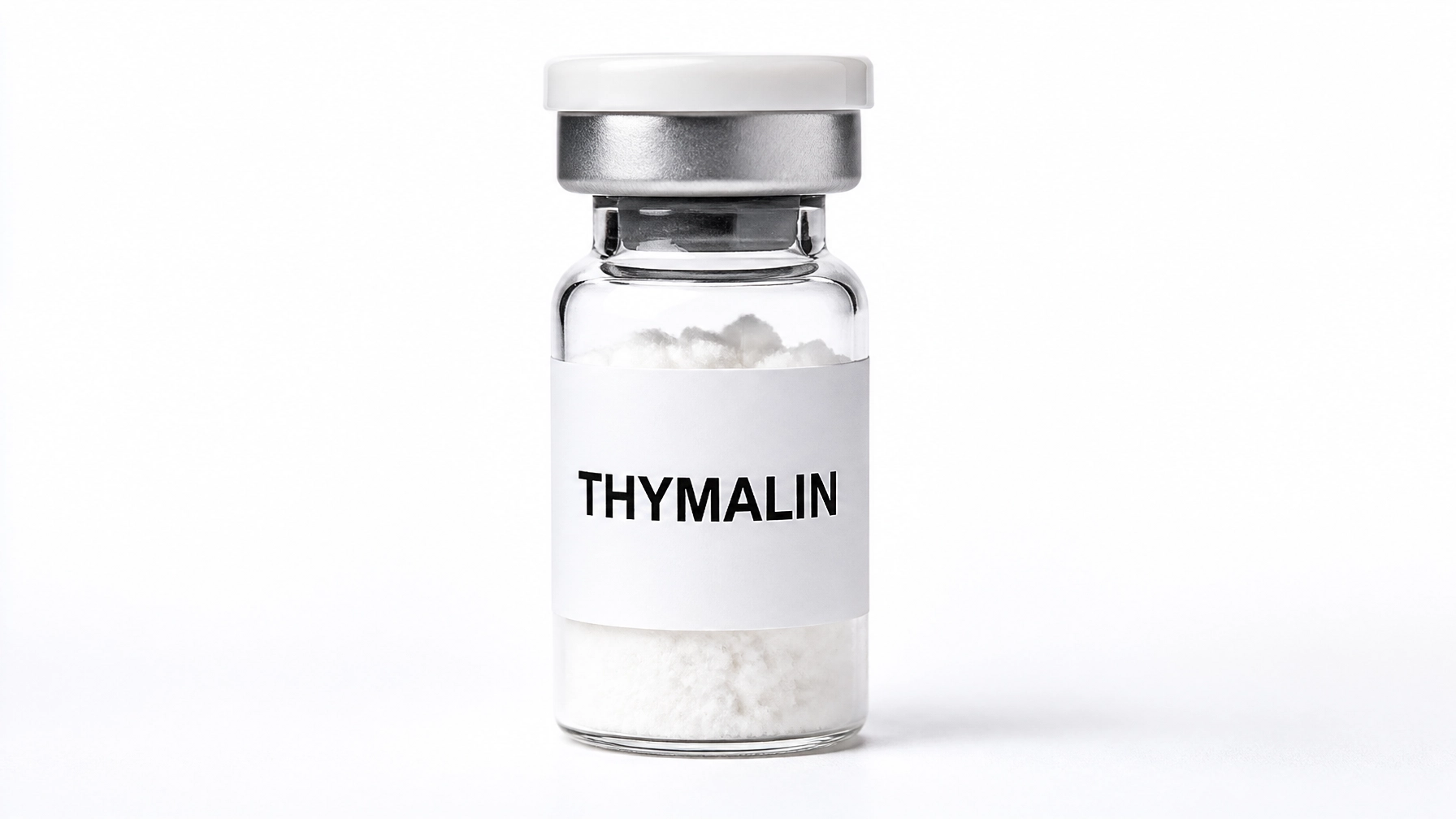
    Minimalist lab workstation with a vial of Thymalin


    Practical Application: How to Use Thymalin

    When you are ready to integrate Thymalin into your wellness routine, you must approach it with a sense of responsibility and structured planning. This is not a "take it once and forget it" supplement; it is a precision tool for biological optimization.

    The Standard Research Protocol

    Based on clinical literature, the most common approach for those seeking immune restoration or longevity support is a cyclical "course."

    Feature Standard Protocol
    Daily Dosage 10 mg
    Duration 10 Consecutive Days
    Administration Subcutaneous or Intramuscular
    Frequency Repeated every 6 months

    Important Note: Always ensure you are using high-quality supplies for reconstitution. If you are new to peptide administration, reviewing a guide on TB-500 can provide context on how similar regenerative peptides are handled and prepared.


    Safety, Legality, and the Australian Context

    In Australia, the landscape for advanced peptides like Thymalin is regulated by the Therapeutic Goods Administration (TGA). While Thymalin has a stellar safety profile in clinical trials with no significant reported side effects even in elderly populations, it is currently considered an "off-label" or experimental compound in many jurisdictions.

    Consider this: Before starting any bioregulator regimen, you must consult with a qualified medical professional who understands the nuances of peptide therapy. This ensures that your protocol is tailored to your specific blood markers and health history.

    Why Quality Matters

    The "wild west" of the internet is full of substandard products. Because Thymalin is a complex of peptides, its efficacy depends entirely on its purity and the integrity of its amino acid chains. At wlaustralia, we emphasize clinical-grade standards to ensure that what you are putting into your body is exactly what the research demands.


    [VIDEO PLACEHOLDER: How to Safely Reconstitute and Store Peptides]


    Comparison: Aging vs. Optimized Immunity

    To visualize the impact of thymic restoration, compare these two biological states:

    Feature Aging Immune System (Immunosenescence) Optimized Immune System (Post-Thymalin)
    T-Cell Diversity Low (Few specialized cells) High (Ready for various threats)
    Inflammatory Markers Chronically Elevated Balanced and Responsive
    Infection Resistance Weak / Frequent Illness Robust / Rapid Clearance
    Repair Capacity Slow and Inefficient Synchronized and Efficient

    Visual comparison of a rusty mechanism versus a polished, synchronized system


    Conclusion: Take Control of Your Biology

    The aging process doesn't have to be a slow slide into vulnerability. By understanding the role of the thymus and the power of bioregulators like Thymalin, you can act as the architect of your own longevity.

    Whether you are 30 and looking to maintain a peak-performance immune system, or 60 and seeking to restore the "training academy" of your youth, Thymalin offers a scientifically grounded path to optimization.

    Your next steps:

    1. Educate: Read more about peptide synergy on our blog.
    2. Consult: Speak with a healthcare provider about immune panels.
    3. Optimize: Explore our curated selection of bioregulators and supplements.

    Unlock your potential. Restore your defenses. Take control.


    Frequently Asked Questions

    Is Thymalin a steroid?
    No. Thymalin is a peptide bioregulator, which is a short chain of amino acids that acts as a signaling molecule. It does not have the hormonal or side-effect profile of anabolic steroids.

    How soon will I feel the effects?
    While some users report improved energy and "feeling better" within the first 10-day cycle, the true biological benefits: such as T-cell maturation and immune modulation: typically manifest over several weeks and are best measured through blood diagnostics.

    Can I take Thymalin with other supplements?
    Generally, Thymalin is highly compatible with other vitamins and minerals. However, its synergy with other peptides is where the most significant longevity benefits are found. Always discuss your full stack with a professional.
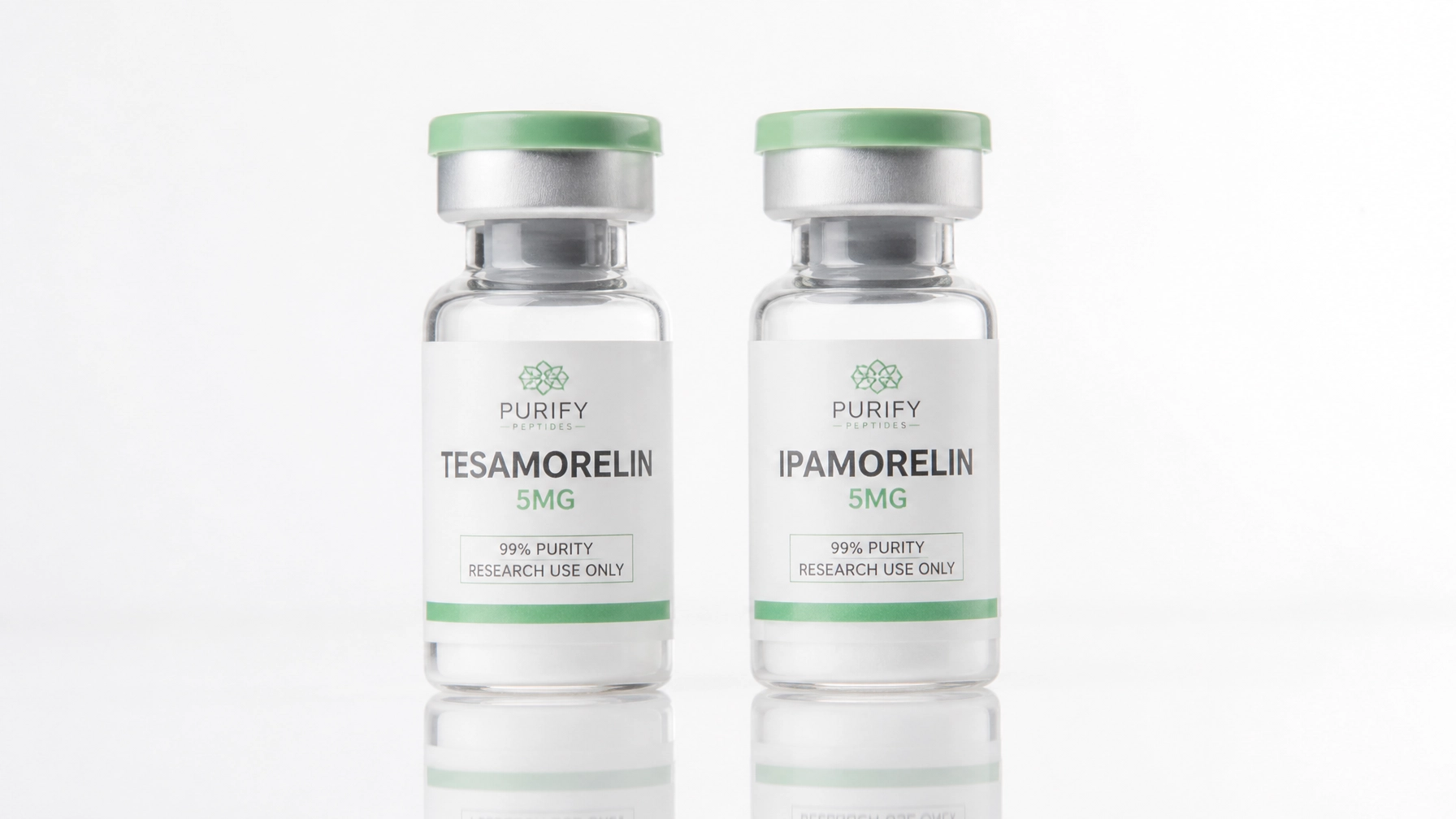
  • Tesamorelin & Ipamorelin Blend: The GH Secretagogue Stack for Growth Hormone and Fat Loss

    Tesamorelin & Ipamorelin Blend: The GH Secretagogue Stack for Growth Hormone and Fat Loss

    Think of your body as a massive, high-performance construction site. At the center of every renovation, repair, and expansion is the General Manager: Growth Hormone (GH). In your 20s, this manager is on-site 24/7, keeping the crew motivated, the materials moving, and the site clean. But as you cross into your 30s, 40s, and 50s, that manager starts taking longer lunch breaks. Eventually, they barely show up at all.

    This decline is known as somatopause: a natural "slowing down" of your biological factory. The results are visible and frustrating: stubborn fat starts accumulating in the "gut," muscles take longer to recover from a simple workout, and your sleep feels less restorative. You might feel like you are fighting against your own biology.

    You will learn how to bring the General Manager back to work. In this guide, we explore the Tesamorelin & Ipamorelin blend, a dual-action stack designed to reignite your natural GH production, target deep abdominal fat, and optimize your physical recovery. Consider this your blueprint for biological control.

    The Problem: The Aging Factory

    When your internal production of Growth Hormone drops, the "zipper" of your metabolism begins to snag. GH is responsible for signaling the body to burn fat for energy (lipolysis) and build lean tissue (protein synthesis). Without it, your body defaults to storage mode.

    Focus on the "visceral" problem. Visceral fat is the dangerous, deep-seated fat that wraps around your internal organs. It is different from the pinchable fat under your skin (subcutaneous fat); it is metabolically active and inflammatory. For many, diet and exercise alone feel like trying to move a mountain with a shovel because the underlying hormonal signal to "burn" is missing.

    [VIDEO_PLACEHOLDER: Explaining the Decline of Growth Hormone and Visceral Fat]

    The Solution: The Architect and the Foreman

    To fix a broken construction site, you don't just need more workers; you need a better plan and better leadership. This is where the Tesamorelin and Ipamorelin blend excels. It doesn't replace your hormones with a synthetic substitute (like HGH); instead, it "coaxes" your pituitary gland into working harder.

    1. Tesamorelin: The Architect

    Tesamorelin is a synthetic Growth Hormone Releasing Hormone (GHRH) analog. It acts as the "Architect." It sends a specific set of blueprints to the pituitary gland, instructing it to synthesize and release more GH. Its most famous "specialty" is its ability to target visceral adipose tissue (VAT). It is the only peptide FDA-approved for reducing deep abdominal fat in specific clinical settings.

    2. Ipamorelin: The Foreman

    Ipamorelin is a Growth Hormone Releasing Peptide (GHRP). If Tesamorelin provides the blueprints, Ipamorelin is the "Foreman" with the whistle. It triggers the actual "pulse" of GH release while simultaneously suppressing somatostatin: the hormone that acts like a "brake" on your GH production.

    Digital metabolic readout and vial representing biological optimization

    Comparison: GHRH vs. GHRP

    Understanding the difference is key to seeing why they are stacked together.

    Feature Tesamorelin (GHRH) Ipamorelin (GHRP)
    Primary Role Directs the pituitary to make more GH Triggers the timing/pulse of GH release
    Analogy The Architect (The Plan) The Foreman (The Action)
    Key Benefit Targeted visceral fat loss Lean muscle support & recovery
    Side Effects Rare, localized Low impact on hunger or cortisol

    Unlocking Synergy: Why 1 + 1 = 3

    When you combine these two, you create a biological synergy. Think of a car engine: Tesamorelin ensures there is plenty of fuel in the lines, and Ipamorelin provides the spark to ignite the engine at the right time. By attacking the GH axis from two different angles (the GHRH receptor and the Ghrelin receptor), the resulting "pulse" of growth hormone is significantly more robust than what either could achieve alone.

    Consider this: Using only one is like having the blueprints but no foreman to start the shift. Using the other is like having a foreman ready to work but no blueprints to follow. Together, the construction site hums with efficiency.

    Core Benefits of the Blend

    1. The "Deep Clean" (Visceral Fat Loss)

    The standout feature of Tesamorelin is its ability to reduce visceral fat. In clinical trials, users saw significant reductions in deep abdominal fat without losing lean muscle mass. By pairing it with Ipamorelin, you enhance the metabolic environment, making it easier for your body to access these stubborn fat stores for energy.

    2. Structural Reinforcement (Muscle & Recovery)

    Elevated GH leads to higher levels of IGF-1 (Insulin-like Growth Factor 1). IGF-1 is the primary mediator of GH's anabolic effects. It promotes muscle protein synthesis and supports the repair of connective tissues. If you are also using recovery-focused peptides like BPC-157 or TB-500, this blend acts as the foundation upon which those "repair crews" work.

    3. The System Reboot (Sleep & Vitality)

    Most of your natural GH release happens during deep, slow-wave sleep. Because this blend mimics a natural pulsatile rhythm, many users report a significant improvement in sleep quality. Better sleep means better cognitive function, more energy, and a more resilient immune system.

    Macro photo of a glass syringe and vial on a clinical white background

    Practical Safety & Maintenance

    At wlaustralia, we emphasize that biological optimization is a marathon, not a sprint. To "maintain the site" properly, you must follow strict protocols.

    • Medical Oversight: In the Australian regulatory landscape, it is vital to consult with a healthcare professional before starting any peptide protocol. You need baseline blood work to monitor your IGF-1 levels and glucose metabolism.
    • The "Pulse" Protocol: Most protocols involve 5 days of use followed by 2 days off (the 5/2 rule). This prevents your pituitary gland from becoming desensitized, ensuring the "Foreman" always responds to the "Whistle."
    • Glucose Monitoring: Because GH can influence how your body handles sugar, focus on a diet low in refined carbohydrates while using this blend to maintain insulin sensitivity.
    • Injection Site Care: Rotate your administration sites (usually in the subcutaneous fat of the abdomen) to avoid localized irritation.

    [VIDEO_PLACEHOLDER: Best Practices for Peptide Administration and Safety]

    Regional Context: The Australian Expert View

    Operating in Australia means adhering to high standards of clinical transparency. Our local climate and active lifestyle often demand faster recovery times and better metabolic health. Whether you are training at a local gym in Sydney or enjoying the outdoor lifestyle in Queensland, ensuring your hormonal health is optimized allows you to stay in the game longer.

    Summary: Take Control of Your Biology

    The Tesamorelin & Ipamorelin blend isn't a "magic pill," but it is a sophisticated tool for those looking to unlock their body's potential. By restoring a more youthful growth hormone rhythm, you provide your body with the instructions and the energy it needs to:

    • Reduce dangerous visceral fat.
    • Accelerate recovery from physical training.
    • Enhance lean muscle preservation.
    • Improve sleep architecture.

    If your "internal factory" has slowed down, it might be time to bring back the Architect and the Foreman. You can explore our full range of optimization tools at the wlaustralia shop.

    Minimalist health kit with a journal and vial on a white surface


    Disclaimer: The information provided is for educational purposes only. Tesamorelin and Ipamorelin are research chemicals and should only be used under the guidance of a qualified medical professional. Always consult with your doctor before starting any new supplement or peptide regimen.

  • SANA Dosage Guide: How to Use 5-(2-Nitroethenyl)Salicylic Acid for Optimal Metabolic Results

    SANA Dosage Guide: How to Use 5-(2-Nitroethenyl)Salicylic Acid for Optimal Metabolic Results

    Navigating the frontier of modern metabolic science can feel like trying to tune a high-performance racecar engine without a manual. You know the engine has incredible potential, but turning the wrong dial leads to frustration, inefficiency, or worse: system failure. When exploring advanced metabolic activators like SANA (5-(2-nitroethenyl)salicylic acid), understanding precise protocols is paramount.

    If you have struggled with stubborn metabolic slowdowns, plateaus in body composition goals, or the complexity of translating research compounds into real-world routines, you are not alone. In this comprehensive guide, you will learn the foundational science behind SANA, examine how preclinical and early clinical data inform dosing frameworks, and discover how to approach metabolic optimization with rigorous safety and medical oversight.

    For practical tools to map out your research protocols and calculations, be sure to visit our Research Dosage Worksheet.


    1. The Metabolic Puzzle: Why Traditional Approaches Hit a Wall

    The Frustration of Metabolic Plateaus

    You follow a strict nutrition plan, incorporate consistent resistance training, and yet your body weight and metabolic markers stubbornly refuse to budge. This frustrating plateau occurs because the human body is designed for survival, aggressively defending its baseline energy storage like a fortress during a siege.

    The Solution: Targeted Cellular Activation

    To bypass this survival defense, modern research looks beyond simple caloric restriction toward thermogenesis: the process by which your cells generate heat and burn excess energy. Think of your cellular metabolism like a central heating system in a large building. Traditional dieting simply turns down the thermostat (reducing input), whereas advanced metabolic modulators upgrade the furnace burners themselves to utilize energy more efficiently.


    2. What is SANA (5-(2-Nitroethenyl)Salicylic Acid)?

    Scientific laboratory research gear and micro-pipettes

    Before exploring any protocol, you must understand the exact nature of the compound. SANA (5-(2-nitroethenyl)salicylic acid) is a specialized nitroalkene derivative of salicylate engineered to exert profound metabolic effects at far lower concentrations than classical salicylates.

    Breaking Down the Terminology

    • Salicylate: A class of organic compounds known for anti-inflammatory and metabolic signaling properties.
    • Nitroalkene Derivative: A chemical modification that enhances the potency and cellular binding affinity of the molecule.
    • Creatine-Dependent Thermogenesis: A specialized cellular pathway where energy expenditure is stimulated in adipose (fat) tissue independently of shivering or voluntary muscle contraction.

    [Video Placeholder: Overview of SANA Mechanisms and Cellular Thermogenesis]


    3. Preclinical Dosing vs. Human Phase 1 Data: The Protocol Breakdown

    When evaluating how a compound behaves in biological systems, researchers examine both animal models and early-stage human trials. Because SANA is primarily classified as an investigational research compound rather than an over-the-counter supplement, dosing data is derived from specific experimental contexts.

    Study Model Regimen / Dosing Range Observed Metabolic Effect Key Takeaway
    Diet-Induced Obese Mice 10–20 mg/kg/day subcutaneous (s.c.) Protection against weight gain, improved fasting glucose, enhanced glucose tolerance. High potency at low subcutaneous thresholds.
    Oral Administration (Rodents) ~200 mg/kg/day oral (p.o.) Comparable tissue exposure and metabolic protection to lower subcutaneous doses. Demonstrates oral bioavailability in preclinical models.
    Phase 1 Human Trials 200–400 mg once daily for 15 days (single-dose escalation up to 800 mg) Short-term weight management and improved insulin sensitivity under medical monitoring. Establishes early human tolerability bounds in controlled settings.

    Analogy Time: Comparing animal data to human application is like testing a prototype bridge design on a scale model before building the full-scale highway. The physics principles remain similar, but load tolerances and environmental factors require rigorous recalibration.

    To assist with precise unit conversions and liquid or powder reconstitution metrics, consult our Reconstitution Calculator.


    4. Step-by-Step Titration and Timing for Optimal Results

    Digital laboratory scale displaying precise powder weight next to a capsule filling tray

    If you are examining research protocols or discussing therapeutic pathways with a qualified clinician, structured titration is the golden rule of biological integration.

    Step 1: Establish Baseline Metrics

    • Focus on: Comprehensive blood panels, including fasting blood glucose, HbA1c, lipid profiles, and liver enzymes.
    • Why it matters: You cannot optimize what you do not measure. Establishing a clear baseline ensures you can track physiological responses accurately.

    Step 2: Respect Conservative Thresholds

    • Focus on: Starting at the lowest possible exploratory threshold if engaging in authorized clinical research.
    • Instructional Guide: Never jump straight to maximum experimental dosages. Much like tuning a car engine, you increase fuel injection incrementally while monitoring temperature and pressure gauges.

    Step 3: Monitor Timing and Consistency

    • Focus on: Maintaining consistent daily administration intervals if studying pharmacokinetics (such as the ~0.5-hour time-to-peak plasma concentration observed in experimental profiles).
    • Actionable Rule: Pair your protocol tracking with daily journaling of energy levels, sleep quality, and metabolic markers.

    [Video Placeholder: Step-by-Step Guide to Compound Handling and Precision Weighing]


    5. Safety, Legal Status, and Medical Oversight

    Clean minimalist flat lay of clinical research gear and small amber vial

    A serious and authoritative approach to health requires strict adherence to safety, regulatory compliance, and medical oversight.

    Regulatory Reality Check

    SANA is not an approved over-the-counter dietary supplement by the Therapeutic Goods Administration (TGA) in Australia or the US Food and Drug Administration (FDA). It is distributed strictly as a laboratory research chemical. Self-medicating with unapproved experimental compounds carries unquantified risks, including unknown long-term effects on hepatic (liver) and renal (kidney) function, cardiovascular health, and platelet aggregation.

    Mitigating Risk Through Professional Guidance

    • Consult a Healthcare Professional: Always discuss any metabolic or supplemental protocol with a licensed physician or endocrinologist.
    • Prioritize Established Interventions: Ground your health journey in lifestyle optimization, nutritional precision, and clinically approved therapies.
    • Verify Supplier Integrity: Ensure any research materials are sourced from reputable providers maintaining rigorous quality standards. Learn more about our commitment to transparency on our About Us page.

    6. Conclusion and Unlocking Your Metabolic Potential

    Mastering the science of metabolic optimization requires patience, precision, and respect for biological complexity. While advanced molecules like SANA (5-(2-nitroethenyl)salicylic acid) represent an exciting frontier in researchers' understanding of creatine-dependent thermogenesis and insulin sensitivity, they demand rigorous adherence to safety and regulatory standards.

    By replacing guesswork with structured education, measuring your baseline metrics, and maintaining open dialogue with medical professionals, you can take control of your health journey with confidence and clarity.


  • Creatine-Dependent Thermogenesis: How SANA Burns Fat Without Stimulants or Exercise

    Creatine-Dependent Thermogenesis: How SANA Burns Fat Without Stimulants or Exercise

    If you have ever tried traditional fat burners, you already know the frustrating toll they take on your nervous system. You pop a pill, your heart races like a car engine idling at redline, your palms sweat, and by mid-afternoon, you crash hard. Worse yet, that jittery stimulant surge rarely translates to sustainable, long-term fat loss.

    You deserve a better way to take control of your metabolic health without compromising your sleep or cardiovascular safety. Consider this: what if you could turn your body's fat tissue into a natural heating plant: all without revving your heart rate or hitting the gym until you drop?

    In this comprehensive guide, you will learn the precise science behind SANA (5-(2-nitroethenyl)salicylic acid), a first-in-class metabolic activator. We will demystify creatine-dependent thermogenesis, compare it against traditional uncouplers, and show you how cellular optimization can unlock clean, sustainable energy expenditure.


    1. The Metabolism Problem: Why Stimulants Fail Long-Term

    The Frustration: When you rely on high-dose stimulants (like caffeine anhydrous, ephedrine, or synephrine) to drop body fat, your central nervous system bears the brunt of the stress. Your body treats these compounds like a five-alarm fire, forcing a temporary spike in calorie burning at the steep cost of elevated blood pressure, anxiety, and eventual metabolic burnout.

    The Solution: Shift your focus from neurological stimulation to mitochondrial optimization. Instead of whipping your nervous system into a frenzy, modern metabolic science targets the cellular machinery inside your fat tissue.

    Think of traditional stimulants as slamming down on a car’s accelerator while the parking brake is jammed: it makes a lot of noise and burns through fuel chaotically, but it destroys the engine. By contrast, advanced compounds like SANA act like a master mechanic recalibrating your engine's internal thermostat for clean, efficient heat generation.

    For more background on how we approach cutting-edge formulations at our laboratory, check out our about us page.


    2. What Is SANA and How Does It Work?

    The Frustration: Navigating advanced peptide and small-molecule research can feel like reading a foreign language. Acronyms fly fast, and it is easy to confuse a simple weight-loss fad with genuine clinical breakthroughs.

    The Solution: Let us break it down clearly. SANA (5-(2-nitroethenyl)salicylic acid) is a breakthrough small-molecule nitroalkene built upon a salicylate scaffold. Developed as a lead clinical candidate by Eolo Pharma, SANA is the very first compound proven to pharmacologically activate creatine-dependent thermogenesis in adipose (fat) tissue.

    +------------------------+------------------------------------------+
    | Feature                | Traditional Stimulant Fat Burners        | SANA (Metabolic Activator)               |
    +------------------------+------------------------------------------+------------------------------------------+
    | Primary Target         | Central Nervous System (Adrenergic receptors) | Mitochondria in Adipose Tissue (Fat)     |
    | Cardiovascular Impact  | High risk of elevated heart rate & blood pressure | Neutral / Clinically well-tolerated      |
    | Mechanism              | CNS-driven calorie burn & appetite suppression | UCP1-independent creatine futile cycling |
    | Sustainability         | Low (leads to adrenal fatigue & adaptation)| High (supports cellular energy output)   |
    +------------------------+------------------------------------------+------------------------------------------+
    

    When you introduce SANA into your protocol, you initiate a cascade of metabolic events at the cellular level:

    1. Cellular Uptake: SANA targets brown and beige adipose tissue.
    2. Kinase Binding: It binds directly to mitochondrial creatine kinases (CKMT1 and CKMT2).
    3. Activation: This binding triggers a dramatic increase in mitochondrial respiration without requiring physical exertion or nervous system overdrive.

    To plan your research protocols with precision and ensure precise measurements, make use of our research dosage worksheet.


    3. The Science of the Creatine Futile Cycle

    The Frustration: You might wonder: isn't creatine just for muscle building and gym performance? Why are we talking about it in fat loss?

    The Solution: Picture a construction crew on a job site where half the workers are digging a trench and the other half are immediately filling it back up. No actual building gets done, but a tremendous amount of energy: and heat: is generated. This is known in biology as a futile cycle.

    Supplement capsules arranged neatly on a pristine white background

    In fat tissue mitochondria, creatine participates in a specialized metabolic loop:

    • ATP Hydrolysis: Adenosine triphosphate (ATP, the primary energy currency of your cells) is repeatedly consumed to phosphorylate creatine.
    • Dissipation: The resulting phosphocreatine is broken back down, releasing the stored energy strictly as thermal heat rather than mechanical work.
    • The SANA Catalyst: SANA upregulates creatine metabolism genes and supercharges this exact loop.

    Because Australia’s variable climate: ranging from the humid tropics of the north to the crisp winters of the southern states: demands flexible metabolic adaptation, your body naturally seeks efficient ways to regulate core temperature and energy balance. SANA harnesses this natural evolutionary machinery to burn calories cleanly as heat.


    4. SANA vs. UCP1-Based Uncouplers: What Makes It Different?

    The Frustration: For decades, researchers believed that non-shivering thermogenesis relied solely on UCP1 (Uncoupling Protein 1), a protein found in brown fat. However, adult humans possess relatively modest amounts of active brown fat, limiting the practical utility of pure UCP1 uncouplers.

    The Solution: SANA completely bypasses this limitation.

    • UCP1 Independence: Studies confirm that SANA maintains its robust thermogenic and anti-obesity effects even in UCP1-deficient models.
    • AMPK Independence: Unlike many metabolic regulators that depend on AMPK (AMP-activated protein kinase): the cell's primary energy sensor: SANA operates independently of this pathway.

    Think of UCP1 as a single emergency exit door in a massive stadium. If that door is jammed or small, crowd evacuation is restricted. SANA opens up an entirely new, multi-lane highway: the creatine-dependent pathway: allowing your cells to dissipate energy efficiently regardless of your baseline UCP1 levels.

    [Video placeholder: Explanation of Creatine Futile Cycle and UCP1-Independent Thermogenesis in Adipose Tissue]


    5. Synergizing SANA for Ultimate Metabolic Optimization

    The Frustration: Taking a single supplement in isolation often yields incremental results. True biological optimization requires strategic synergy: combining complementary pathways to achieve maximum efficiency.

    The Solution: Pair your understanding of cellular metabolic pathways with comprehensive wellness stacks. When researchers evaluate modern metabolic enhancement, they often look at how small-molecule activators integrate with incretin mimetics or targeted peptide protocols found across our specialized categories like tiiirz.

    Optimization Pillar Focus Area Actionable Strategy
    Synergy Mitochondrial Efficiency Combine SANA's creatine-futile activation with adequate daily creatine intake to fuel the cycle.
    Recovery Cellular Repair Support post-workout and metabolic repair with clean nutritional support and proper hydration.
    Safety Clinical Oversight Always verify compound purity, adhere strictly to recommended research dosages, and consult medical professionals.

    For precise liquid reconstitution and preparation when mixing related research solutions, consult our interactive reconstitution calculator.


    6. Practical Safety, Compliance, and Maintenance

    The Frustration: Exploring advanced alternative medicines and research compounds can feel daunting without clear regulatory guidance and safety parameters.

    The Solution: Ground your protocols in rigorous responsibility.

    • Medical Oversight: Always consult a qualified healthcare professional before introducing novel metabolic activators, especially if you manage underlying metabolic conditions such as insulin resistance or type 2 diabetes.
    • Regulatory Compliance: Ensure that any compounds you acquire meet stringent Australian therapeutic standards and are handled strictly according to intended research parameters.
    • Gradual Monitoring: Focus on sustainable lifestyle integration: combining balanced nutrition, regular resistance training, and cellular support for lifelong vitality.

    High-end pharmaceutical-grade supplement packaging on a clean surface

    [Video placeholder: Clinical Overview of SANA Dosage, Safety Protocols, and Metabolic Tracking]


    Final Thoughts: Take Control of Your Biology

    You now possess the foundational knowledge to look beyond jittery stimulants and embrace true cellular optimization. By unlocking creatine-dependent thermogenesis, SANA offers a glimpse into the future of sustainable, stimulant-free metabolic health.

    Focus on consistency, prioritize scientific literacy, and take absolute control of your biological potential today.


  • The Triple Threat Metabolic Stack: SANA, SLU-PP-915 & AOD 9604 for Total Fat Loss

    The Triple Threat Metabolic Stack: SANA, SLU-PP-915 & AOD 9604 for Total Fat Loss

    You have spent months dialing in your macros, crushing your workouts, and tracking every calorie, yet that stubborn pocket of fat refuses to budge. The frustration of hitting a hard metabolic plateau is something every biohacker and fitness enthusiast knows all too well. When your body's internal thermostat locks into survival mode, standard calorie restriction feels like trying to bail out a sinking ship with a teaspoon.

    To break through this barrier, you must move beyond basic dieting and look toward advanced biological optimization. Enter the conceptual "triple threat" metabolic stack: SANA (5-(2-nitroethenyl)salicylic acid), SLU-PP-915, and AOD 9604. Think of this combination not as a magic pill, but as tuning a high-performance race car where three distinct mechanics work on three separate engine components simultaneously.

    In this comprehensive guide, you will learn how each compound targets a unique physiological pathway: creatine thermogenesis, mitochondrial uncoupling, and growth hormone-mediated lipolysis: and why understanding their synergy and safety profile is vital before making any decisions. For a deeper look at research protocols, visit our research dosage worksheet or reach out via our contact us page.


    1. SANA (5-(2-nitroethenyl)salicylic acid): The Creatine-Thermogenesis Engine

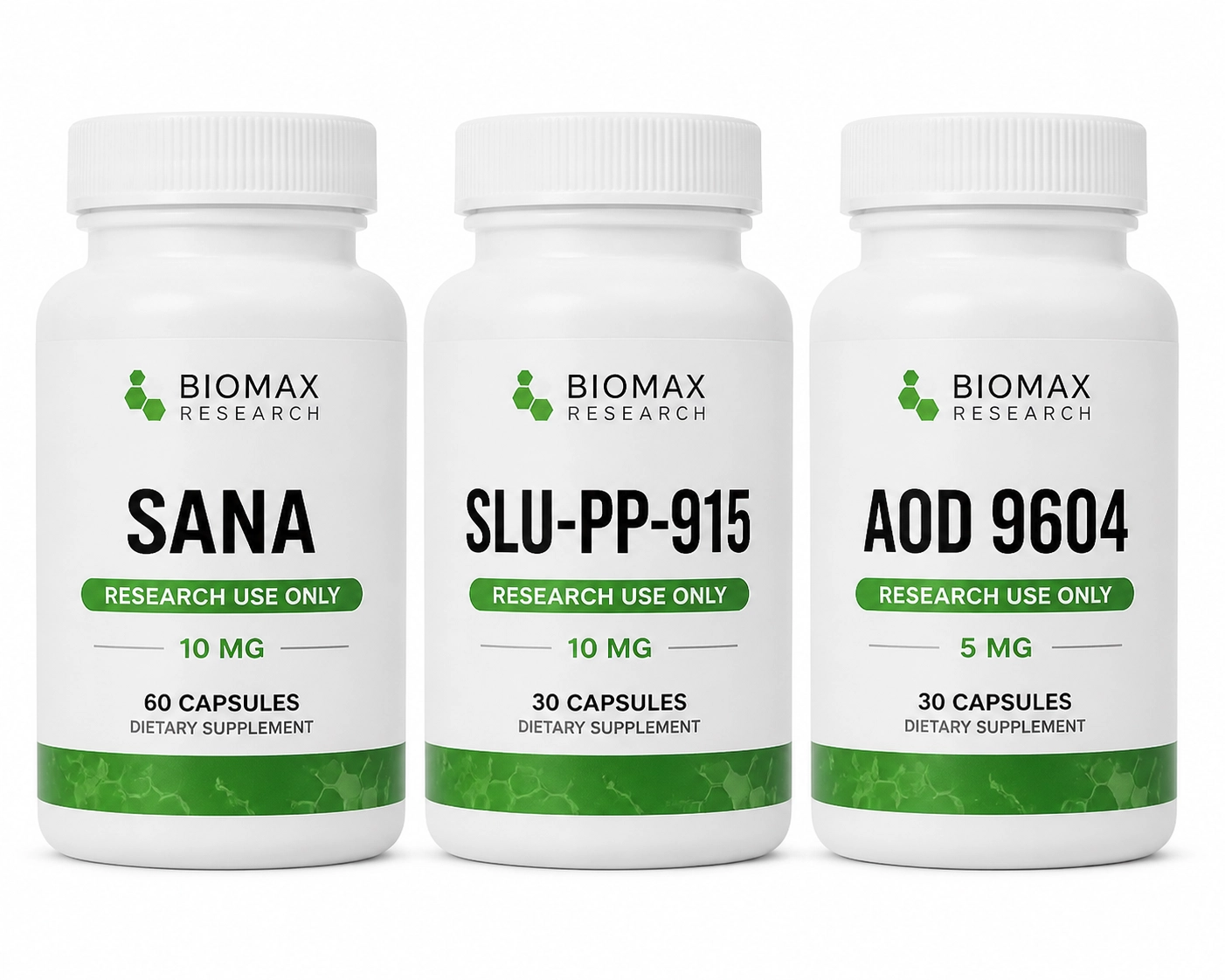
    Supplement bottle labeled SANA on a clean white background

    The Problem: Sluggish Adipose Energy Expenditure

    When you restrict calories, your fat tissue (adipose tissue) fights back by conserving energy, slowing down cellular respiration, and reducing heat production. Your cells act like a miserly bank vault, locking away triglycerides and refusing to burn them as heat.

    The Solution: First-in-Class Adipose Activation

    SANA (5-(2-nitroethenyl)salicylic acid) is a groundbreaking nitroalkene derivative that acts as a first-in-class activator of creatine-dependent thermogenesis in adipose tissue. Imagine a construction crew suddenly lighting a massive bonfire inside your fat cells, turning stored fat directly into body heat without requiring you to shiver or exercise.

    • Mechanism: SANA binds to creatine kinases (CKMT1/2), stimulating mitochondrial respiration and burning energy through a creatine-cycling loop.
    • UCP1 Independence: Unlike traditional uncouplers, SANA operates independently of Uncoupling Protein 1 (UCP1), making it effective even in white adipose tissue.
    • Metabolic Reset: Animal models and early human Phase 1 data show impressive improvements in insulin sensitivity, lipid profiles, and body weight reduction within short exposure windows.

    Focus on SANA: By targeting creatine cycling, you unlock a novel channel of energy expenditure that bypasses standard hormonal bottlenecks.


    2. SLU-PP-915: The Mitochondrial Uncoupling Accelerator

    Research compound bottle labeled SLU-PP-915 on a clean white background

    The Problem: Cellular Energy Stagnation

    Even when your fat cells are mobilized, your cellular power plants (mitochondria) can become bogged down, producing ATP (adenosine triphosphate: the primary energy currency of the cell) with maximum efficiency. High efficiency sounds good on paper, but in fat loss, maximum efficiency means your body refuses to waste any excess fuel as heat.

    The Solution: Direct Mitochondrial Protonophore Action

    SLU-PP-915 is a research-only small molecule designed as a mitochondrial protonophore/uncoupler. Imagine slightly opening the safety valve on a high-pressure steam boiler. SLU-PP-915 gently dissipates the mitochondrial proton gradient, forcing your cells to burn significantly more substrate (fatty acids and glucose) just to maintain baseline cellular energy.

    • Systemic Energy Output: While SANA focuses on creatine-dependent pathways in fat tissue, SLU-PP-915 drives whole-body resting energy expenditure.
    • Substrate Oxidation: This uncoupling action forces your metabolism to aggressively oxidize circulating lipids.

    [Video Placeholder: Watch our expert breakdown of mitochondrial protonophores and metabolic uncoupling dynamics.]

    Action Step: Always review regulatory compliance and supplier purity certificates on our legal page before handling experimental research compounds.


    3. AOD 9604: The Growth Hormone-Mediated Lipolytic Specialist

    Peptide vial labeled AOD 9604 on a clean white background

    The Problem: Stubborn Fat Storage (Lipogenesis)

    You can increase thermogenesis all day long, but if your body's default hormonal signaling actively promotes fat storage (lipogenesis) over fat breakdown (lipolysis), your net progress will stall.

    The Solution: Precision Peptide Mobilization

    AOD 9604 is a synthetic peptide fragment representing amino acids 176–191 of human growth hormone (GH 176–191). Think of AOD 9604 as a master locksmith equipped with a specialized key that unlocks fat cell membranes. It stimulates lipolysis and inhibits lipogenesis without triggering the unwanted IGF-1 (insulin-like growth factor 1) spikes or blood sugar fluctuations associated with full-length growth hormone.

    • Targeted Mobilization: AOD 9604 frees up stored triglycerides so they can be released into the bloodstream.
    • The Synergy Effect: Once AOD 9604 mobilizes those fatty acids, compounds like SANA and SLU-PP-915 provide the furnace needed to oxidize them completely.

    4. The Synergy Showdown: Comparing the Triple Threat Pathways

    Laboratory scale and scientific notes with a supplement bottle on a clean white background

    To truly master biological optimization, you must understand how these three agents complement one another. Let us break down their mechanisms side-by-side:

    Compound Primary Pathway Cellular Mechanism Main Physiological Result Clinical / Research Status
    SANA Adipose Thermogenesis Binds creatine kinases, drives creatine-cycling Increased heat generation & weight loss independent of UCP1 Phase 1 human trials completed; research use only
    SLU-PP-915 Mitochondrial Uncoupling Protonophore action across inner mitochondrial membrane Elevated resting energy expenditure & substrate oxidation Preclinical animal models; experimental research compound
    AOD 9604 GH-Mediated Lipolysis Mimics GH region 176–191 to stimulate fat release Enhanced lipolysis without IGF-1 elevation or blood sugar impact Investigated in human trials; restricted in athletic competition

    [Video Placeholder: Detailed comparison walkthrough of multi-pathway metabolic stacks and physiological safety margins.]

    Pro Tip: To explore our broader company mission and quality standards, visit our about us page.


    5. Navigating Safety, Compliance & Medical Oversight in Australia

    The Problem: The Risks of Unregulated Stacking

    While the theoretical synergy of combining SANA, SLU-PP-915, and AOD 9604 is fascinating for researchers, stacking experimental agents multiplies potential risks. Unregulated thermogenic stacking can lead to:

    • Thermoregulatory Strain: Overheating or subclinical chronic hyperthermia from stacked energy dissipation.
    • Cardiovascular Stress: Tachycardia and elevated heart rate resulting from excessive metabolic demand.
    • Hepatic & Mitochondrial Fatigue: Overworking cellular machinery without adequate recovery.

    The Solution: Strict Medical Oversight and Regional Compliance

    As an Australian researcher or consumer, you must prioritize safety, legal compliance, and professional guidance above all else.

    • Consult Healthcare Professionals: Never self-administer experimental stacks without direct medical supervision.
    • Respect Local Regulations: Compounds like SANA and SLU-PP-915 are distributed strictly for laboratory and in vitro research purposes. AOD 9604 is restricted under WADA guidelines for competitive athletes.
    • Prioritize Baseline Health: Focus on sleep, foundational nutrition, and hormone balance before considering advanced metabolic modulators.

    Take Control: True biological optimization is a marathon, not a sprint. Protect your health by relying on transparent science, rigorous testing, and clinical oversight. Ready to learn more? Connect with our team via our contact us page.


  • The Ultimate Metabolic Stack: SANA & GLP-1 Agonists for Next-Level Weight Loss

    The Ultimate Metabolic Stack: SANA & GLP-1 Agonists for Next-Level Weight Loss

    You have tried everything. You cleaned up your diet, crushed your workouts at the gym, and yet, the scale refuses to budge. Weight loss plateaus are the ultimate frustration in modern health optimization.

    Consider this: managing your weight is like tuning a high-performance car engine. If you only focus on pressing the brake pedal (reducing food intake), you ignore the spark plugs and fuel injection (metabolic rate and energy expenditure). To achieve true, sustainable transformation, you need synergy between two distinct biological levers: crushing appetite while simultaneously turning up internal heat production.

    In this comprehensive guide, you will learn how combining SANA (5-(2-nitroethenyl)salicylic acid) with GLP-1 (Glucagon-Like Peptide-1) receptor agonists creates the ultimate metabolic stack. By targeting complementary pathways, this approach unlocks a new era of cellular optimization and fat loss.


    The Frustration: Why Calorie Restriction Alone Stalls Your Progress

    The Problem: You cut calories, and your body panics. It perceives starvation and downshifts your metabolism like a thermostat turning off the heater in winter.

    The Solution: You must outsmart metabolic adaptation. When you restrict food intake without supporting energy expenditure, your body preserves fat and burns precious muscle tissue. To break through this wall, you need a dual-action strategy: suppress intake on one end, and force your fat cells to burn energy on the other. This is where metabolic stacking comes into play.


    Meet SANA: The Breakthrough in Adipose Thermogenesis

    Professional product photography of a supplement bottle labeled SANA next to a modern wellness injection pen

    The Problem: Traditional fat-loss supplements often rely on generalized central nervous system stimulants that leave you jittery, raise your heart rate dangerously, or fail to target actual fat stores.

    The Solution: SANA (5-(2-nitroethenyl)salicylic acid) is a first-in-class small-molecule nitroalkene that revolutionizes how we approach thermogenesis.

    Instead of forcing your body into a state of nervous tension, SANA targets BAT (Brown Adipose Tissue) and WAT (White Adipose Tissue), driving creatine-dependent, UCP1-independent non-shivering thermogenesis.

    • What does this mean for you? SANA activates "futile creatine cycling" inside your fat cells. Mitochondria repeatedly interconvert creatine and phosphocreatine, consuming ATP (adenosine triphosphate, the cellular energy currency) and releasing it purely as heat.
    • UCP1 Independence: Unlike older agents that require UCP1 (Uncoupling Protein 1) to generate heat, SANA bypasses this limitation entirely. Even when traditional brown fat pathways are inactive, SANA keeps your cellular furnace burning.

    Core Principle: True biological optimization requires upgrading your cellular machinery, not just starving it.

    [Video Placeholder: Watch our expert breakdown on how SANA activates creatine-dependent thermogenesis in adipose tissue]


    Meet GLP-1 Agonists: Mastering Appetite Suppression

    The Problem: Willpower alone is a finite resource. Fighting constant hunger cues and food noise makes long-term caloric deficits nearly impossible to maintain.

    The Solution: Enter GLP-1 (Glucagon-Like Peptide-1) receptor agonists: such as Tirzepatide and Retatrutide: which act as master regulators of satiety and gastric emptying.

    By mimicking natural incretin hormones, GLP-1 agonists signal your brain that you are full, smoothing out blood sugar spikes and silencing the persistent cravings that sabotage your nutrition plan. When you combine peptide therapies with structured wellness protocols, you take total control of your intake. Explore our professional offerings in the Retatrutide category and the Tiiirz category to see how modern peptide science supports your goals.


    The Ultimate Synergy: How SANA and GLP-1 Agonists Complement Each Other

    Professional product photography of advanced metabolic support supplement capsules in a sleek white bottle

    The Problem: Using appetite suppressants alone can lead to sluggish energy expenditure as your body adapts to lower food intake. Conversely, thermogenic agents alone cannot silence a powerful appetite.

    The Solution: Stacking SANA with a GLP-1 agonist creates a magnificent construction site analogy.

    • The GLP-1 Agonist acts as the site manager, locking the front gates against incoming excess supplies (caloric intake).
    • SANA acts as the high-powered demolition crew inside, forcing the existing warehouses (fat stores) to burn through stored reserves for heat.

    Together, they form a closed-loop system of metabolic synergy.

    Comparative Breakdown: Mechanisms in Action

    Compound Class Primary Site of Action Core Mechanism Key Advantage
    GLP-1 Agonists (e.g., Tirzepatide, Retatrutide) Pancreas, Hypothalamus, Gut Enhances insulin secretion, delays gastric emptying, signals satiety Silences "food noise" and effortless caloric deficit
    SANA Capsules Brown & White Adipose Tissue Creatine-dependent futile cycling, mitochondrial respiration Increases basal energy expenditure without nervous jitter
    The Combined Stack Systemic + Adipose Tissue Dual-pathway appetite suppression + non-shivering heat production Next-level fat loss without metabolic slowdown

    Practical Protocol & Dosing Strategy: Ensuring Safety and Recovery

    Professional product photography of health care supplement bottles and research vials arranged neatly

    The Problem: Diving into advanced protocols without structured guidance or medical oversight leads to burnout, side effects, and suboptimal results.

    The Solution: Approach your stack like a seasoned coach preparing an elite athlete.

    1. Establish Baseline Health: Consult with a qualified healthcare professional before introducing new metabolic agents. Ensure your baseline nutritional status, hydration, and electrolyte balance are dialed in.
    2. Start Low and Go Slow: Introduce compounds incrementally. Allow your body time for recovery and adaptation as metabolic rate increases.
    3. Monitor and Track: Pay close attention to your daily energy levels, sleep quality, and physical recovery. If you are reconstituting research peptides for your laboratory protocols, always utilize precision tools such as our Reconstitution Calculator to ensure absolute accuracy.

    [Video Placeholder: Step-by-step tutorial on calculating peptide dosages and structuring a safe multi-phase wellness protocol]

    Safety First: Compliance with regional health regulations and medical supervision is paramount. Our commitment at WLAustralia is to provide transparent, research-backed education to empower your health journey safely.


    Conclusion: Take Control of Your Biology Today

    You no longer have to accept a stagnant metabolism or endless food cravings as your baseline. By harnessing the dual power of SANA's adipose thermogenesis and GLP-1's appetite regulation, you unlock a superior pathway for fat loss.

    Embrace the core principles of synergy, recovery, and optimization. Take control of your biology, elevate your standards, and step into your ultimate potential today.

  • SANA vs SLU-PP-915 vs BAM-15: The Ultimate Metabolic Activator Showdown

    SANA vs SLU-PP-915 vs BAM-15: The Ultimate Metabolic Activator Showdown

    You will learn that navigating modern metabolic science feels much like upgrading a high-performance sports car engine while it is already running at full throttle. When diet and standard training protocols hit a biological wall, researchers and wellness enthusiasts look toward cutting-edge compounds designed to ignite cellular energy expenditure. Today, we confront a fascinating heavyweight clash between three of the most talked-about investigational agents in metabolic research: SANA (5-(2-nitroethenyl)salicylic acid), SLU-PP-915, and BAM-15.

    Whether you are exploring advanced research pathways or aiming to understand how novel thermogenic pathways redefine human biochemistry, this comprehensive showdown will break down their mechanisms, compare their distinct approaches to energy homeostasis, and guide you through the safety frameworks necessary for clinical and laboratory evaluation.


    The Frustration of Sluggish Energy Systems: Why Conventional Approaches Fail

    You have likely experienced the frustration: despite dialing in macronutrients and committing to rigorous training schedules, metabolic adaptation sets in like an uninvited anchor. Think of your cellular mitochondria: the microscopic power plants inside your cells: as the furnaces of a massive construction site. Over time, the furnaces accumulate ash, efficiency drops, and energy production slows down to conserve resources.

    Standard dieting triggers a survival response, dampening your metabolic rate just like an engine throttling back to save fuel during a shortage. To break through this biological plateau, you need a targeted master key that bypasses normal feedback loops. That is where next-generation metabolic activators come into play. By focusing on optimization and recovery, these compounds offer distinct routes to revving up cellular energy expenditure.


    Contender 1: SANA (5-(2-nitroethenyl)salicylic acid) – The Creatine-Dependent Thermogenesis Pioneer

    Professional clinical laboratory setting with scientific research vials

    The Problem: Adipose Tissue Efficiency Lock

    In typical obesity and metabolic slowdown, white adipose tissue (fat storage) stubbornly hoards calories, refusing to dissipate energy as heat. Traditional fat-burners rely on stimulant pathways that over-stimulate the central nervous system, often leading to jittery side effects and cardiovascular strain.

    The Solution: SANA’s Targeted Pathway

    SANA (5-(2-nitroethenyl)salicylic acid), a novel nitroalkene derivative of salicylate, approaches this challenge from an entirely different angle. Imagine SANA as a specialized construction crew that arrives at the cellular site and installs high-efficiency heating units directly into fat tissue.

    Instead of relying on classical mitochondrial uncoupling or overworking the sympathetic nervous system, SANA drives creatine-dependent energy expenditure and thermogenesis in adipocytes (fat cells).

    • Mechanism in Action: SANA enhances mitochondrial respiration in intact adipocytes in vivo without acting as a classical mitochondrial uncoupler in isolated mitochondria in vitro. It operates independently of UCP1 (Uncoupling Protein 1) and AMPK (Adenosine Monophosphate-Activated Protein Kinase) pathways.
    • Preclinical & Human Insights: In rodent diet-induced obesity (DIO) models, SANA promotes weight loss, combats liver steatosis (fatty liver), and improves insulin sensitivity: even under thermoneutral conditions that mimic typical human environments. Early short-term human trials (15 days) in lean and overweight volunteers have shown promising tolerability and positive shifts in glucose management.

    To explore how these innovations integrate with broader metabolic toolkits, take a moment to review our resources on wlaustralia and our research dosage worksheet.


    Contender 2: SLU-PP-915 – The Pan-ERR "Exercise-Mimetic" Agonist

    The Problem: Physical Fatigue and Mitochondrial Decay

    As we age or undergo chronic metabolic stress, the genetic machinery responsible for building new mitochondria in skeletal muscle and cardiac tissue begins to stall. You want the metabolic benefits of a 10-kilometer run, but physical fatigue or joint strain limits your training capacity.

    The Solution: Pharmacological Endurance via SLU-PP-915

    SLU-PP-915 is a synthetic small-molecule pan-ERR (Estrogen-Related Receptor) agonist developed at Saint Louis University. Think of SLU-PP-915 as a master architect handing out blueprint upgrades to every muscle fiber in your body, simulating the exact cellular cascade triggered by endurance training.

    • Mechanism in Action: SLU-PP-915 binds and activates all three orphan nuclear receptor isoforms: ERRα, ERRβ, and ERRγ: with an effective concentration ($EC_{50}$) of roughly 400 nM. This upregulates canonical target genes including PGC-1α (Peroxisome Proliferator-Activated Receptor Gamma Coactivator 1-Alpha), which commands the cell to build fresh, high-output mitochondria.
    • Performance & Cardiac Research: In rodent studies, SLU-PP-915 significantly enhanced aerobic running capacity and upregulated fatty acid oxidation genes in skeletal muscle. Furthermore, parallel research on related pan-ERR agonists demonstrated marked improvements in cardiac ejection fraction and mitochondrial function in pressure-overload heart failure models.

    [VIDEO_PLACEHOLDER: Watch our expert breakdown of exercise-mimetics and nuclear receptor agonists in metabolic research]


    Contender 3: BAM-15 – The Mitochondrial Protonophore Uncoupler

    Comparison laboratory glassware and precise scientific instruments

    The Problem: Uncontrolled Cellular Energy Leakage

    If SANA is a precision thermostat and SLU-PP-915 is a personal fitness trainer, classical uncouplers historically acted like a sledgehammer to cellular respiration. Early compounds like 2,4-dinitrophenol (DNP) dangerously collapsed cellular energy production, frequently resulting in fatal hyperthermia.

    The Solution: Targeted Proton Flux with BAM-15

    BAM-15 was engineered as a small-molecule mitochondrial protonophore designed to selectively uncouple mitochondrial respiration without the extreme toxicity profile of older uncouplers. Imagine puncturing tiny, controlled escape hatches in the inner mitochondrial membrane, forcing the engine to burn through glucose and fatty acids at an accelerated rate just to maintain baseline energy.

    • Mechanism in Action: BAM-15 acts directly as a proton carrier, dissipating the proton gradient across the inner mitochondrial membrane. This spikes oxygen consumption and increases whole-body energy expenditure, successfully preventing diet-induced obesity in preclinical rodent models.
    • The Catch: Despite its impressive potency, BAM-15 remains strictly preclinical. It lacks published human clinical trials, and its narrow therapeutic window means safety margins require extreme caution.

    Head-to-Head Comparison: SANA vs SLU-PP-915 vs BAM-15

    To help you synthesize these complex biochemical pathways, examine the comparison matrix below:

    Compound Chemical Class & Nature Primary Mechanism Primary Target Tissue Evidence Level & Status
    SANA Nitroalkene salicylate derivative (5-(2-nitroethenyl)salicylic acid) Creatine-dependent thermogenesis; increases mitochondrial respiration White Adipose Tissue (WAT) Robust rodent DIO data + short human trial (15 days); investigational
    SLU-PP-915 Synthetic small-molecule pan-ERR agonist (α/β/γ) Nuclear receptor activation ("exercise-mimetic"); upregulates PGC-1α Skeletal Muscle & Heart Preclinical rodent studies; research-only (potential WADA doping relevance)
    BAM-15 Small-molecule mitochondrial protonophore Direct proton gradient dissipation (mitochondrial uncoupling) Systemic cellular respiration Preclinical rodent research only; strict laboratory status

    As you evaluate these advanced compounds, precision is paramount. Utilize our reconstitution calculator to ensure accurate handling in experimental settings.


    Navigating Safety, Compliance, and Practical Optimization in Australia

    Clean minimalist packaging of advanced health research compounds

    When working with cutting-edge metabolic modulators within the Australian regulatory landscape, strict adherence to compliance and safety is non-negotiable. Therapeutic Goods Administration (TGA) guidelines dictate that investigational research chemicals: particularly compounds with metabolic or performance-altering potential like SLU-PP-915 and BAM-15: are strictly restricted to accredited laboratory settings and are not approved for human consumption.

    Your Step-by-Step Compliance Checklist:

    1. Verify Regulatory Status: Always confirm whether a compound is approved for clinical use or classified strictly as an investigational research agent.
    2. Prioritize Synergy: Focus on foundational metabolic health: sleep hygiene, micronutrient optimization, and progressive resistance training: before considering advanced pharmacological adjunctive tools.
    3. Consult Qualified Professionals: Ensure all experimental protocols operate under strict medical supervision and institutional review.

    For related cutting-edge peptide and metabolic research categories, explore our specialized collections on tiiirz research solutions and retatrutide pathways.

    [VIDEO_PLACEHOLDER: Comprehensive guide to laboratory safety and regulatory compliance in Australia]


    Conclusion: Taking Control of Your Biological Potential

    The showdown between SANA, SLU-PP-915, and BAM-15 highlights the incredible velocity of modern metabolic science. SANA offers a revolutionary look at creatine-dependent adipose thermogenesis; SLU-PP-915 unlocks the holy grail of exercise-mimetics through nuclear receptors; and BAM-15 pushes the boundaries of mitochondrial protonophoric uncoupling.

    By understanding these distinct mechanisms, you take active control of your biological literacy. Approach your research with rigorous discipline, respect safety boundaries, and continue your journey toward ultimate metabolic optimization and recovery.


  • SANA (5-(2-Nitroethenyl)Salicylic Acid): The Breakthrough Compound for Fat Loss and Metabolic Health

    SANA (5-(2-Nitroethenyl)Salicylic Acid): The Breakthrough Compound for Fat Loss and Metabolic Health

    Are you frustrated by stubborn fat pockets that refuse to budge despite rigorous dieting and intense exercise? You are not alone. Millions of Australians face a frustrating biological bottleneck when trying to optimize their metabolic health: standard fat-loss approaches rely heavily on calorie restriction or nervous-system stimulants that leave you exhausted, wired, and prone to rebound weight gain.

    In this comprehensive guide, you will learn about SANA (5-(2-nitroethenyl)salicylic acid), a groundbreaking small-molecule compound that approaches fat loss and metabolic optimization from an entirely new angle. Instead of starving your body or over-stimulating your heart, SANA turns your fat tissue into a natural furnace by targeting creatine-dependent thermogenesis.

    Focus on understanding how this revolutionary agent works, how it compares to traditional thermogenics, and how you can safely navigate metabolic enhancement under Australian standards.


    1. The Metabolic Bottleneck: Why Traditional Weight Loss Stalls

    The Problem: The Exhausted Car Engine

    Think of your metabolism like a car engine. When you cut calories drastically, your body perceives a famine: akin to running on low fuel. It slams on the brakes, slowing down your resting metabolic rate to conserve energy. Traditional fat burners attempt to force the engine to rev faster by flooding your nervous system with harsh stimulants (like high-dose caffeine or adrenergic agonists). This creates jitteriness, spikes your blood pressure, and inevitably leads to burnout and metabolic adaptation.

    The Solution: Targeted Cellular Optimization

    To break through this plateau, you need a mechanism that increases energy expenditure directly at the cellular level without redlining your nervous system. SANA (5-(2-Nitroethenyl)Salicylic Acid) offers a paradigm shift. Rather than forcing starvation or inducing nervous panic, SANA acts locally within adipose (fat) tissue to burn excess energy as heat.

    Consider this table comparing conventional fat loss methods with SANA’s cellular approach:

    Metric Traditional Stimulants Calorie Restriction SANA (5-(2-Nitroethenyl)Salicylic Acid)
    Primary Mechanism Central nervous system stimulation Energy deficit via reduced intake Localized adipose thermogenesis (heat production)
    Appetite Impact Often suppresses temporarily Causes extreme hunger and cravings Does not primarily suppress appetite
    Cardiovascular Stress High (raises heart rate and blood pressure) Minimal Minimal (acts locally in fat tissue)
    Metabolic Adaptation Triggers severe metabolic slowdown Triggers severe conservation mode Promotes energy expenditure and mitochondrial respiration

    Core Principle: True biological optimization requires metabolic synergy, not brute-force deprivation.


    2. What is SANA and How Does It Work?

    SANA supplement capsules in a sleek container

    The Problem: Understanding Complex Chemical Architecture

    When encountering a novel research compound like SANA (5-(2-nitroethenyl)salicylic acid), it is easy to feel overwhelmed by chemical nomenclature. What does "nitroethenyl salicylate" actually mean for your biology?

    The Solution: Demystifying the Chemistry

    SANA is a specialized nitroalkene derivative of salicylic acid. Structurally engineered as 5-(2-nitroethenyl)salicylic acid, it is up to 40-fold more potent than standard salicylate while avoiding the typical gastrointestinal side effects associated with raw NSAIDs (Non-Steroidal Anti-Inflammatory Drugs).

    When you ingest SANA capsules, the compound travels through your digestive system and homes in on adipose depots. Unlike classical brown-adipose-tissue activators that rely entirely on UCP1 (Uncoupling Protein 1), SANA operates independently of UCP1.

    [Video: SANA Mechanism and Creatine Thermogenesis]

    The Construction Site Analogy: The Creatine Futile Cycle

    Imagine your fat cells as a bustling construction site. Normally, energy (ATP – Adenosine Triphosphate) is carefully managed to build structures. SANA acts like an overseer that introduces a "futile cycle" involving creatine and phosphocreatine.

    • The Cycle: Creatine and phosphocreatine are repeatedly interconverted back and forth.
    • The Energy Cost: This continuous cycling consumes massive amounts of ATP without building anything.
    • The Result: The wasted ATP is safely dissipated as heat (thermogenesis).

    This creatine-dependent thermogenesis burns stored triglycerides in your fat cells, directly shrinking adipose mass and boosting overall energy expenditure.


    3. Beyond Fat Loss: Insulin Sensitivity and Liver Steatosis

    Research supplement bottle on a clean white background

    The Problem: The Toxic Spillover of Ectopic Fat

    When your subcutaneous fat storage capacity is overwhelmed, excess lipids begin spilling over into visceral organs: most notably your liver: leading to NAFLD (Non-Alcoholic Fatty Liver Disease or liver steatosis) and severe insulin resistance. Your cells become like jammed locks where insulin (the key) can no longer open glucose channels, leaving your blood sugar chronically elevated.

    The Solution: Clearing Cellular Clutter

    By stimulating mitochondrial respiration and clearing excess lipids from visceral depots, SANA provides profound metabolic rehabilitation:

    1. Reducing Liver Steatosis: Clinical and pre-clinical data show that SANA significantly decreases hepatic lipid accumulation, lifting the heavy burden off your liver.
    2. Restoring Insulin Sensitivity: As ectopic fat is oxidized, cellular receptor sensitivity rebounds. Your cells can efficiently uptake glucose again, stabilizing energy levels throughout the day.

    Explore our curated selection of advanced wellness tools on our Featured Products Category to support your metabolic journey.

    Core Principle: True recovery begins when visceral organs are liberated from lipid congestion and cellular communication is restored.


    4. Practical Application, Dosing Protocols, and Australian Safety Standards

    Minimalist product photography of SANA supplement container

    The Problem: Navigating Dosage and Regulatory Compliance

    Because SANA is an advanced research compound, improper handling or guesswork can lead to suboptimal results or compliance oversights. In Australia, the Therapeutic Goods Administration (TGA) maintains strict guidelines regarding research chemicals and innovative therapeutics. You must approach every protocol with academic rigor and absolute safety in mind.

    The Solution: Structured Guidance and Precision

    To ensure you maximize the benefits of your research protocols while staying fully compliant, follow these structured steps:

    • Calculate with Precision: Always use standardized calculation tools like our Reconstitution Calculator when managing research liquids, or refer to precise capsule sizing guides.
    • Map Your Protocol: Utilize our Research Dosage Worksheet to track daily intake, timing, and physiological responses meticulously.
    • Consult Experts: If you have questions about compound sourcing, purity testing, or legal frameworks in Australia, reach out directly through our Contact Us Page or speak with qualified medical professionals.

    [Video: Metabolic Health and Adipose Tissue Optimization]


    5. Summary and Your Action Plan for Metabolic Mastery

    You have now journeyed from the foundational frustrations of weight-loss plateaus to the sophisticated cellular mechanics of SANA (5-(2-nitroethenyl)salicylic acid). By harnessing creatine-dependent thermogenesis, improving insulin sensitivity, and reducing liver steatosis, SANA represents a monumental leap forward in metabolic science.

    Your 3-Step Action Plan:

    1. Assess Your Baseline: Review your current metabolic markers, diet, and training intensity.
    2. Prioritize Optimization: Focus on sustainable cellular synergy rather than harsh stimulants or starvation diets.
    3. Stay Informed: Keep learning by exploring our educational resources, and always consult a licensed healthcare practitioner before introducing novel research compounds into your regimen.

    Take control of your biology today, unlock your metabolic potential, and experience true cellular optimization.


  • BPK Blend: BPC-157, TB-500 & KPV : The Ultimate Triple Healing Stack

    When you are dealing with a nagging injury or a persistent gut issue, it often feels like your body has stalled on a major renovation project. You have the materials, but the workers are on strike, the delivery trucks are stuck in traffic, and there is a fire in the basement. To get the project back on track, you need more than just a single tool; you need a complete management team.

    This is where the Triple Healing Blend comes in. By combining BPC-157 (10mg), TB-500 (10mg), and KPV (10mg) into one comprehensive 30mg vial, you are effectively hiring a master contractor, a logistics expert, and a elite fire suppression crew to handle your internal repairs.

    In this guide, you will learn exactly how this synergistic trio works to optimize your recovery and why this specific ratio is becoming the gold standard in peptide research.

    The Problem: Why Traditional Recovery Often Fails

    Most people focus on a single aspect of healing. They take an anti-inflammatory for the pain or a collagen supplement for the structural repair. However, biology is complex. Healing is not a single event; it is a sequence of highly coordinated steps.

    Consider this: if you try to rebuild a wall (structural repair) while the building is still on fire (inflammation), your new work will simply crumble. Conversely, if you put out the fire but never bring in new bricks, you are left with a charred, empty shell. The frustration of "slow healing" usually stems from a breakdown in one of these critical phases.

    The Solution: The BPK Triple Threat

    The BPK Blend solves this by addressing three distinct biological requirements simultaneously: structural foundation, cellular migration, and inflammatory control.

    1. BPC-157: The Master Contractor

    Body Protective Compound-157 (BPC-157) is often described as the "architect" of tissue repair. In the construction site of your body, BPC-157 is the one holding the blueprints. It is a pentadecapeptide: a sequence of 15 amino acids: originally discovered in human gastric juice.

    How it works:
    BPC-157 facilitates angiogenesis, which is the creation of new blood vessels. Imagine trying to build a house in the middle of a desert with no roads. BPC-157 builds the "roads" (blood vessels) so that oxygen and nutrients can actually reach the injury site.

    Focus on:

    • Accelerating the healing of tendons and ligaments.
    • Protecting the gut lining (epithelial barrier).
    • Promoting the "zipper-like" closing of wounds.

    2. TB-500: The Logistics Expert

    While BPC-157 builds the roads, TB-500 (Thymosin Beta-4 fragment) is the logistics team that moves the workers to the site. If BPC-157 is the contractor, TB-500 is the transport manager.

    How it works:
    TB-500 excels at cell migration. It tells repair cells exactly where they need to go and helps them move through tissues more efficiently. It also plays a massive role in maintaining the flexibility of connective tissues, preventing the "brittle" feeling that often follows a major injury.

    Construction site analogy for tissue repair

    3. KPV: The Fire Suppressor

    Finally, we have KPV (Lys-Pro-Val). This tripeptide acts as the elite fire department. Its primary job is to deactivate the "master switch" of inflammation, known as NF-κB.

    How it works:
    High levels of inflammation are like a raging fire that prevents any meaningful construction from taking place. KPV enters the environment and signals the immune system to calm down. It is particularly potent for gut-related inflammation and skin issues, making it the perfect partner for the structural repair offered by BPC and TB.

    Check out the KPV 10mg standalone here if you are primarily focused on inflammatory control.

    Synergy: Why 1 + 1 + 1 = 10

    The magic of the Triple Healing Blend is not just the ingredients, but the synergy. Synergy occurs when the combined effect of the components is greater than the sum of their individual parts.

    1. KPV clears the "smoke" (inflammation).
    2. BPC-157 builds the "supply lines" (blood vessels).
    3. TB-500 delivers the "workers" (regenerative cells).

    Without all three, the repair process is incomplete. If you use BPC-157 alone, you might build great roads, but if the fire (inflammation) is still raging, those roads will be blocked.

    Feature BPC-157 TB-500 KPV BPK Blend
    Tissue Repair High Medium Low Elite
    Blood Flow High High Low Elite
    Inflammation Medium Low High Elite
    Gut Health High Low High Elite

    Targeted Applications: Who is it for?

    Consider this stack if you are facing the following frustrations:

    • Chronic Tendonitis: When that "tennis elbow" or Achilles pain simply won't go away despite rest.
    • Gut Dysfunction: If you are dealing with "leaky gut" or systemic inflammatory issues that affect your digestion.
    • Post-Surgical Recovery: When you need to maximize the speed and quality of tissue rejoining.
    • Systemic Inflammation: When your whole body feels "hot" or sluggish due to overtraining or environmental stress.

    Clinical laboratory setting

    Video: Understanding Peptide Synergy

    [VIDEO PLACEHOLDER: The Science of BPC-157, TB-500, and KPV Synergy]

    Regional Context: The Australian Landscape

    In Australia, the interest in alternative therapeutics is growing rapidly. However, it is vital to ground your biology-hacking in responsibility. At wlaustralia, we emphasize that these compounds are currently provided for research purposes only.

    The TGA (Therapeutic Goods Administration) maintains strict guidelines on the sale and use of peptides. You must ensure you are operating within local legal frameworks and always consult with a medical professional before beginning any new protocol. Our goal is to provide the highest purity research materials so that your data: and your results: are as accurate as possible.

    Implementation: How to Use the BPK Blend

    Reconstituting and using the Triple Healing Blend requires precision. Because it comes in a lyophilized (freeze-dried) powder, you will need to add Bacteriostatic Water to activate the peptides.

    Step-by-Step Focus:

    1. Sanitization: Always clean the top of your vial with an alcohol swab.
    2. Reconstitution: Gently drip 2ml to 3ml of Bacteriostatic Water down the side of the glass vial. Do not spray directly onto the powder; treat it like a delicate piece of glass.
    3. Storage: Once reconstituted, the blend is fragile. Store it in the refrigerator (not the freezer) and avoid shaking the vial.

    Video: How to Reconstitute Your Peptides Safely

    [VIDEO PLACEHOLDER: Step-by-Step Peptide Reconstitution Guide]

    Taking Control of Your Biology

    The journey to optimal health is about moving from being a passive observer to an active manager of your own biology. The Triple Healing Blend is a powerful tool in that management toolkit.

    By addressing the root causes of slow recovery: inflammation, poor logistics, and lack of structural support: you unlock the potential for your body to return to its "factory settings."

    If you are just starting your journey and want a milder approach, you might consider our Dual Mix (BPC-157 + TB-500). But for those who need the "total renovation" package, the BPK stack is the definitive choice.

    Serene indoor garden representing a healthy biological environment

    Maintenance and Longevity: Remember, healing is a marathon, not a sprint. Consistency in your research and respect for the biological processes of recovery will always yield the best long-term results.

    Are you ready to stop the fire and start the rebuild? Explore the BPK Blend today.

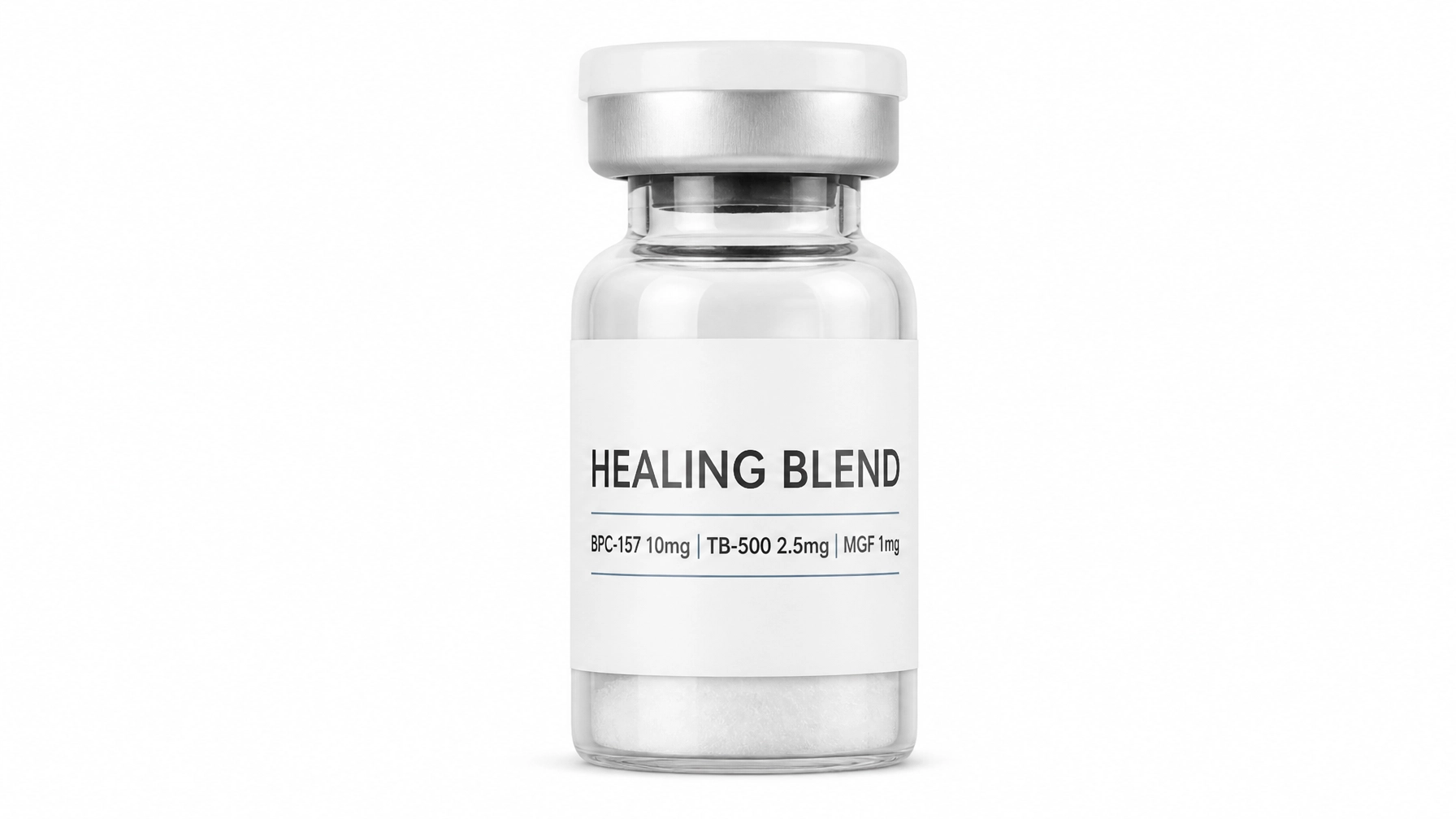
  • Healing Blend: BPC-157, TB-500 & MGF : Targeted Recovery for Injuries and Tissue Repair

    Healing Blend: BPC-157, TB-500 & MGF : Targeted Recovery for Injuries and Tissue Repair

    Injuries are the ultimate momentum killers. Whether you are dealing with a nagging tendon strain that won’t quit or a significant muscle tear that has sidelined your fitness goals, the frustration is the same. You feel like a high-performance vehicle stuck in the garage because of a broken part that the manufacturer can’t seem to replace fast enough.

    In traditional recovery, we often rely on rest, ice, and basic physical therapy. While these are foundational, they sometimes feel like waiting for a construction crew that is working with only half its tools. The Healing Blend: a precision-engineered combination of BPC-157 (Body Protection Compound 157), TB-500 (Thymosin Beta-4), and MGF (Mechano Growth Factor): is designed to provide that crew with every specialized tool they need.

    In this guide, you will learn how these three components work in synergy to bypass standard recovery bottlenecks and "unlock" your body’s latent ability to repair itself.

    The Anatomy of a Repair Site: A Construction Analogy

    Think of an injury site as a collapsed section of a bridge. To fix it, you don't just need raw materials; you need a coordinated effort.

    1. The Foreman (BPC-157): Needs to oversee the site, ensure blood flow (supply lines) is restored, and lay down the initial structural scaffolding (collagen).
    2. The Logistics Manager (TB-500): Needs to recruit workers from other areas of the body and make sure they can move easily through the debris to reach the damage.
    3. The Construction Crew (MGF): Needs to physically rebuild the heavy-duty components: the actual muscle fibers and tissues: that were lost.

    By combining these three into a single Healing Blend, you are essentially hiring the most elite reconstruction firm available to biology.


    Section 1: BPC-157 : The Site Foreman (10mg)

    BPC-157, or Body Protection Compound 157, is a pentadecapeptide composed of 15 amino acids. Consider this the "Master Repairman" of the blend. Its primary role is Angiogenesis: the formation of new blood vessels.

    The Problem: Many injuries, especially in tendons and ligaments (like your ACL or rotator cuff), heal slowly because they have poor blood supply. Without blood, there is no oxygen or nutrients to fuel the repair.

    The Solution: BPC-157 acts as the foreman who quickly rebuilds the supply lines. It triggers the growth of new vascular networks, allowing nutrients to flood the "construction site."

    • Focus on Collagen: It also stimulates the production of Type 1 collagen, which is the primary "glue" that holds your tendons and ligaments together.
    • Systemic Benefit: While it is often used for soft tissue, it is also researched for its ability to protect the gut lining and reduce systemic inflammation.

    You can explore more about standalone BPC and BPC blends here to see how this foundational molecule underpins modern recovery strategies.

    Biological Tissue Repair Process


    Section 2: TB-500 : The Logistics Manager (2.5mg)

    If BPC-157 builds the roads, TB-500 (a synthetic version of the naturally occurring protein Thymosin Beta-4) manages the traffic.

    The Problem: Even if you have blood flow, the cells responsible for healing (like fibroblasts and myoblasts) often struggle to move into the damaged area through the "rubble" of inflammation and scar tissue.

    The Solution: TB-500 is a master of Cell Migration. It upregulates Actin, a protein that forms the "muscles" of your cells, allowing them to crawl more effectively to where they are needed most.

    • Anti-Fibrotic Action: TB-500 helps prevent the excessive buildup of scar tissue (fibrosis). Think of scar tissue as a "quick fix" patch on a road: it’s bumpy and weak. TB-500 ensures the repair is smooth and functional.
    • Systemic Mobility: Unlike BPC-157, which often excels at localized "scaffold building," TB-500 is highly mobile, traveling through the body to identify and assist repair sites wherever they occur.

    Section 3: MGF : The Construction Crew (1mg)

    The final piece of the puzzle is MGF (Mechano Growth Factor). MGF is a splice variant of IGF-1 (Insulin-like Growth Factor 1) that is released specifically when muscle tissue is stretched or damaged.

    The Problem: When muscle fibers are torn, the body needs to "recruit" local stem cells (satellite cells) to transform into new muscle tissue. As we age or deal with chronic injury, this recruitment process slows down significantly.

    The Solution: MGF acts as the recruitment officer. It specifically triggers the activation and proliferation of satellite cells.

    • Hypertrophy and Repair: MGF doesn't just repair; it helps the muscle grow back stronger. It is the "heavy lifter" in this blend that focuses specifically on the myogenic (muscle-building) aspect of recovery.
    • The Blueprint: If BPC-157 provides the supply lines and TB-500 brings the workers, MGF provides the specific blueprints and instructions for creating new, high-quality muscle fibers.

    Section 4: The Synergistic "Wolverine" Effect

    When you combine BPC-157, TB-500, and MGF, you create what researchers and enthusiasts often call a "Multi-Pathway" repair protocol.

    The Tiered Strategy for Recovery

    Feature BPC-157 TB-500 MGF
    Primary Goal Blood vessels & Collagen Cell Migration & Flexibility Muscle Fiber Regeneration
    Metaphor The Foreman (Supply Lines) The Logistics (Worker Movement) The Crew (Heavy Rebuilding)
    Best For Tendons, Ligaments, Gut Inflammation, Mobility, Fascia Muscle Tears, Atrophy, Strength

    Synergy in Action:
    Imagine you have a torn hamstring.

    1. BPC-157 arrives first to reduce the initial swelling and start building the vascular supply lines.
    2. TB-500 follows, ensuring that repair cells don't get stuck in the inflammation and can move freely to the tear.
    3. MGF then kicks in to ensure that the new tissue being formed is actual muscle fiber, not just a weak scar-tissue "patch."

    This tiered approach is why the Healing Blend is often the choice for those who cannot afford downtime. You are not just masking pain; you are optimizing the biological "throughput" of your natural healing systems.

    Workstation with Healing Blend


    Section 5: Practical Guidance & Maintenance

    Take Control of Your Biology

    Using advanced tools requires an advanced mindset. Consider this a partnership with your healthcare provider. In the Australian context, navigating the landscape of alternative medicine requires a commitment to safety, legal compliance, and medical oversight.

    Focus on these steps:

    1. Diagnosis First: Never guess an injury. Use professional imaging (MRI/Ultrasound) to know exactly what is "broken" before you start the repair.
    2. Tiered Application: Start with the foundation. Ensure your nutrition and sleep are dialed in: no amount of "logistics management" from TB-500 can replace the "raw materials" of a high-protein diet.
    3. Patience: While this blend is designed to accelerate recovery, biological tissue repair still takes time. Think of it like a high-speed oven; it’s faster, but the "meal" still needs to cook through to be safe.

    Recommended Reading

    For a deeper dive into how to manage specific musculoskeletal issues, we highly recommend our Peptides for Injury Management: A Complete Guide. It provides a more granular look at timing and protocol integration.


    Video Resource: Understanding the Mechanisms

    (Placeholder: [VIDEO] – "How Peptides Accelerate Soft Tissue Repair – A Visual Guide")

    (Placeholder: [VIDEO] – "BPC-157 vs TB-500: Which One Does Your Injury Need?")


    Summary: The Path Forward

    The Healing Blend (BPC-157 10mg + TB-500 2.5mg + MGF 1mg) represents the pinnacle of targeted tissue recovery. By addressing the vascular, cellular, and myogenic pathways simultaneously, you are giving your body the best possible chance to return to peak performance.

    Don't settle for "slow and steady" if your body is capable of "fast and efficient."

    To view our full range of recovery-focused research products, visit the WLAustralia Shop or browse our complete product catalog.

    Peptide Vials Comparison

    Disclaimer: The information provided here is for educational and research purposes only. These products are not intended to diagnose, treat, cure, or prevent any disease. Always consult with a qualified medical professional before beginning any new health protocol, especially in the context of Australian TGA regulations.